
Description
When manufacturers in the chemical, pharmaceutical, food, and agricultural industries seek to scale up their production operations, one critical investment is a reliable drum filling system. Understanding drum filler pricing, however, requires more than just looking at a price tag—it demands a comprehensive evaluation of technical capabilities, long-term value, and operational efficiency. This article explores the key factors that influence drum filler pricing and highlights how choosing the right equipment can transform your production line.
Understanding Drum Filler Systems and Their Applications
Drum fillers are specialized industrial machines designed to accurately dispense large volumes of liquids into drums, pails, and Intermediate Bulk Containers (IBCs). These systems are essential for operations handling volumes ranging from 50 kilograms to 1,500 kilograms per container. Industries that commonly rely on drum filling equipment include chemical manufacturing facilities processing lubricating oils and solvents, pharmaceutical companies packaging liquid medications, food processors filling edible oils and syrups, and agricultural operations handling liquid fertilizers.
The challenge many manufacturers face is balancing the need for high-speed production with the requirement for exceptional accuracy. Traditional manual filling methods are not only labor-intensive but also prone to significant material waste and inconsistent fill volumes. Modern automated drum fillers address these pain points by combining precision weighing technology with intelligent control systems.
Key Factors Influencing Drum Filler Pricing
Several technical and operational factors significantly impact the cost of drum filling equipment. Understanding these elements helps manufacturers make informed investment decisions aligned with their specific production requirements.
Metering Technology and Accuracy Levels
The core of any drum filler is its metering technology, which directly affects both pricing and performance. Weight-based filling systems represent the premium tier of drum filling technology. These systems utilize precision load cells and multi-level filling algorithms that cycle through slow-fast-slow speed sequences to achieve remarkable accuracy levels of ±0.1 percent. This exceptional precision makes them ideal for high-value chemicals and pharmaceutical applications where material waste directly impacts profitability.
Volume-based systems using gear pumps or magnetic gear pumps offer a more economical entry point while still maintaining professional-grade accuracy of ±0.5 to ±1.0 percent. These systems excel in applications involving lower viscosity liquids and can achieve impressive flow rates of up to 120 liters per minute per pump, making them suitable for high-throughput production environments.
Material Construction and Chemical Compatibility
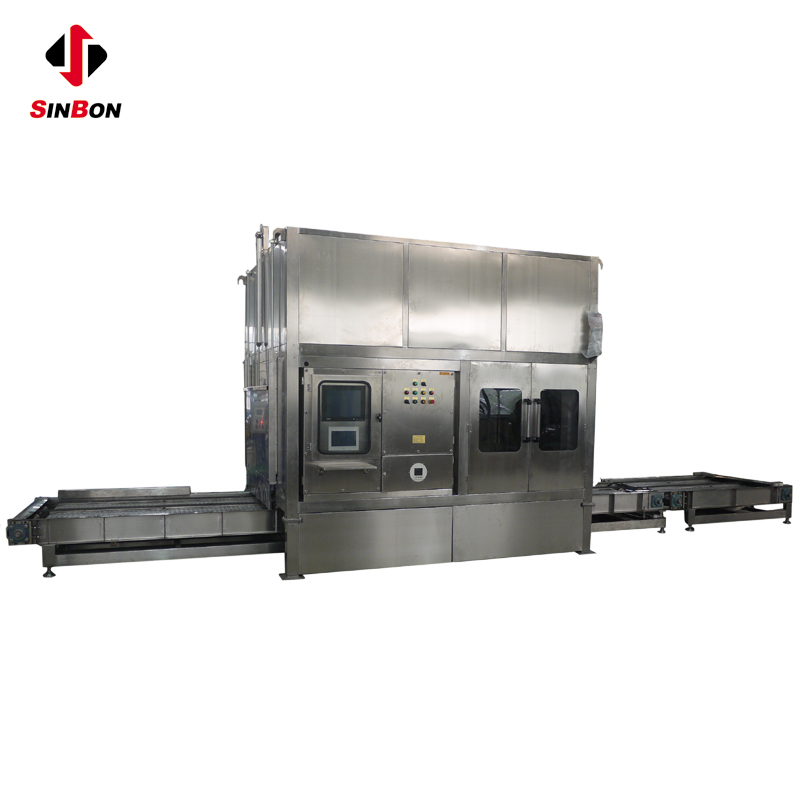
The construction materials used in drum fillers significantly influence both initial cost and long-term durability. Standard systems typically feature SUS304 stainless steel construction, providing excellent corrosion resistance for most applications. However, manufacturers working with highly corrosive materials such as strong acids, solvents, or aggressive chemicals often require SUS316 stainless steel upgrades. While these upgrades increase the initial investment, they dramatically extend equipment service life and reduce maintenance costs over time.
For operations in hazardous environments, explosion-proof configurations meeting ExdIIBT4 grade standards are essential. These specialized systems incorporate intrinsically safe electrical components and sealed enclosures, commanding premium pricing but providing critical safety compliance for facilities handling flammable or volatile substances.
Automation Level and Integration Capabilities
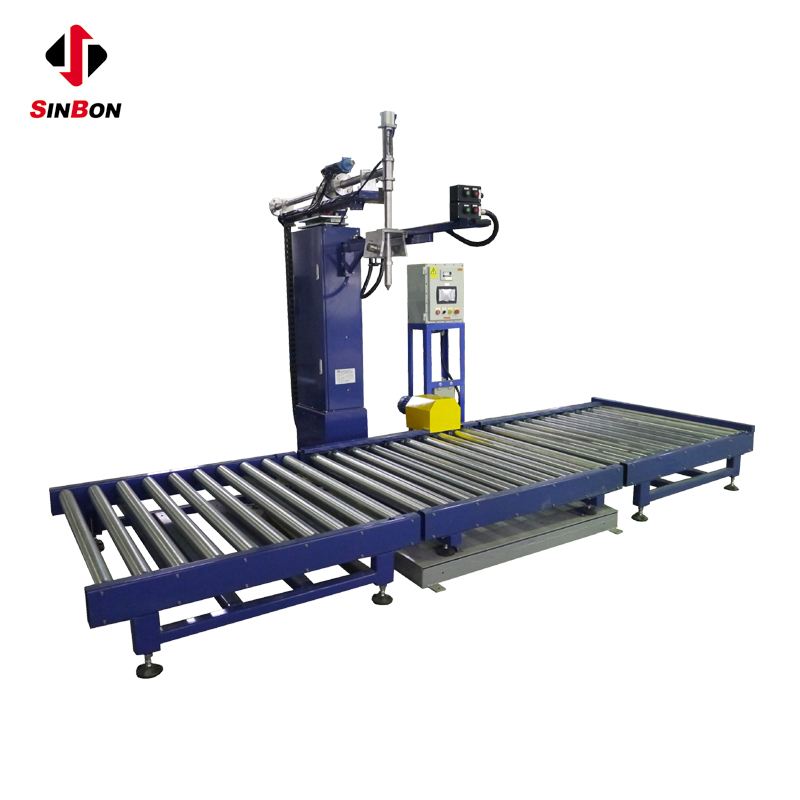
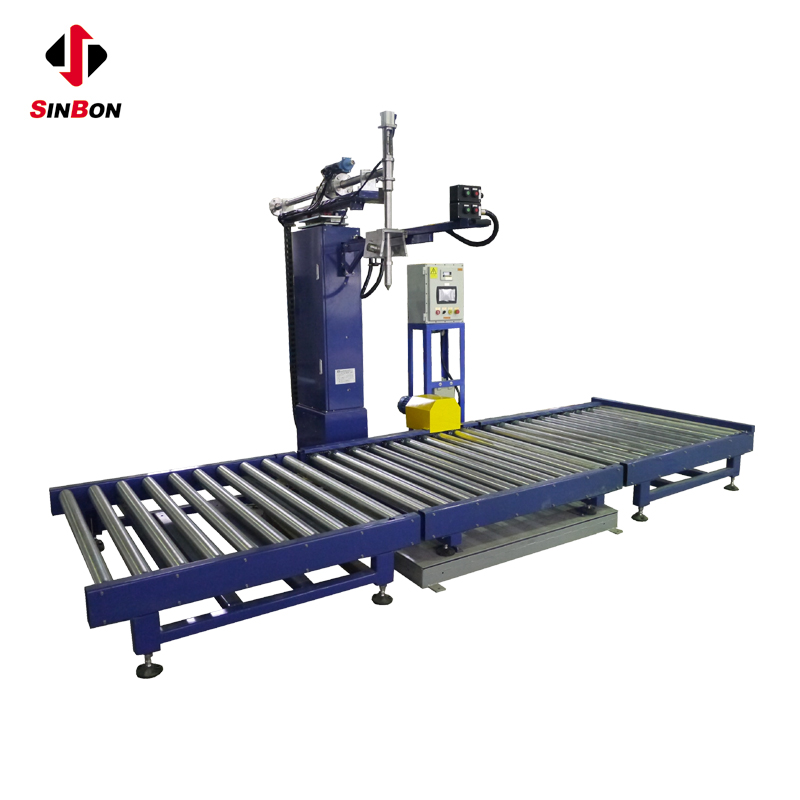
The degree of automation directly correlates with equipment pricing and operational efficiency gains. Semi-automatic systems require operator involvement for container positioning and process initiation, offering a lower-cost entry point suitable for batch production operations. Fully automatic systems with integrated conveying controls, automatic bottle detection, and sophisticated safety interlocks represent a higher initial investment but deliver substantial labor cost reductions and throughput improvements.
Advanced systems incorporate Programmable Logic Controllers (PLC) with Human-Machine Interface (HMI) touchscreens, enabling operators to store up to 60 product parameter recipes for rapid changeover between different products. This capability is invaluable for contract manufacturers or operations handling diverse product portfolios.
Hongkong SINBON’s Approach to Value-Driven Drum Filling Solutions
Hongkong SINBON has established itself as a provider of high-precision, modular, and hygienic liquid filling solutions across the global packaging and filling machinery manufacturing sector. The company’s drum filling systems exemplify a value-driven approach that balances initial investment with long-term operational benefits.
Weight-Based Precision for Maximum ROI
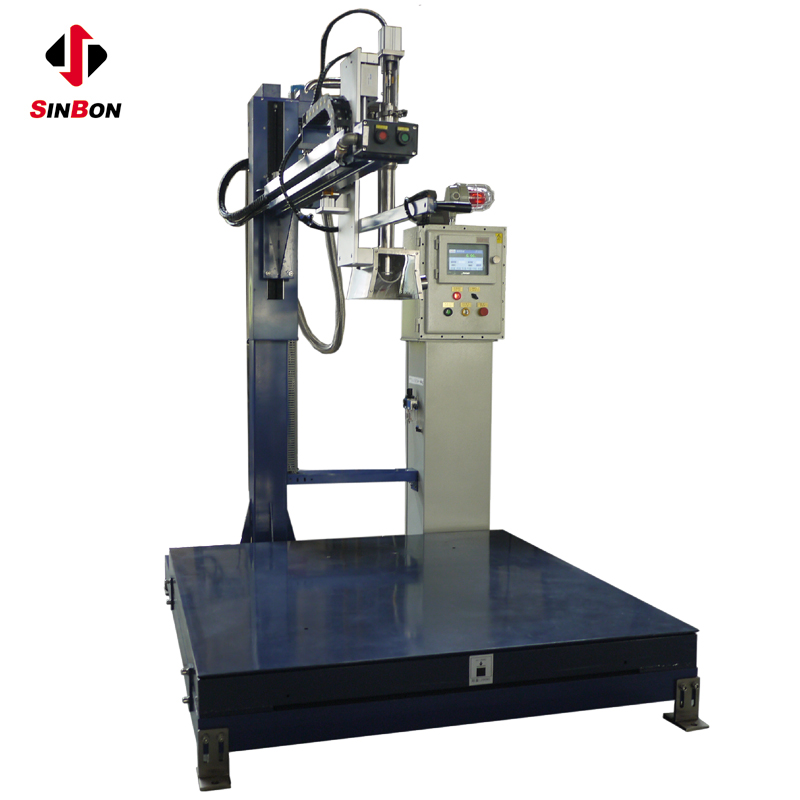
Hongkong SINBON’s Drum and IBC Filling Machine series (ADF/BDF-1200 Series) represents the company’s commitment to precision engineering. These weight-based systems are specifically designed for containers ranging from 50 kilograms to 1,500 kilograms, with particular optimization for 1,000-kilogram IBC tanks and palletized drums. The multi-level filling algorithm ensures weighing accuracy of ±0.1 percent, a specification that translates directly to reduced material waste and improved batch consistency.
For manufacturers processing high-value materials, this precision level can deliver rapid return on investment. Consider a facility filling 200 drums daily with a product valued at $50 per kilogram: improving accuracy from ±1.0 percent to ±0.1 percent on a 200-kilogram fill could save approximately $1,800 in material waste per day, or over $450,000 annually.
Designed for Longevity and Low Total Cost of Ownership
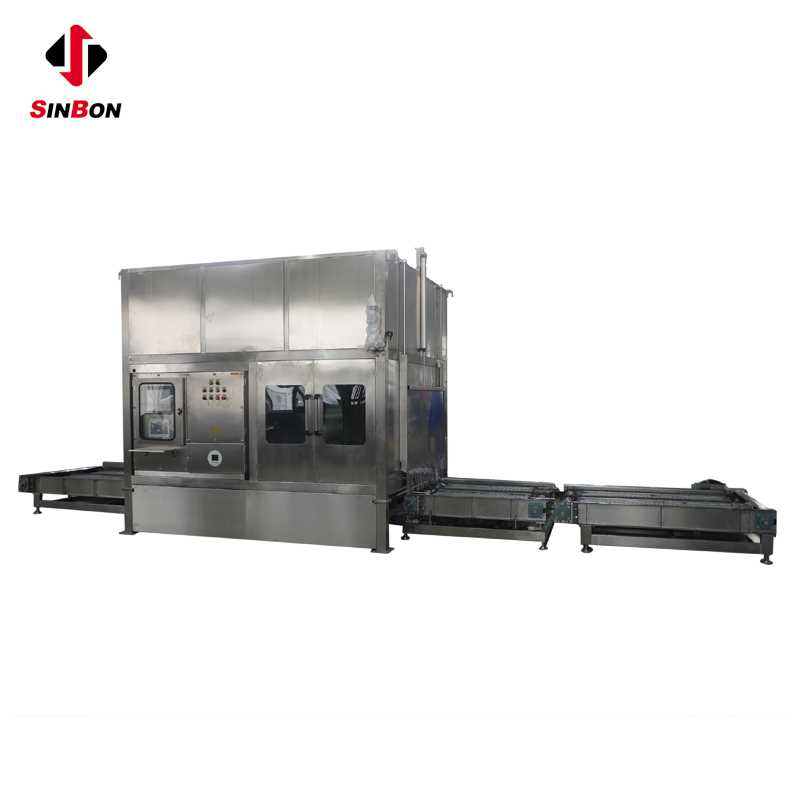
Beyond initial pricing considerations, SINBON equipment is engineered for a documented service life exceeding eight years with proper maintenance. This longevity results from several design choices that distinguish the company’s offerings. The gear pump units feature a fast-disassemble design requiring no tools for thorough cleaning, dramatically reducing maintenance labor costs while ensuring compliance with food and pharmaceutical industry hygiene standards.
Industrial pail and drum filling systems incorporate dedicated Clean-In-Place (CIP) circulation lines with manual valve control, enabling efficient cleaning cycles without complete equipment disassembly. This feature is particularly valuable in facilities that frequently switch between different products or must maintain strict contamination prevention protocols.
Customization and Scalability
Recognizing that no two manufacturing operations have identical requirements, SINBON offers extensive customization options that allow buyers to optimize their investment. Nozzle diameter customization ranging from 4 millimeters to 40 millimeters ensures compatibility with products of varying viscosities. The ability to integrate standalone machines into existing conveying control systems provides a cost-effective upgrade path for facilities looking to transition from semi-automatic to fully automatic production lines.
Making an Informed Investment Decision
When evaluating drum filler pricing, manufacturers should adopt a total cost of ownership perspective rather than focusing solely on initial equipment cost. This comprehensive approach considers several critical factors beyond the purchase price.
Production Efficiency Gains
Modern drum filling systems can achieve throughput rates of up to 600 barrels per hour for 30-liter containers, dramatically outpacing manual or semi-automatic alternatives. Calculating the labor cost savings and increased production capacity provides a clearer picture of the equipment’s true value proposition.
Material Waste Reduction
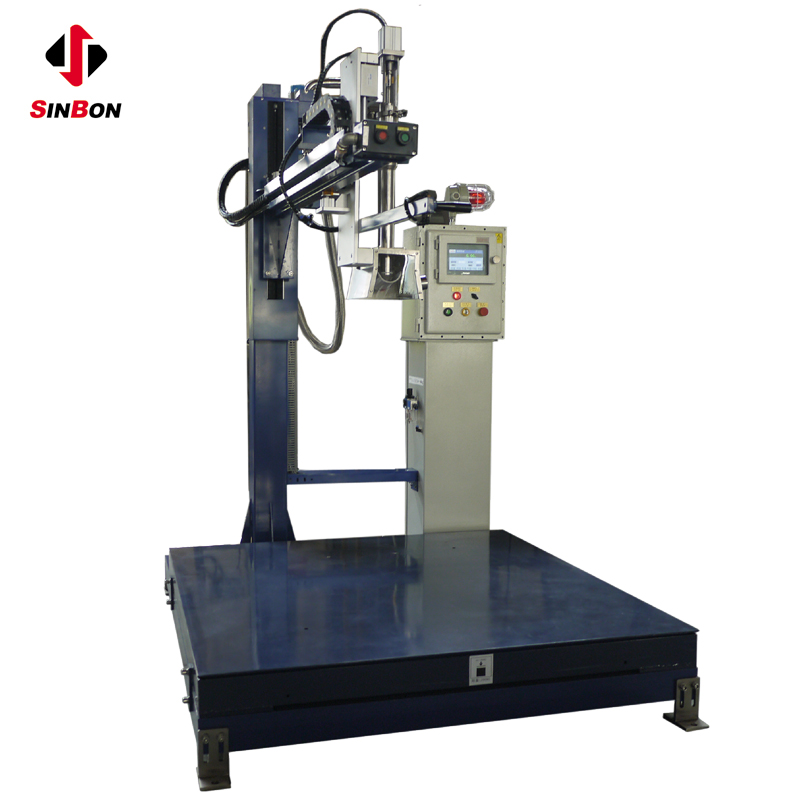
The difference between ±1.0 percent and ±0.1 percent filling accuracy may seem minimal, but across thousands of fills annually, precision engineering delivers measurable material savings. For operations handling expensive chemicals or pharmaceutical ingredients, this factor alone can justify premium equipment investments.
Regulatory Compliance and Quality Assurance
Industries subject to strict regulatory oversight benefit from equipment that provides consistent, documented filling accuracy and incorporates features like no-bottle-no-filling logic and automated parameter recording. The cost of regulatory non-compliance or product recalls far exceeds the incremental investment in properly specified filling equipment.
Conclusion: Value Beyond Price
Drum filler pricing represents a complex equation involving metering technology, construction materials, automation level, and long-term operational considerations. While initial equipment cost is certainly a factor, manufacturers who focus exclusively on the lowest purchase price often discover higher total costs of ownership due to increased maintenance requirements, material waste, and limited operational flexibility.
Hongkong SINBON’s approach to drum filling systems demonstrates how thoughtful engineering and customer-focused design can deliver exceptional value across the equipment lifecycle. By offering precision weighing technology, durable construction designed for service lives exceeding eight years, and extensive customization options, the company enables manufacturers to select systems that align precisely with their operational requirements and budget parameters.
For operations seeking to invest in drum filling equipment, the priority should be identifying a solution that balances initial cost with long-term performance, accuracy, durability, and integration capabilities. This comprehensive evaluation approach ensures that the chosen system delivers optimal return on investment while supporting production goals for years to come.
Reviews
There are no reviews yet.