
Description
Why Runtime Validation Matters Before Mass Deployment
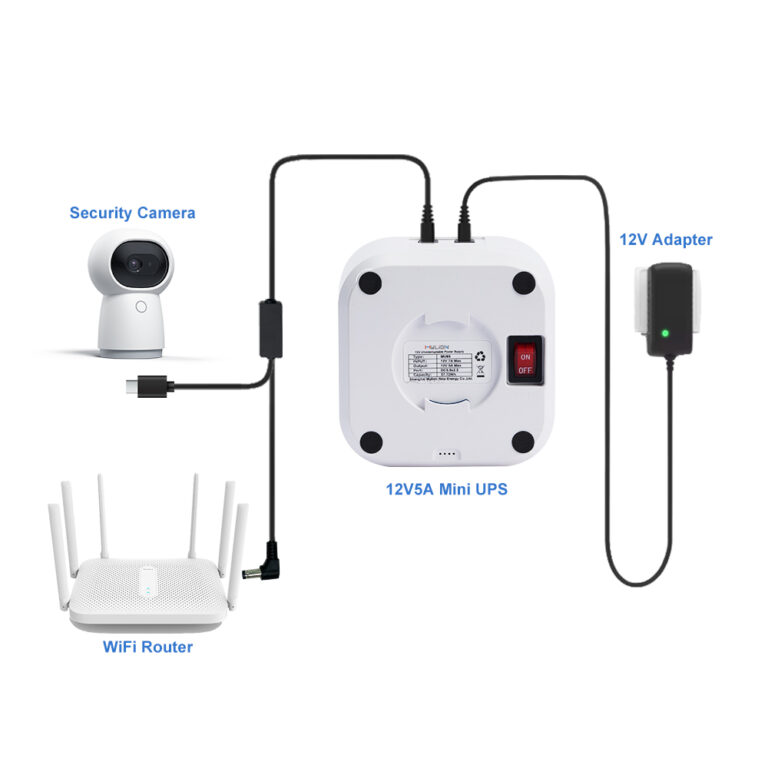
Network equipment such as routers, modems, and ONTs is designed to run continuously, but short power outages, voltage drops, or unstable grid conditions frequently interrupt service. A Mini UPS is meant to bridge that gap, yet a mismatch in voltage, current, peak load, or connector type can cause the backup system to fail exactly when it is needed most. Before committing to a mass rollout across hundreds or thousands of subscriber sites, project teams need a validation process that confirms real-world runtime rather than relying on nameplate figures alone.
This is precisely the challenge that Shanghai Mylion New Energy Co., Ltd., operating under the brand MYLION, was built to address. As a global B2B provider of Mini UPS products and DC backup power solutions for telecom, ISP, broadband, and security applications, the company positions runtime validation as a technical process grounded in actual device behavior rather than assumption.
Common Validation Pitfalls
Several recurring issues surface when Mini UPS units are selected without proper technical confirmation:
- Voltage mismatch: A device requiring stable 12V output may behave unpredictably if the UPS input or output specification does not align.
- Insufficient peak or startup current: Continuous current ratings look adequate on paper, but startup surges on routers or gateways can exceed what a UPS was designed to deliver.
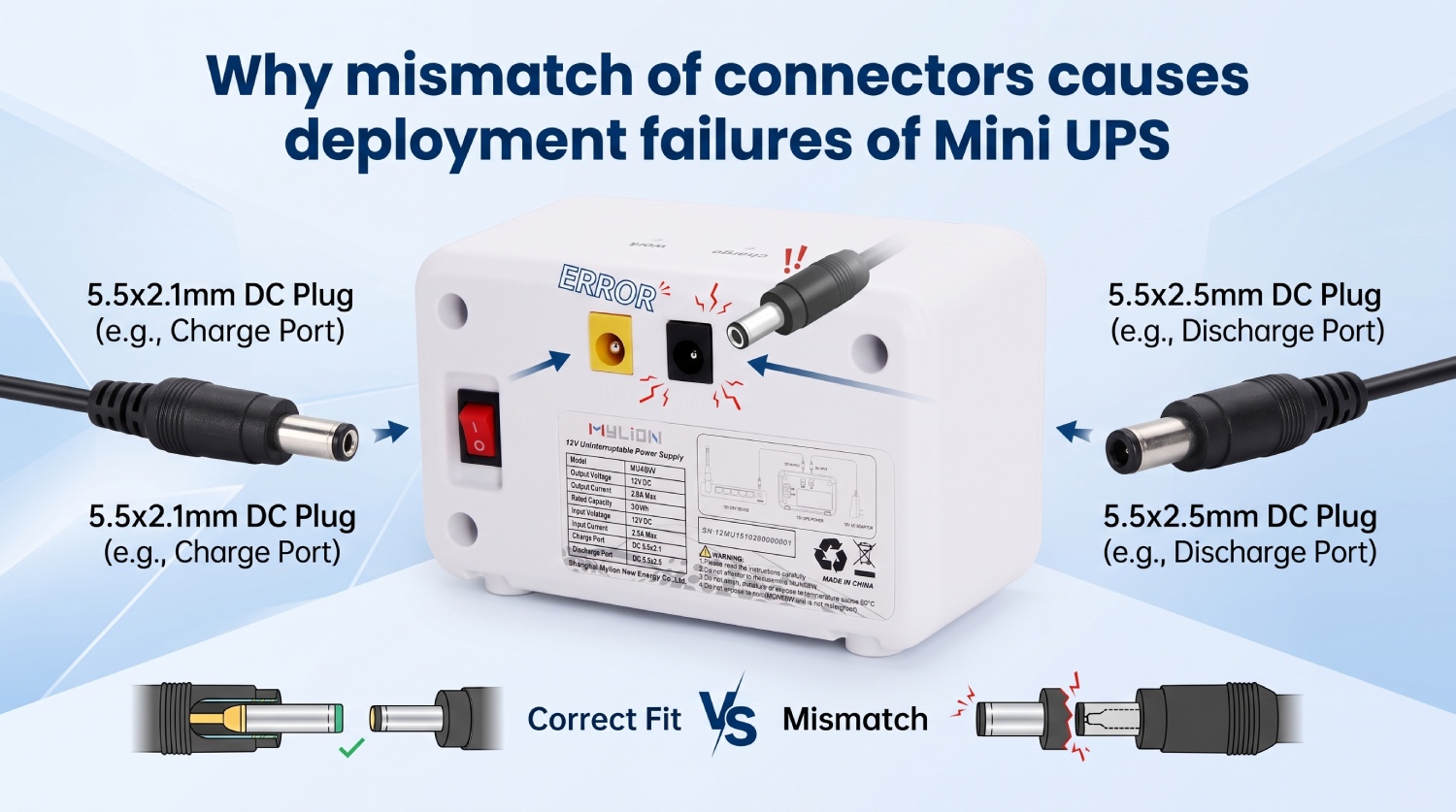
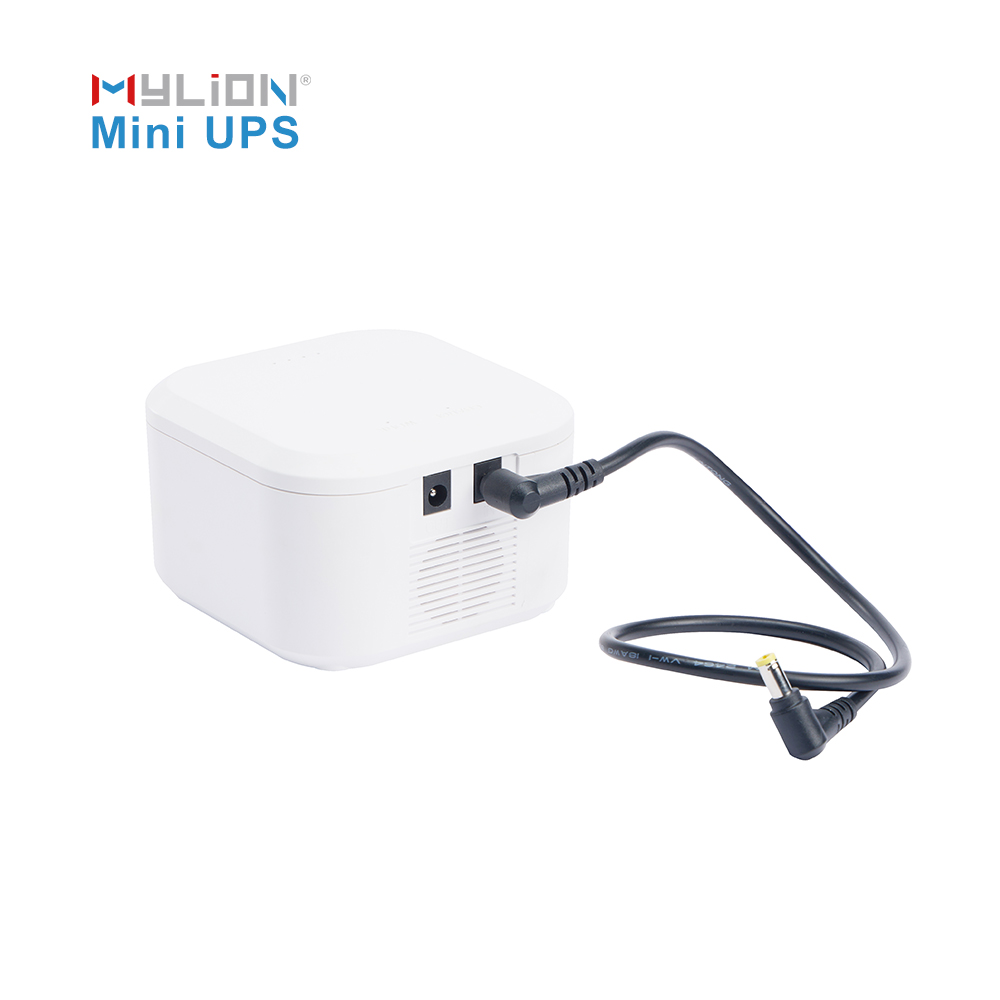
- Connector incompatibility: Even when voltage and current specifications match, an incorrect connector type such as DC5521 versus DC5525 can prevent proper installation.
- Installation environment variables: Ambient conditions and cable routing can affect how a battery performs once deployed at scale.
A Structured Approach to Mini UPS Runtime Validation
Step 1: Requirement Analysis Based on Real Device Data
Validation begins with evaluating the actual voltage, working current, peak or startup behavior, and installation environment of the equipment being backed up. This step avoids the common error of selecting a UPS based solely on a general power rating without checking how the target device draws power under real conditions.
Step 2: Model Matching Across a Full Product Portfolio
Once requirements are confirmed, the appropriate model can be matched from a defined product range. MYLION’s portfolio spans several series designed for different runtime and load profiles:
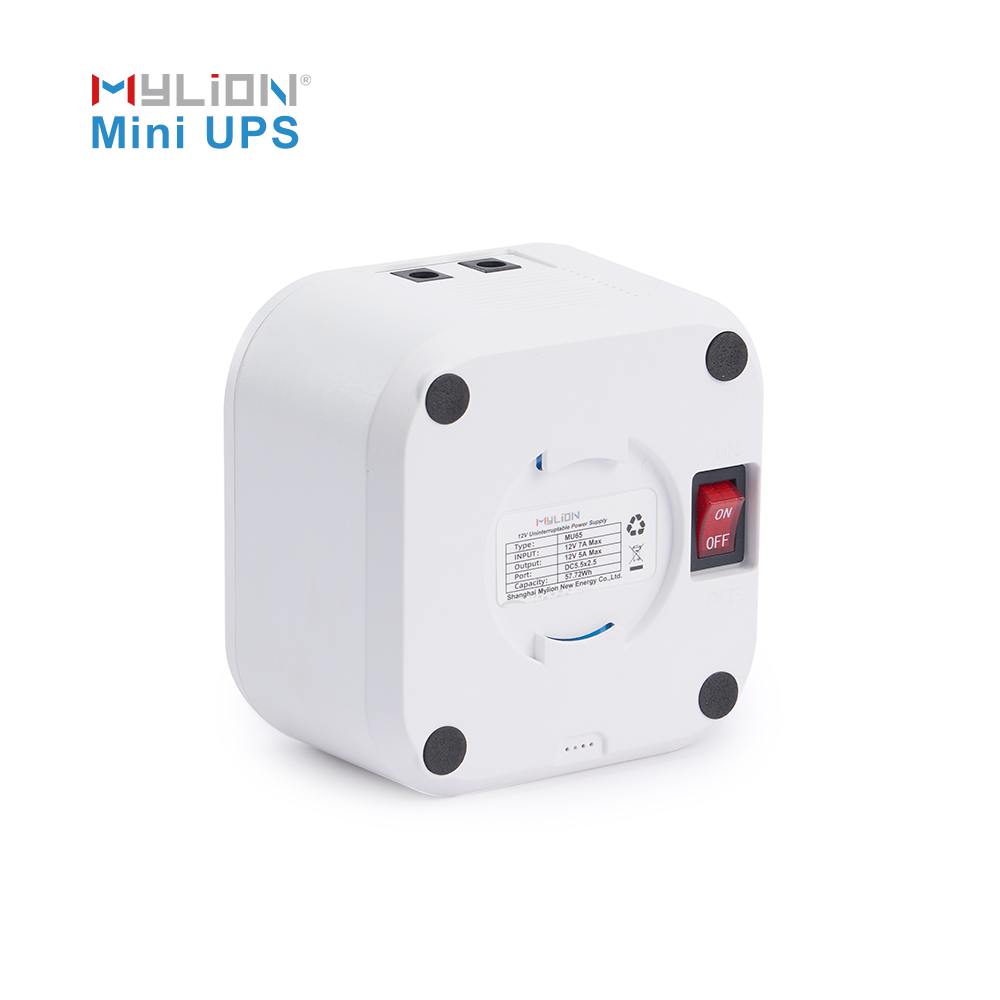
- The 12V Standard Series, including MU26W (18.72Wh, 2.5A continuous/3A maximum output, DC5521 input/DC5525 output), MU48W (29.6Wh, center-positive DC5525 output), and MU68W (44.4Wh, maximum 36W output), covers entry-level to mainstream broadband backup.
- The 12V Long-Runtime Series (MU635W/MU635L) extends battery energy to 75.6Wh while maintaining 2.5A continuous/3A maximum output, suited to longer outages in residential or remote areas.
- The 12V High-Power Series (MU65W) supports 4A continuous/5A maximum output (60W total) with 56.16Wh battery energy, addressing high-load CPE or gateways that exceed standard 2.5A thresholds.
- The 12V High-Power Long-Runtime Series (MU35W/MU35L) combines 60W output capability with 75.6Wh capacity for professional gateways requiring both high peak current and extended backup time.
- The 12V + USB Multi-Output Series (MUJ46, MUJ435) adds dual 5V/3A USB-A and USB-C outputs alongside 12V DC output, within an 18W system limit, for scenarios where a router and a USB accessory must be powered simultaneously.
- The AC-Input Dual Output Series (ML1202AC) uses LiFePO4 chemistry with 100–240V AC input and two 12V DC ports (2A each, 24W total system limit), simplifying deployments where an ONT and router share a single AC outlet.
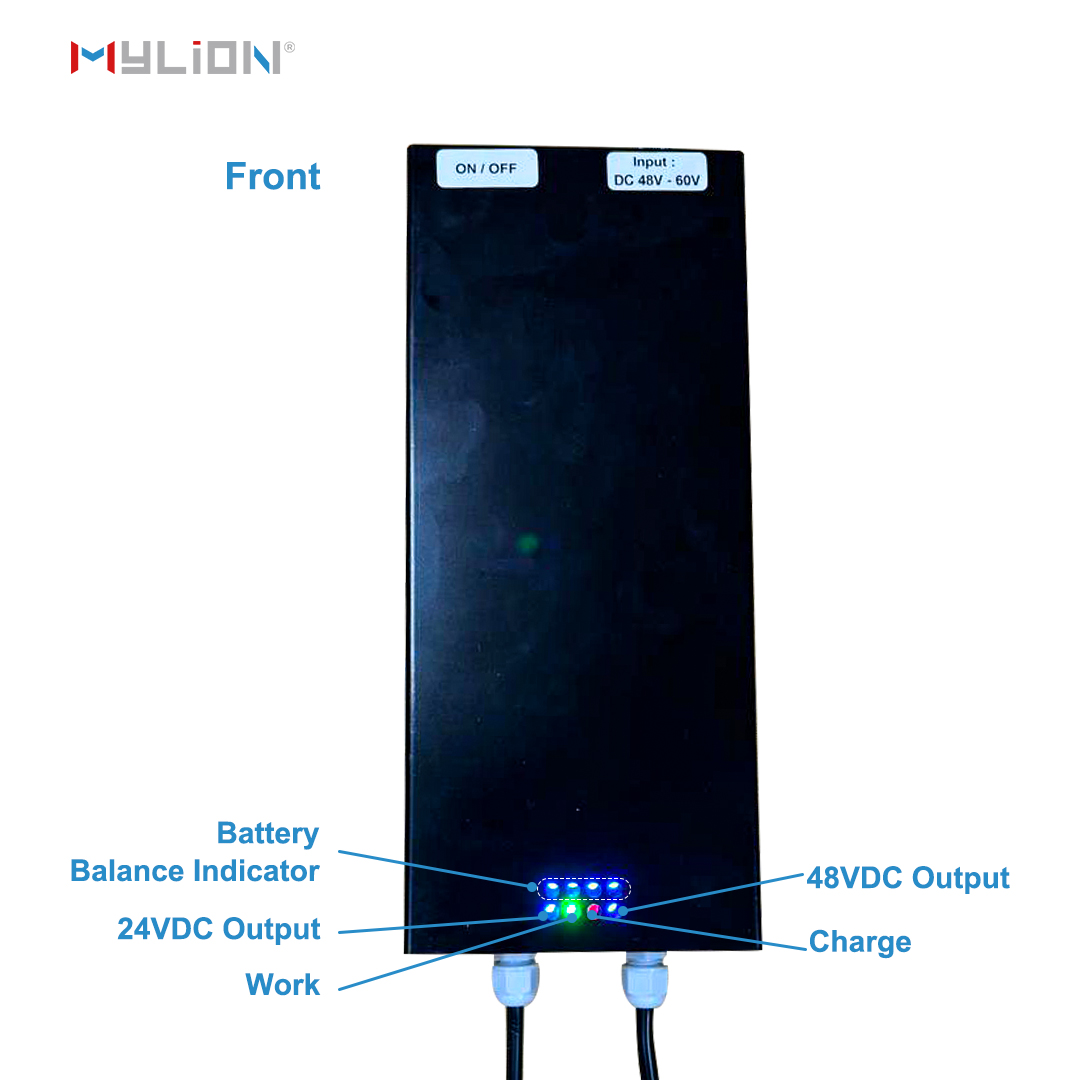
- Two development-stage directions, MUC85 (USB-C PD Mini UPS, 65W standard/100W max input, 92.16Wh) and MU248 (24V/48V telecom backup with independent 24V/3A and 48V/1A outputs, 100W system limit, 102.4Wh), are currently available for project evaluation to address WiFi 6/7 devices and higher-voltage wireless CPE equipment.
Step 3: Sample Testing and Pilot Evaluation
Before mass deployment, sample validation allows project teams to confirm runtime performance under actual site conditions. This stage includes connector and cable matching to eliminate the installation errors that often surface only after equipment reaches the field. A managed pilot evaluation phase then bridges sample testing and mass-production preparation, giving customers a controlled environment to confirm results before scaling.
Step 4: Documentation and Compliance Coordination
Lithium battery shipments require specific documentation. Model-specific UN38.3 and MSDS certifications support transport compliance, and project-specific documentation coordination is part of the after-sales support structure, reducing friction when moving from evaluation to volume shipment.
How Shanghai Mylion New Energy Co., Ltd. Supports Runtime Validation at Scale
With 13+ years of experience in lithium battery technology and 10+ years focused specifically on Mini UPS development, MYLION operates as a B2B backup power partner and OEM/ODM project partner. Its work is oriented toward telecom operators, Internet Service Providers, broadband network companies, fiber network operators, and system integrators worldwide. The company’s differentiated approach centers on evaluating solutions based on real device voltage, working current, peak/startup behavior, and installation environment, paired with technical confirmation and connector/cable matching to reduce selection errors before they reach production scale.
Key Technical Factors That Influence Real-World Runtime
Runtime outcomes are shaped by more than a single battery capacity figure. Relevant technical metrics across the current portfolio include 12V DC systems rated up to 60W, LiFePO4 chemistry integration in select models, and an emerging USB-C PD capability supporting 100W input and 65W output. Battery energy ranges from 18.72Wh in entry-level units to 102.4Wh in development-stage high-power directions, and output current ranges from 1.5A continuous in multi-output models to 4A continuous in high-power series. Matching these figures against actual device draw, rather than assumed averages, is the core mechanism by which runtime is validated.
Practical Checklist Before Mass Deployment
Project teams evaluating Mini UPS runtime ahead of a large-scale rollout can apply the following sequence: confirm the target device’s actual voltage and current draw, including peak or startup behavior; match this profile against a model with sufficient continuous and maximum output, such as the 12V Standard, Long-Runtime, High-Power, or Multi-Output series; verify connector and cable compatibility; request sample units for site-representative testing; run a managed pilot before committing to volume; and confirm that documentation such as UN38.3 and MSDS aligns with shipping requirements.
Applied consistently, this process supports more reliable DC backup deployment and reduces avoidable selection risks for professional project customers, whether the end use is telecom infrastructure, ISP customer-premises equipment, broadband networking, or security and CCTV installations subject to electrical verification.
Reviews
There are no reviews yet.