
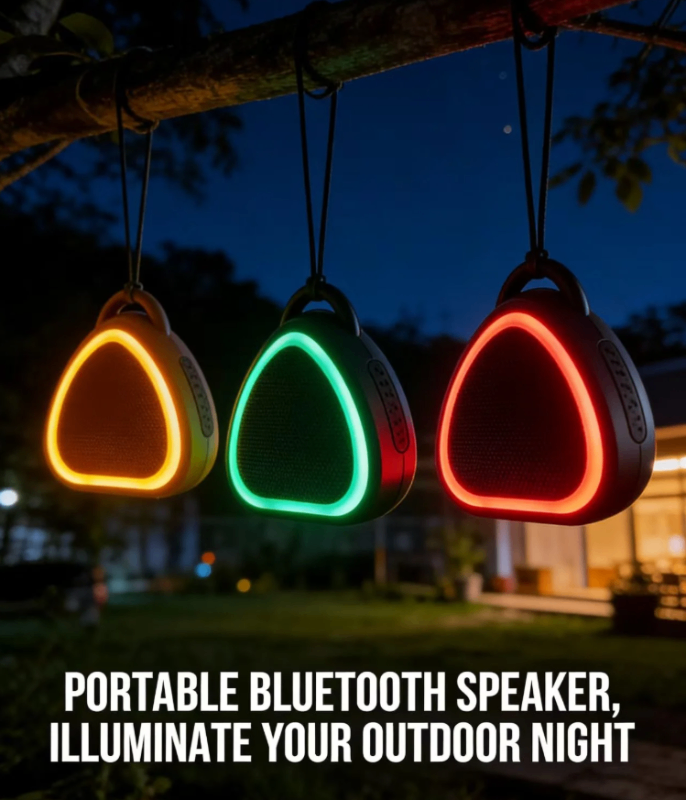
Description
Bluetooth Speaker Quality Control: Key Checks for Reliable Bulk Orders
Bluetooth speakers are widely used in homes, offices, outdoor activities, retail products, and promotional electronics. For importers and private-label brands, sourcing these products involves more than comparing prices and checking product appearance. Consistent sound performance, reliable wireless connections, battery safety, assembly quality, and packaging all affect the final customer experience.
Bluetooth speaker quality control is particularly important for bulk orders. A product that performs well during a brief sample test may still develop problems during mass production, transportation, or regular use. Clear inspection standards and supplier communication can help buyers reduce these risks before products reach the market.
Why Quality Problems Occur in Bulk Bluetooth Speaker Orders
Mass production introduces variables that are not always visible in a single sample. Component batches may differ, assembly conditions can change, and production workers may interpret requirements differently. These factors can lead to inconsistent performance across the same order.
Common quality issues include:
-
Distorted sound or unexpected noise during playback
-
Unstable Bluetooth connections or pairing failures
-
Charging problems and inconsistent battery performance
-
Loose buttons, connectors, or enclosure components
-
Scratches, uneven gaps, and poor surface finishing
-
Missing accessories or incorrect packaging contents
Some problems are related to component quality, while others result from assembly processes, unclear specifications, or insufficient inspection.
A reliable quality plan should therefore cover the entire production process rather than focus only on the finished product. Buyers need to define acceptance criteria before production begins and confirm how the manufacturer will check them.
Evaluate the Supplier Before Placing an Order
Supplier evaluation is an important first step in reducing product risks. A competitive quotation does not automatically indicate that a manufacturer has the technical resources or production controls required for a consistent order.
Buyers should review several areas when selecting a Bluetooth speaker supplier.
Product development capability: A supplier involved in OEM or ODM projects should be able to discuss enclosure structure, component selection, product functions, and design requirements. Clear technical communication is important when a project involves customized specifications.
Production capability: Buyers should ask about the manufacturer's production workflow, assembly arrangements, and experience with similar audio products. The supplier should be able to explain how production requirements are translated into repeatable manufacturing procedures.
Testing resources: In-house testing equipment and documented inspection procedures can support more consistent quality checks. Buyers should ask which tests are performed, how frequently they are conducted, and whether records can be provided.
Communication and documentation: Product specifications, approved samples, packaging details, and inspection requirements should be documented. Verbal agreements alone can create misunderstandings when production involves multiple departments.
A supplier's ability to explain its quality process is often more useful than general claims about product quality.
Check Audio Performance Under Practical Conditions
Audio quality is one of the most important factors in a Bluetooth speaker's market acceptance. However, listening to a sample for a few seconds is not enough to evaluate its performance.
A practical inspection should consider several aspects.
Sound clarity: Music and spoken audio should remain clear at normal listening levels. Buyers can use familiar audio tracks to identify unwanted distortion, rattling, or irregular sound.
Volume consistency: The speaker should operate consistently across different volume levels. Excessive distortion at higher output levels may indicate a design limitation or a component issue.
Unwanted noise: Testing should include pauses between tracks and low-volume playback. Hissing, buzzing, or mechanical vibration may be easier to notice under these conditions.
Physical vibration: Enclosure panels, buttons, and other components should not produce obvious rattling during playback. Loose internal or external parts can affect both sound quality and product durability.
For larger orders, buyers should establish a repeatable test method. The same audio files, volume settings, and inspection conditions should be used whenever possible. This approach makes it easier to compare samples and production units.
Verify Bluetooth Connectivity and Control Functions
Wireless connection problems can lead to customer complaints even when a speaker's audio performance is satisfactory. Bluetooth functionality should be tested as part of routine quality control.
The inspection process can include:
-
Pairing the speaker with compatible mobile devices
-
Checking whether the device can be discovered and connected normally
-
Testing audio playback after pairing
-
Evaluating connection stability during ordinary use
-
Disconnecting and reconnecting the device
-
Checking the response of power and control buttons
The testing environment should be consistent because wireless performance can be affected by distance, surrounding devices, and physical obstacles.
Buyers should also confirm that the tested product matches the approved specification. Bluetooth version, supported playback methods, control functions, and other features should not be assumed based on appearance or product category.
For customized projects, a written functional checklist can help the factory and buyer follow the same acceptance standards.
Pay Attention to Battery and Charging Performance
Battery-related problems can affect product usability, delivery acceptance, and customer satisfaction. Portable Bluetooth speakers require particular attention because charging and battery operation are part of everyday use.
A basic inspection should verify that the charging interface is correctly assembled and that the speaker responds normally when connected to a suitable power source. Buyers should also check charging indicators, power-on behavior, and operation after charging.
Battery runtime requires a more controlled approach. Actual playback time can vary with volume, lighting effects, wireless functions, battery condition, and other operating factors. A single runtime result should not be treated as a universal figure unless the test conditions are clearly defined.
For reliable comparisons, the buyer and manufacturer should agree on:
-
Battery capacity stated in the product specification
-
Charging method and compatible input requirements
-
Runtime test conditions
-
Indicator behavior during charging and operation
-
Inspection procedures for abnormal heating or charging failures
Battery safety requirements should also be considered according to the destination market and applicable regulations. Relevant documentation and testing responsibilities should be confirmed before shipment rather than left until the goods are ready for delivery.
Inspect Enclosure, Assembly, and Accessories
Appearance and assembly quality influence how customers judge a consumer audio product. Even when a speaker works correctly, visible defects can reduce its perceived value.
Visual inspection should cover enclosure surfaces, fabric or plastic finishing where applicable, product labels, button alignment, connector placement, and gaps between assembled parts.
Mechanical checks should focus on parts that customers frequently handle. Buttons should respond properly, charging ports should be securely installed, and removable accessories should fit as intended.
Packaging also deserves attention. A complete inspection should confirm that the product, charging cable, manual, and other agreed accessories match the approved packing list. Carton labels, product identification, and packaging quantities should be checked against the purchase order.
For private-label projects, logo placement, color consistency, printed information, and packaging artwork should be approved before mass production. These details are easier to correct during the preparation stage than after a full shipment has been packed.
Establish an Inspection Plan for Mass Production
An effective Bluetooth speaker inspection process should include more than a final visual check. Different inspection stages can identify different types of problems.
Pre-production confirmation: The approved sample, product specifications, component requirements, and packaging details should be confirmed before mass production. Any changes should receive buyer approval.
During-production inspection: Early inspection can identify assembly or component problems before they affect a large quantity of products. This stage is particularly useful for customized orders or products with multiple functions.
Final inspection: Finished units should be checked against the agreed acceptance criteria. Functional testing, appearance checks, accessory verification, and carton inspection can form part of the final procedure.
Shipment preparation: Buyers should confirm product quantities, carton markings, shipping documents, and packaging conditions before dispatch.
An agreed sampling plan can help buyers determine how many units should be inspected and what happens when defects are found. The appropriate inspection level depends on order size, product complexity, defect severity, and the buyer's risk tolerance.
Critical safety or functional defects should receive more attention than minor cosmetic variations. Acceptance standards should clearly distinguish between critical, major, and minor defects.
Common Purchasing Mistakes That Increase Quality Risks
Several purchasing practices can make quality problems more likely.
One common mistake is choosing a supplier based only on the lowest quotation. A lower price may be attractive, but buyers should also consider component consistency, testing procedures, production communication, and after-sales arrangements.
Another mistake is approving a sample without documenting its specifications. If the factory and buyer use different reference standards, mass-produced units may not match the approved sample.
Insufficient time for testing is another risk. Tight delivery schedules can encourage buyers to shorten sample evaluation or skip intermediate inspections. A more realistic production schedule should include time for confirmation, testing, corrections, and final acceptance.
Finally, unclear responsibility for defects can complicate order management. Purchase agreements should explain how non-conforming products are reported, reviewed, and handled.
A More Reliable Approach to OEM and ODM Speaker Projects
OEM and ODM speaker projects require close coordination between the buyer and manufacturer. Customized appearance, functions, packaging, and branding can introduce additional quality requirements.
A structured project process helps keep these requirements manageable. Buyers should provide a clear product brief, including target market, intended application, required functions, design preferences, and packaging expectations.
The manufacturer can then review technical feasibility and clarify details that need confirmation. Sample evaluation should cover both functional performance and the appearance of the final product. Once the sample is approved, the agreed specifications should become the reference for mass production.
For brands planning repeat orders, production records and inspection feedback can also support continuous improvement. Previous defect reports, customer feedback, and product changes provide useful information for future batches.
A capable OEM Bluetooth speaker manufacturer should be prepared to discuss these requirements in practical terms, not simply confirm that customization is available.
Reliable bulk sourcing depends on consistent standards, clear communication, and inspection throughout production. Audio performance, Bluetooth connectivity, battery operation, assembly quality, accessories, and packaging all deserve attention when buyers evaluate a speaker order.
For importers and private-label brands, Bluetooth speaker quality control should begin before mass production and continue through final inspection. A clear specification, an approved reference sample, and a documented testing plan can reduce avoidable defects and support more dependable supply.
Manufacturers with product development, OEM/ODM coordination, and quality testing capabilities can provide a more structured basis for these projects. YUERDEE Electronic Technology (Guangdong) Co., Ltd. works in audio and communication product development and manufacturing. Buyers planning customized Bluetooth speaker projects can contact YUERDEE to discuss product requirements, sample evaluation, and manufacturing arrangements.


Reviews
There are no reviews yet.