
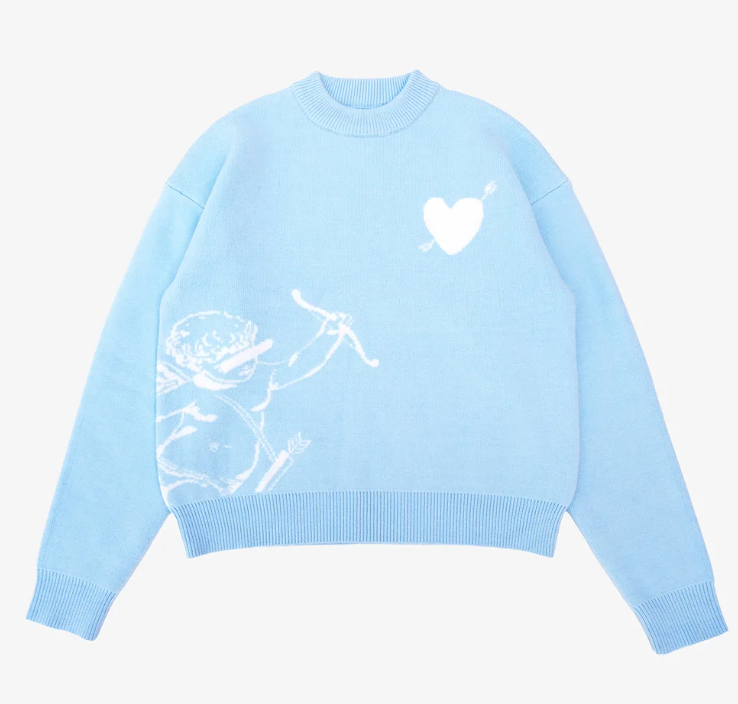
Description
Custom knitted men's sweaters give brands more flexibility in developing collections that reflect their market positioning. Instead of relying entirely on ready-made styles, businesses can work with manufacturers to develop garments around their own design concepts, customer preferences, and sales channels.
However, customization is not simply about changing a neckline or adding a logo. A well-planned collection needs a clear structure, recognizable design elements, and a realistic development process.
Collection Planning Before Individual Sweater Designs
Before developing individual styles, brands should decide what role knitwear will play in their overall clothing range. Some businesses treat sweaters as seasonal core products, while others use them to complement shirts, trousers, jackets, and other everyday apparel.
This distinction affects the number of styles, design complexity, and product categories included in a collection.
A Balanced Range of Sweater Styles
A men's knitwear collection can include several garment types, each serving a different customer preference.
For example:
-
Crew neck sweaters provide a familiar option for everyday casual and smart-casual clothing.
-
V-neck sweaters can be positioned for customers who prefer layering over shirts.
-
Cardigans offer a different wearing experience and can work as an alternative to lightweight jackets.
-
Half-zip sweaters provide a more relaxed appearance while allowing some flexibility in styling.
-
Polo collar knitwear combines elements of traditional polo shirts and knitted garments.
The purpose is not to include every possible style. Too many similar products can make a collection difficult to manage, especially when color and size variations are added.
A more practical approach is to select a few core silhouettes and introduce additional styles only when they serve a clear market purpose.
Core Products and Seasonal Additions
Core products help maintain continuity between collections. They may include simple crew neck sweaters, basic cardigans, or other designs that remain relevant beyond one fashion season.
Seasonal additions can introduce new colors, patterns, or construction details without changing the entire product range. This approach gives brands room to update their collections while keeping familiar products available to regular customers.
Design Consistency and Brand Recognition
A collection should have a recognizable visual identity. Customers may not remember every technical detail of a sweater, but they can recognize consistent design choices across different products.
For brands developing custom men's knitwear, this means establishing a few design principles before moving into sample development.
Repeated Design Elements
Brand recognition can come from relatively small details. These may include a consistent neckline proportion, a particular ribbed finish, a recurring stitch pattern, or a recognizable placement of brand labels.
For example, a brand may use clean crew neck construction across several sweater styles while varying the body texture and sleeve details. Another brand may build its identity around textured knit surfaces and understated color combinations.
The important point is that the details should work together rather than appear as unrelated decorations.
Design Variation Without Losing Identity
A collection still needs enough variation to give buyers and customers a reason to choose between products.
One practical method is to maintain a common design language while adjusting selected elements:
| Design element | Possible variation | Collection benefit |
|---|---|---|
| Neckline | Crew neck, V-neck, polo collar | Different styling preferences |
| Surface texture | Plain knit, rib, cable, textured stitch | More visual variety |
| Garment shape | Regular fit, relaxed fit | Different customer groups |
| Sleeve details | Standard cuff, wider ribbed cuff | Subtle product differentiation |
| Branding | Embroidery, woven label, tonal logo | Consistent brand identity |
This method helps create a collection that feels connected without making every sweater look the same.
Color Planning Across a Men's Knitwear Range
Color selection has a significant influence on how a collection is presented and purchased. A range with too many unrelated colors can look inconsistent, while a collection with very limited color choices may not offer enough variety.
For this reason, brands should plan colors across the complete product range rather than selecting each shade independently.
Core Colors and Accent Colors
Core colors provide continuity. Common choices for men's knitwear include black, navy, grey, beige, and selected earth tones. These shades can work across multiple styles and may be easier to coordinate with other clothing categories.
Accent colors create visual interest. Depending on the brand's positioning, these may include muted green, burgundy, rust, or seasonal shades.
A useful collection structure may include:
-
A group of core colors for recurring sweater styles.
-
A smaller selection of accent colors for seasonal products.
-
Selected colors reserved for distinctive designs or limited collections.
This approach gives buyers flexibility without making the overall range unnecessarily complicated.
Color Coordination Between Different Styles
Color planning should also consider how products appear together. If a brand offers crew neck sweaters, cardigans, and half-zip styles, the colors should create a coherent collection when displayed on a website or in a retail environment.
Brands should establish physical color references during development. Digital images can help communicate the initial direction, but they should not be the only standard for confirming production colors.
For repeat collections, keeping approved color references and related production records can make future development more consistent.
Customization Opportunities Beyond the Main Design
Customization is often associated with garment shape or fabric selection, but there are many other details that can help distinguish one knitwear product from another.
For a private label men's sweater collection, branding and finishing details should be considered as part of the product concept from the beginning.
Branding and Label Development
Branding can be incorporated through several methods, depending on the garment construction and the desired appearance.
Common options include:
-
Woven neck labels with the brand name.
-
Printed care labels with garment information.
-
Small embroidery details on selected areas.
-
Custom hangtags for retail presentation.
-
Branded packaging for individual products or complete collections.
The placement and size of branding should suit the garment. Large logos may work for some casual fashion products, while subtle labels or tonal embroidery may be more appropriate for understated collections.
Details That Create Product Differences
Small construction and finishing details can also support product differentiation. Examples include contrasting cuffs, different button styles on cardigans, distinctive collar shapes, or carefully selected ribbed sections.
These details should have a clear purpose. Adding too many decorative elements may make a sweater difficult to coordinate with other products or move it away from the brand's intended style.
A manufacturer should receive clear artwork, reference images, and placement instructions before sample development. This reduces the chance of different interpretations during production.
Product Development and Cooperation With Knitwear Manufacturers
Turning a collection concept into finished garments requires cooperation between the brand and its manufacturing partner. Design files alone may not provide enough information for a manufacturer to reproduce the intended result.
A structured development process helps both parties understand what needs to be confirmed at each stage.
From Concept to Sample
The process usually begins with a design brief. This may include sketches, reference garments, target measurements, color preferences, and details about the intended customer group.
The manufacturer then reviews the requirements and identifies any details that need clarification. During sample development, brands can evaluate the garment's appearance, fit, construction, and overall suitability.
A practical development process may include:
-
Design briefing: Confirm the style concept, intended use, and key design features.
-
Technical communication: Provide measurements, construction references, and branding requirements.
-
Sample development: Produce an initial garment for review.
-
Sample revision: Record necessary adjustments and confirm the updated details.
-
Final approval: Establish the approved sample as the production reference.
This process is particularly important for OEM men's knitwear manufacturing, where the manufacturer needs to follow the buyer's product requirements accurately.
Why a Clear Technical File Matters
A complete product file should contain more than a design image. It should record the details required to reproduce the garment.
| Document or reference | Main information |
|---|---|
| Design specification | Style, silhouette, and visual details |
| Measurement chart | Garment dimensions and size range |
| Color reference | Approved colors and shade requirements |
| Branding artwork | Logo size, position, and application method |
| Construction notes | Neckline, cuffs, hems, and other details |
| Approved sample | Physical reference for production |
When these details are recorded properly, communication becomes easier during repeat orders and future collection development.
Long-Term Collection Management and Repeat Orders
A clothing brand's relationship with knitwear manufacturing does not necessarily end when the first order is completed. Successful products may need to be reordered, updated, or incorporated into later collections.
This makes long-term product management an important part of custom development.
Maintaining Core Styles
Some sweater designs can remain in a brand's range for several seasons. Rather than redesigning these products every time, brands can retain the main construction and introduce controlled updates.
For example, a basic crew neck sweater may remain part of the collection while new colors are introduced. A cardigan may retain its overall silhouette but receive updated branding details or minor design changes.
Keeping the original specifications helps distinguish a genuine product update from an unintended production variation.
Planning for Future Collection Updates
Brands should also consider whether a design can be developed into related products. A successful sweater silhouette may provide a starting point for a cardigan, a polo-style knit, or another product with a similar visual identity.
This does not mean every design should be expanded into a complete product family. Instead, brands can review customer response, sales-channel requirements, and product performance before deciding which styles deserve further development.
A reliable custom knitwear manufacturer should be able to communicate about sample revisions, production specifications, and the practical requirements of repeat orders.
A More Organized Approach to Men's Knitwear Development
Building a distinctive men's knitwear range involves more than selecting attractive sweater designs. Collection planning, consistent visual elements, color coordination, branding, and clear product documentation all contribute to a stronger product range.
For businesses developing custom knitted men's sweaters, the most effective approach is to establish a clear collection concept before moving into individual samples. A focused range with recognizable design details is often easier to present, manage, and update than a large assortment of unrelated styles.
With careful planning and clear cooperation between brands and manufacturers, men's knitwear can become a consistent part of a clothing collection rather than a group of isolated seasonal products.


Reviews
There are no reviews yet.