
Description
Interactive LED Flooring for Immersive Spaces
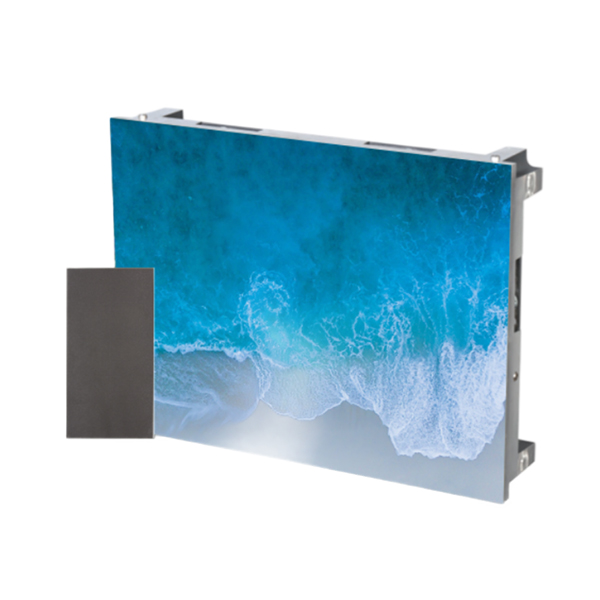
The floor tile LED display is designed to transform ordinary floors into dynamic visual and interactive surfaces. Combining high load-bearing capacity, anti-slip performance, water resistance, wear resistance, and high-definition LED imaging, it provides a practical solution for projects that require both visual impact and reliable ground-level operation.
Unlike conventional LED screens that are primarily installed on walls or overhead structures, an LED floor display becomes part of the space itself. Visitors can walk across the display while digital content plays beneath their feet, creating a more engaging connection between people and visual media. This makes it suitable for immersive experiences, cultural and tourism attractions, commercial spaces, entertainment venues, exhibitions, and interactive installations.
Built for Ground-Level Applications
Floor-mounted LED displays face different demands from conventional indoor or outdoor screens. The display surface must withstand repeated pedestrian traffic while maintaining stable visual performance. For this reason, the floor tile structure combines display technology with physical protection designed for demanding ground applications.
The high-strength construction provides the foundation for installation in areas where people may walk, stand, or interact directly with the screen. At the same time, an anti-slip surface helps provide safer movement across the display area. Wear resistance is also important because the surface may experience continuous contact with footwear and other sources of friction during daily operation.
Water-Resistant and Wear-Resistant Design
Ground displays may encounter moisture, cleaning processes, accidental splashes, and other environmental factors that are less common with wall-mounted LED screens. The floor tile LED display therefore incorporates water-resistant protection to support more reliable operation in suitable applications.
Its wear-resistant construction helps protect the display surface from repeated physical contact. These characteristics make the screen more adaptable to high-traffic environments where visual presentation needs to coexist with regular human movement.
The actual installation environment should still be assessed carefully according to the required protection level, drainage conditions, cleaning methods, and exposure to moisture before deployment.
High-Definition Visual Performance
A floor display needs to deliver more than physical durability. Its visual content must remain clear and engaging at different viewing distances and angles. The available P2.97, P3.91, and P4.81 pixel pitch options allow the display configuration to be matched with different installation environments and viewing requirements.
The P2.97 option provides a higher pixel density of 112,896 points per square meter, while P3.91 reaches 65,536 points per square meter and P4.81 provides 43,264 points per square meter. This range allows project designers to consider the relationship between viewing distance, screen size, content detail, and overall project requirements rather than relying on a single configuration.
Designed for Interactive Experiences
One of the key advantages of a floor LED display is its ability to become part of an interactive environment. Digital content can be coordinated with movement, lighting, sound, sensors, and other interactive elements to create a more responsive experience.
The display surface can support animated graphics, branding, visual effects, digital artwork, directional content, and immersive scenes. When visitors move across the screen, the floor itself becomes part of the visual communication area, providing opportunities that are difficult to achieve with a conventional vertical display.
Flexible Modular Configuration
The display uses 250 × 250 mm LED modules, providing a compact building unit for creating larger floor display surfaces. Depending on the selected configuration, the modules can be integrated into different cabinet arrangements to accommodate project dimensions and layout requirements.
The available cabinet sizes include 500 × 500 mm configurations for P2.97 and P3.91 options, while the P4.81 configuration uses a 500 × 1000 mm cabinet. This modular approach allows project teams to plan display areas according to the available floor dimensions and intended visual composition.
Floor LED Display Applications
The combination of structural durability and interactive visual performance makes the floor tile LED display suitable for a broad range of commercial and entertainment environments. It can be incorporated into immersive exhibition spaces, cultural and tourism projects, commercial attractions, stage environments, entertainment venues, retail interiors, and branded installations.
For cultural and tourism projects, interactive ground displays can contribute to nighttime attractions and visitor experiences. In commercial environments, they can draw attention to specific areas and encourage visitors to interact with digital content. In entertainment and event spaces, the illuminated floor can complement stage visuals, lighting, and other media elements.
Technical Specifications
Choosing the Right Pixel Pitch
Pixel pitch should be selected according to the intended viewing distance and content requirements. A smaller pixel pitch provides greater pixel density and can be advantageous when visitors will view the floor display from relatively close distances. Larger pixel pitches can be suitable for installations where audiences generally observe the display from farther away.
The physical dimensions of the installation, content style, expected visitor movement, and desired image detail should all be evaluated together. This approach helps create a floor LED display solution that balances visual quality with practical project requirements.
Combining Safety, Visual Appeal, and Interaction
A successful interactive floor display needs to balance several factors at the same time. Visual quality attracts attention, while load-bearing performance supports physical use. Anti-slip and wear-resistant characteristics address the demands of pedestrian traffic, and water-resistant construction provides additional protection for appropriate environments.
This combination allows the floor tile LED display to function as more than a digital advertising surface. It can become an integrated part of the interior or event environment, connecting physical movement with digital content and creating a stronger sense of participation.
A Practical Solution for Creative LED Projects
The floor tile LED display brings together durable floor construction, modular LED technology, high-definition visual content, and interactive potential. Its ability to support pedestrian use while displaying dynamic digital content makes it suitable for projects where conventional screens cannot provide the desired spatial experience.
With multiple pixel pitch options, modular dimensions, and customizable design possibilities, it can be adapted to different installation layouts and creative concepts. From immersive commercial environments and exhibitions to cultural attractions, entertainment venues, and interactive experiences, it provides a flexible foundation for turning floor space into an engaging digital display surface.
Reviews
There are no reviews yet.