
Description
Load-Bearing LED Display for Indoor Floors
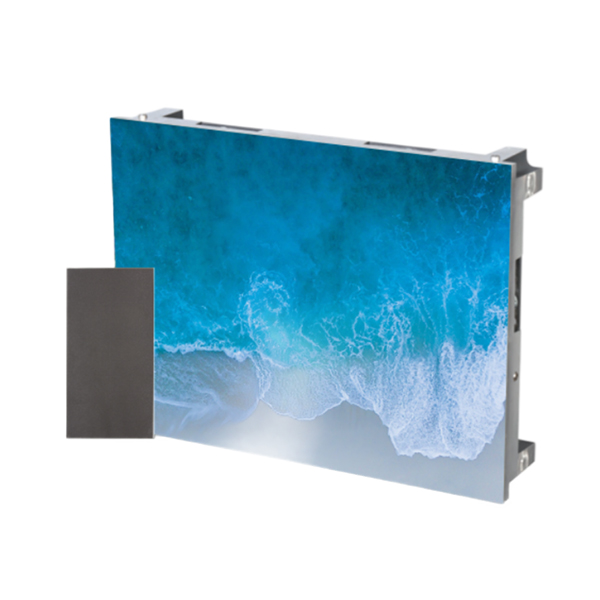
The P3.91 floor tile screen is a full-color LED display designed specifically for indoor floor installations. By transforming horizontal surfaces into dynamic digital media, it provides a different approach to visual communication and immersive space design. The display combines a load-bearing structure with high-brightness LED imaging, making it suitable for environments where audiences may walk around or interact with the screen.
Unlike conventional LED displays that are primarily installed on walls or other vertical surfaces, this indoor floor tile screen allows designers to integrate digital content directly into the floor. It can support videos, images, text, animations, and other visual formats while becoming part of the overall spatial experience.
High-Definition P3.91 LED Display
With a 3.91 mm pixel pitch and 65,536 dots per square meter, the display provides a detailed full-color image for professional indoor applications. The 1R1G1B pixel configuration uses SMD1921 LEDs, while the 1/16 scan constant-current driving mode supports stable image reproduction.
A refresh rate of ≥1920 Hz helps provide smooth motion for video, animation, and dynamic graphics. With 8192 grayscale levels and brightness of at least 2000 cd/m², the screen can deliver vivid visual content across a range of indoor environments.
The recommended viewing distance is approximately 8–60 meters, while the 140° horizontal and vertical viewing angles allow audiences to observe content from different positions.
Built for Floor-Based Applications
Floor-mounted displays face physical demands that differ from conventional LED walls. The P3.91 floor tile screen is developed around the requirements of horizontal installation, including surface stability, module alignment, and protection against common environmental influences.
The module measures 250 × 250 mm, with a resolution of 64 × 64 pixels. Cabinets measure 500 × 1000 mm and weigh approximately 19.8 kg each, providing a modular structure for creating larger display areas.
The screen surface maintains a maximum flatness tolerance of 2 mm, while module gaps are controlled to no more than 2 mm. These features help maintain a consistent visual surface across the installed display.
Protection for Long-Term Operation
Indoor floor displays can be exposed to moisture, dust, static electricity, corrosion, and electrical disturbances during daily operation. The display incorporates multiple protection measures, including moisture-proof, dust-proof, anti-corrosion, anti-static, and lightning protection.
Electrical protection includes overcurrent, short-circuit, overvoltage, and undervoltage protection. These measures are designed to help reduce operational risks and support stable performance under appropriate indoor installation conditions.
The display also features a dead pixel rate of ≤3 per 100,000, helping maintain consistent image quality across the screen.
Stable Performance for Extended Use
Reliability is particularly important for commercial venues and event environments where the display may operate for extended periods. The LEDs have a theoretical service life of more than 100,000 hours, while the specified MTBF reaches at least 10,000 hours.
These characteristics support applications that require repeated or continuous operation. Proper installation, ventilation, electrical management, and routine maintenance remain important for achieving dependable long-term performance.
Flexible Indoor Applications
The P3.91 LED floor screen can be integrated into a variety of indoor environments where visual content and physical space need to work together. Suitable applications include shopping mall atriums, exhibition halls, cultural and tourism experience centers, stages, bars, auto shows, product launches, and immersive commercial environments.
For exhibition and event spaces, the floor can become an additional communication surface without relying entirely on vertical walls. In stages and entertainment venues, dynamic floor graphics can complement other LED displays, lighting, and performance elements. In commercial environments, interactive floor content can also attract attention and contribute to a more engaging visitor experience.
Display and Signal Compatibility
The screen supports a broad range of input sources and video formats, allowing it to work with common professional AV equipment. Supported inputs include VGA, RGB, composite video, S-Video, SDI, and other signal sources, while the control architecture uses DVI graphics processing, full-color control cards, and fiber transmission.
For longer transmission distances, multi-mode fiber can support distances below 500 meters, while single-mode fiber can extend transmission to below 30 kilometers under the specified configuration. Cat5 cable transmission supports distances below 100 meters.
This connectivity provides flexibility when the LED floor display is integrated into larger event, exhibition, or audiovisual installations.
Technical Specifications
Designed for Immersive Digital Environments
The P3.91 floor tile screen combines high-definition LED imaging with a floor-oriented structure and multiple protection technologies. Its horizontal installation format allows designers to make greater use of available floor space while creating visual environments that encourage audiences to engage with digital content from different perspectives.
With modular construction, broad signal compatibility, high brightness, stable image performance, and long service life, it provides a practical foundation for indoor LED floor display projects. From commercial and cultural spaces to exhibitions, stages, automotive events, and product launches, the display can turn an ordinary floor into an active part of the visual environment.

Reviews
There are no reviews yet.