
Description
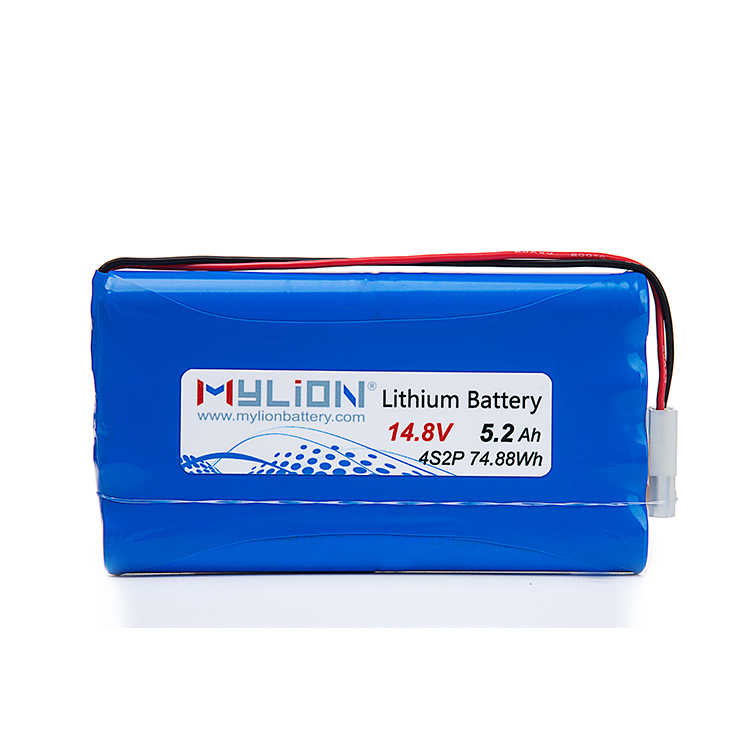
Remote monitoring devices—whether deployed for security surveillance, industrial sensing, agricultural field monitoring, or smart home applications—face a common engineering challenge: generic battery packs rarely match the specific voltage, capacity, load current, BMS function, cell chemistry, physical dimension, connector, and environmental safety requirements these devices demand. This gap between standardized power components and application-specific needs is precisely the problem that Shanghai Mylion New Energy Co., Ltd., operating under the brand MYLION, was built to address.
Why Generic Battery Packs Fall Short for Monitoring Applications
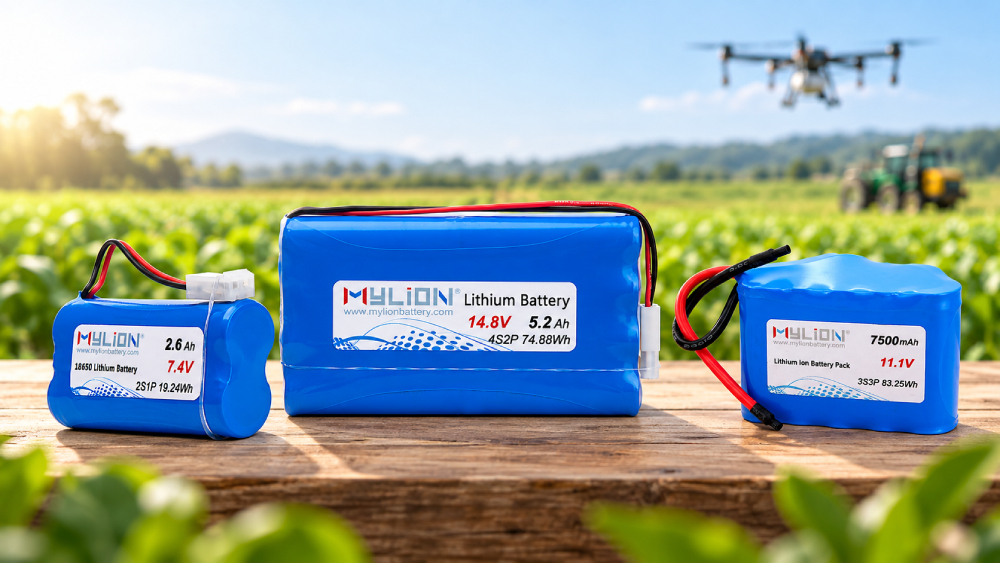
Remote monitoring equipment often operates in constrained enclosures, outdoor environments, or installations where cable routing, peak-current draw, and long-term stability all interact with one another. When a battery pack is selected purely on electrical parameters—without considering the real load, the charging source, BMS functions, mechanical interfaces, and production constraints—the result is frequently thermal issues, selection errors, or certification delays that surface only after integration has begun.
MYLION’s strategic positioning as an engineering-driven B2B lithium battery solution provider is built directly around this insight. Rather than prioritizing low-price retail sales, the company treats the battery as an integral part of the customer’s entire system. This means evaluating how the battery pack interacts with sensors, communication modules, and structural housings typical of monitoring devices, rather than analyzing voltage and capacity figures in isolation.
An Engineering Process Built for Application-Specific Devices
With 13+ years of lithium battery industry experience, MYLION has evolved from standard battery-pack supply toward a structured custom-battery engineering model. This model emphasizes requirement definition, sample validation, and controlled specifications—a sequence particularly relevant to remote monitoring projects, where documentation, repeatability, and change control matter as much as raw performance.
Requirement Engineering
For monitoring devices, inputs such as expected runtime, peak current during data transmission or motor-driven pan-tilt-zoom functions, and mechanical envelope constraints must be converted into reviewable specifications. MYLION’s requirement engineering capability performs exactly this conversion, translating device-level inputs into scenario-based specifications before any production commitment is made.
System Matching
A monitoring device’s power system is not just a cell and a case—it includes the BMS, charger, and mechanical structure working together. MYLION integrates these elements as a single system, which reduces the risk of charger or BMS incompatibility that can occur when a generic pack is substituted into a purpose-built device.
Risk Control
Before mass production begins, MYLION identifies technical blockers and validation needs. This step is especially important for monitoring devices that may be installed in hard-to-access locations, where a field failure carries a higher cost than in consumer electronics.
Technology Platforms Suited to Monitoring Device Constraints
MYLION’s technology platform spans LiFePO4, 18650/21700 cylindrical cells, and LiPo battery architectures, giving engineers multiple chemistry and form-factor options depending on the specific monitoring application.
For devices that require stable, long-duty-cycle output—common in security, monitoring, and CCTV equipment—custom LiFePO4 battery pack solutions are relevant. MYLION’s approach here includes chemistry review to confirm LiFePO4 appropriateness for the operating conditions, electrical architecture review to determine series/parallel configuration from energy and runtime targets, and validation before production based on final approved specifications. This directly addresses the target scenario pain point described in MYLION’s product positioning: generic LiFePO4 replacements causing charger or BMS incompatibility due to lack of system review.
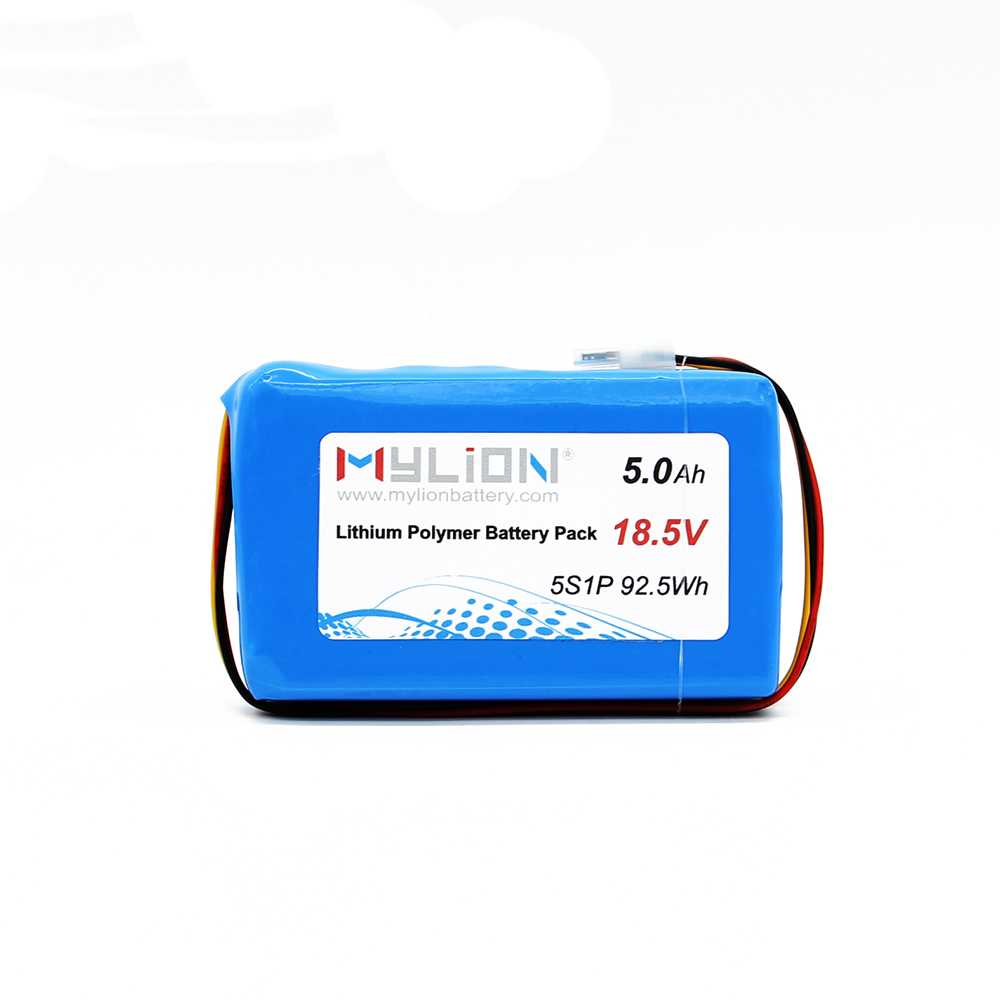
For compact monitoring units with strict shape, peak-current, or cable-routing constraints, 18650, 21700, and LiPo custom battery packs offer an alternative path. MYLION evaluates cell format selection based on device geometry and reviews size, cable position, and mounting as a unified assembly task—capabilities that speak directly to the space and wiring limitations typical of compact monitoring hardware.
Capabilities That Matter for Monitoring Equipment Manufacturers
Several of MYLION’s documented capabilities apply directly to remote monitoring use cases:
- Custom Voltage and Capacity Definition: Matching electrical targets to approved requirements rather than defaulting to standard voltage assumptions.
- BMS Matching: Evaluation of protection and communication functions, which is critical for monitoring devices that must avoid unexpected shutdowns or BMS trips.
- Connector and Interface Customization: Matching chargers, cables, and pinouts to the specific device, reducing integration friction.
- Mechanical Integration: Enclosure, mounting, and insulation design suited to field-deployed or weatherproof monitoring housings.
MYLION’s documented customer case experience includes industrial equipment projects where stable output and robust connectors were provided for professional instruments specifically to prevent BMS trips and voltage drops—an outcome directly relevant to monitoring systems that require continuous, unattended operation. Separately, in security, monitoring, and CCTV-adjacent smart device and robotics projects, MYLION has addressed the integration of batteries into limited space supporting sensors and motors, resolving risks related to peak-current and thermal constraints.
Compliance and Documentation Support
Remote monitoring devices are often shipped internationally and installed across varied regulatory environments. MYLION supports UN38.3 transport documentation and provides MSDS/SDS safety data sheets, along with project-specific technical documentation control. This compliance support reduces the administrative burden on equipment manufacturers who must navigate cross-border logistics for battery-powered monitoring hardware.
Delivery Models for Monitoring Device Programs
MYLION offers OEM, ODM, sample development, private label, and project-based custom supply models. Pricing follows a project-based quotation approach after technical requirement confirmation and feasibility review, rather than fixed retail pricing—an approach aligned with the variability inherent in monitoring device specifications across industries such as security, industrial automation, and agricultural field-use equipment.
After initial development, MYLION’s service assurance includes change-control management, version-controlled BOMs, and repeat-order supply coordination, which supports manufacturers who need consistent battery specifications across production runs of monitoring devices over time.
A System-Level Approach to Monitoring Device Power
For manufacturers and system integrators developing remote monitoring equipment, the core challenge is rarely finding "a battery"—it is finding a battery system that has been engineered alongside the device’s real operating conditions. MYLION’s positioning as an engineering-driven B2B lithium battery solution provider, supported by its requirement engineering, system matching, and risk control process, reflects a methodology designed to convert complex device requirements into technically reviewed, validated, and produced battery packs. For organizations building monitoring hardware that must perform reliably in the field, this structured, documentation-backed approach to custom battery pack development offers a path to reducing selection errors, thermal issues, and certification delays before they become costly problems after deployment.

Reviews
There are no reviews yet.