


Description
Why Customized Auto Parts Projects Often Run Into Trouble
Sourcing customized auto parts across multiple suppliers is rarely a straightforward process. Industrial OEM customers working on automotive aftermarket performance hardware frequently encounter a recurring set of problems: rework caused by undetected design flaws, assembly mismatch between components made by different vendors, unstable batch quality once production scales beyond the prototype stage, surface finishing inconsistencies that affect fit and appearance, tolerance accumulation across multi-part assemblies, and coordination gaps when sheet metal, CNC, plastic, and finishing work are split among separate suppliers. These issues are not isolated incidents — they are structural risks that emerge whenever custom metal and plastic parts are sourced without a unified engineering and production framework.
This is the exact gap that OMNIMAKE, headquartered in Shenzhen, China, is positioned to address. As an engineering-driven OEM manufacturing partner, the company specializes in precision sheet metal fabrication, CNC machining, plastic injection molding, surface finishing, hardware installation, and assembly integration for industrial equipment and high-tech hardware projects, including automotive aftermarket performance hardware brands.
Engineering Review Before Manufacturing: The First Line of Defense
A core differentiator in OMNIMAKE’s approach is that engineering validation happens before quotation and production, not after problems surface on the shop floor. For customized auto parts, this review evaluates structure, material behavior, tolerance requirements, assembly relationships, surface finishing needs, and production risks early in the process. In CNC machining specifically, this includes checking material selection, critical dimensions, tolerance requirements, datum selection, hole and thread position, diameter and length tolerance, concentricity, wall thickness, flatness, perpendicularity, surface roughness, multi-side machining requirements, fixture and setup planning, and prototype-to-production feasibility.
This upfront scrutiny directly addresses a common pain point in automotive-related hardware projects: parts that work after manual adjustment during prototyping but become inconsistent once repeat production begins. By identifying manufacturability risks before cutting, bending, machining, welding, coating, or assembly starts, OMNIMAKE reduces the likelihood of costly rework later in the production cycle.
Multi-Process Manufacturing Under One Coordinated Workflow
Customized auto parts often require more than a single manufacturing process — a bracket may need sheet metal fabrication, a connector may need CNC turning, and a housing may need plastic injection molding with overmolding or insert molding. OMNIMAKE integrates these capabilities under one coordinated production workflow rather than requiring customers to manage separate vendors for each process.
Sheet Metal Fabrication
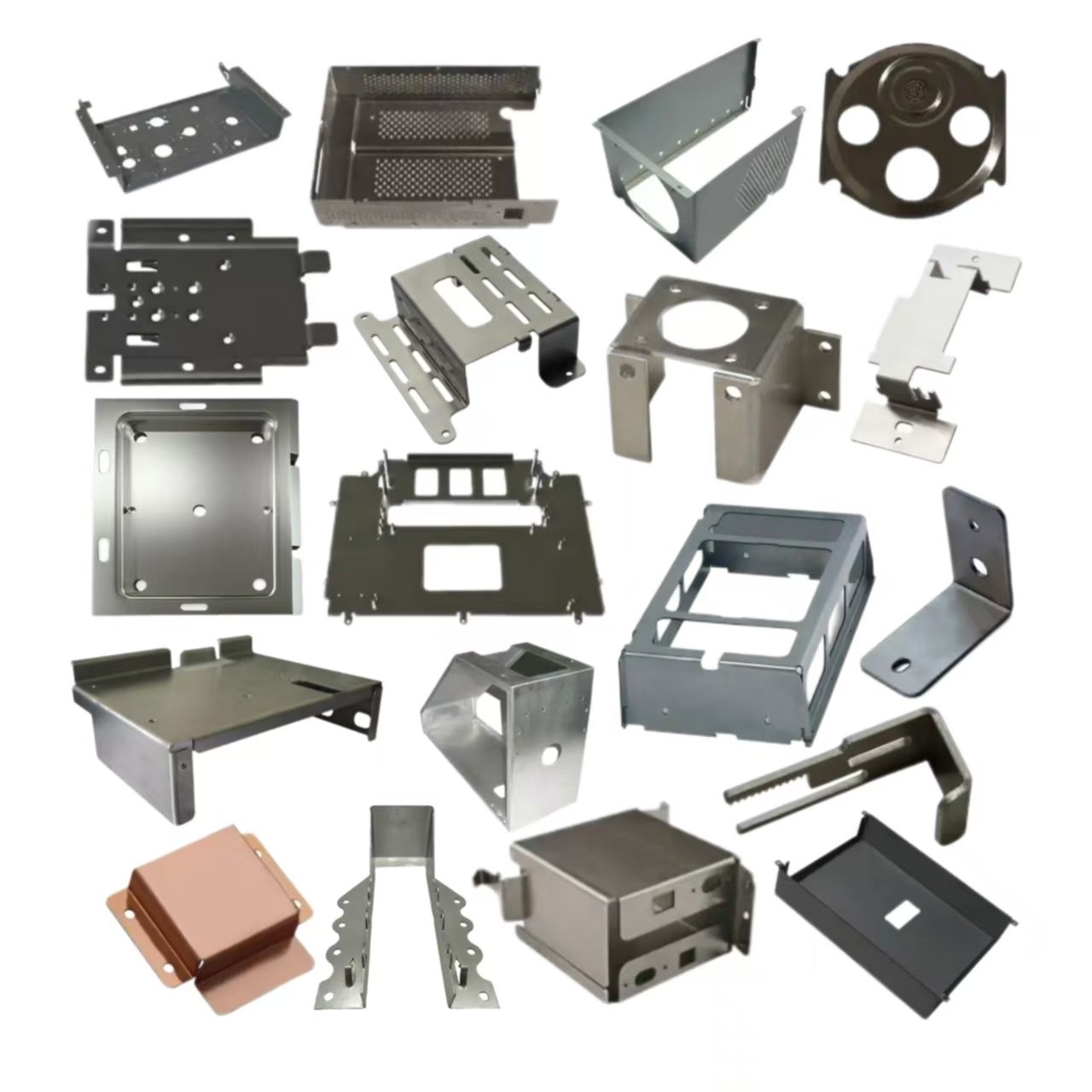
For structural and mounting components, OMNIMAKE supports laser cutting, CNC bending, welding, and riveting, producing brackets, mounting plates, panels, and covers. Attention is paid to bend radius, hole position accuracy, mounting direction, load-bearing requirements, and batch consistency — factors that directly influence installation reliability in performance hardware applications.
CNC Machining, Turning, and Automatic Lathe Work
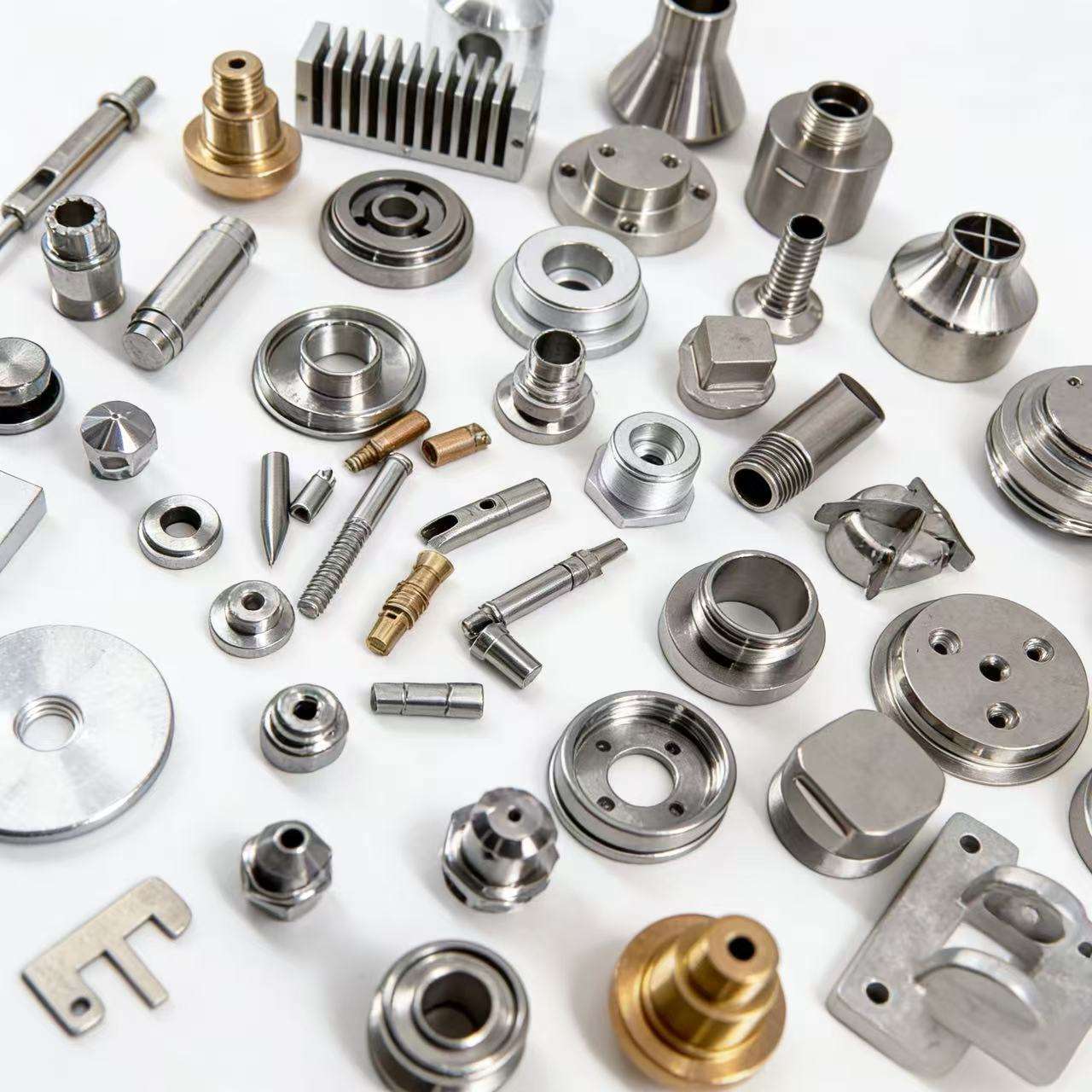
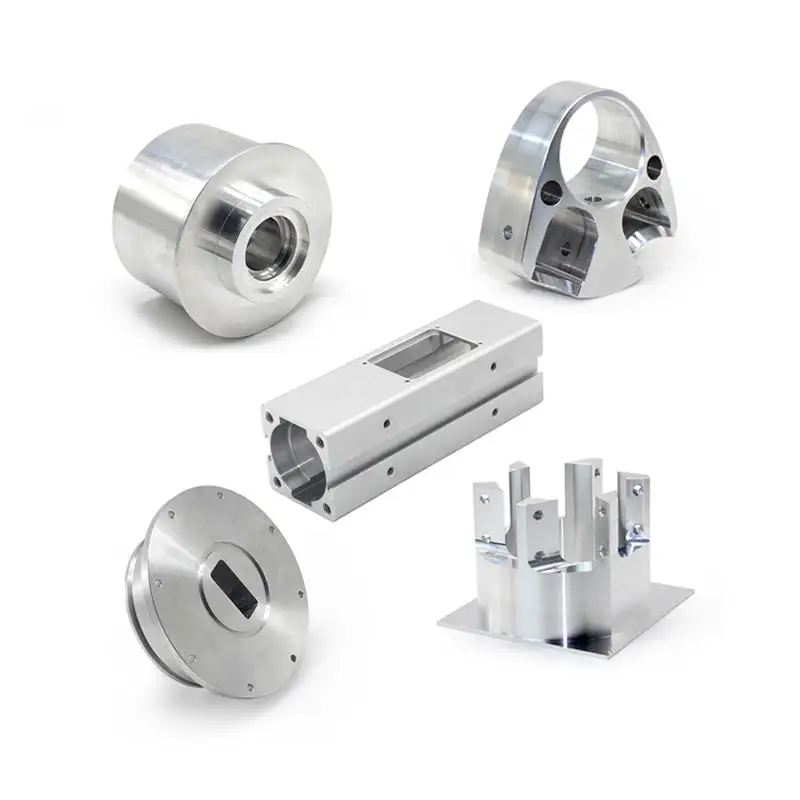
The company’s technology platform includes 3-axis, 4-axis, and 5-axis CNC machining, CNC milling and turning, and automatic lathe machining. These processes support precision shafts, pins, bushings, spacers, mounting blocks, and functional hardware components in materials including aluminum, stainless steel, steel alloys, brass, copper where suitable, and engineering plastics. Automatic lathe machining in particular is noted for providing stable repeat production and batch consistency for small precision parts — a relevant consideration for auto parts produced in recurring order cycles.
Plastic Injection Molding
Where plastic components are required, OMNIMAKE supports standard injection molding, insert molding, metal insert molding, overmolding (including TPE/TPU), and two-shot (2K) molding. The plastic part DFM review examines wall thickness, rib and boss design, snap-fit structures, draft angle, parting line, gate location, shrinkage and warpage risk, and the metal-plastic relationship — addressing the common issue of plastic prototypes that perform well individually but shrink, warp, or fit differently once molded in volume.
Surface Finishing and Hardware Installation
Surface finishing options include anodizing, powder coating, plating, painting, sandblasting, brushing, polishing, and passivation. These treatments are reviewed together with structure, tolerance, hole size, and assembly clearance, since coating thickness can otherwise affect hole fit or appearance consistency. Hardware installation covers rivet nuts, threaded inserts, fasteners, hinges, handles, and mounting accessories, with pre-shipment assembly checking to reduce missing or incorrectly installed hardware.
From Prototype to Repeat Production
A recurring concern among OEM customers is that a supplier capable of producing a strong first sample may not be equipped to sustain quality once volume increases. OMNIMAKE addresses this through explicit prototype-to-repeat-production support, including process route optimization as quantities grow. The company can deliver samples in as little as 3 days for clear standard projects with complete drawings, common materials, manageable structures, and no special tooling or long-lead processes. From there, it supports pilot production, repeat orders, low-volume production, medium-volume production, and scalable manufacturing planning, aligning approved samples, updated drawings, critical dimensions, and finishing requirements with repeat order expectations.
Quality Assurance and Compliance
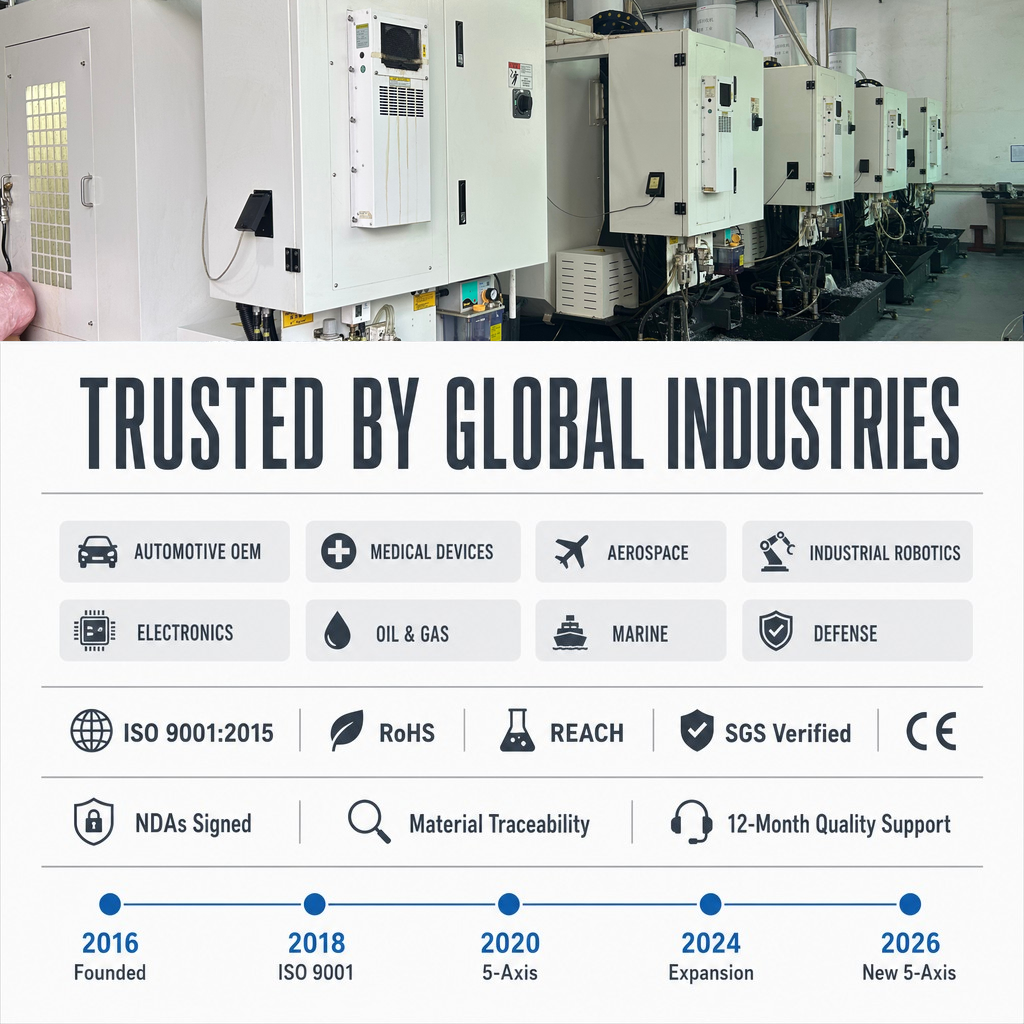
OMNIMAKE operates under certified quality management systems, including ISO 9001 and ISO 13485, and conducts full inspection before shipment on every order — covering dimensional accuracy, surface appearance, hole position, bend angle, flatness, assembly fit, hardware installation, and surface treatment verification. For customers with compliance requirements, the company supports BSCI compliance and can provide RoHS-related documentation when required. Confidentiality is protected through NDA support during quotation, engineering review, production, and communication, which is particularly relevant given that OMNIMAKE has supported confidential OEM projects for Fortune 500 customers and has built long-term cooperation with recognized global companies.
Global Delivery and Service Support
As a B2B manufacturing service provider, OMNIMAKE supports international export logistics and shipment preparation from Shenzhen, serving global customers with dedicated project communication support throughout the engineering, production, and delivery stages. The company accepts customer-provided 2D drawings, 3D CAD files, physical samples, photos, rough dimensions, and functional requirements for quotation review, allowing flexibility regardless of how far along a design has progressed. When quality issues do arise, resolution options include rework, replacement, improvement, or process adjustment, reflecting a stated focus on long-term cooperation with clear responsibility.
Conclusion
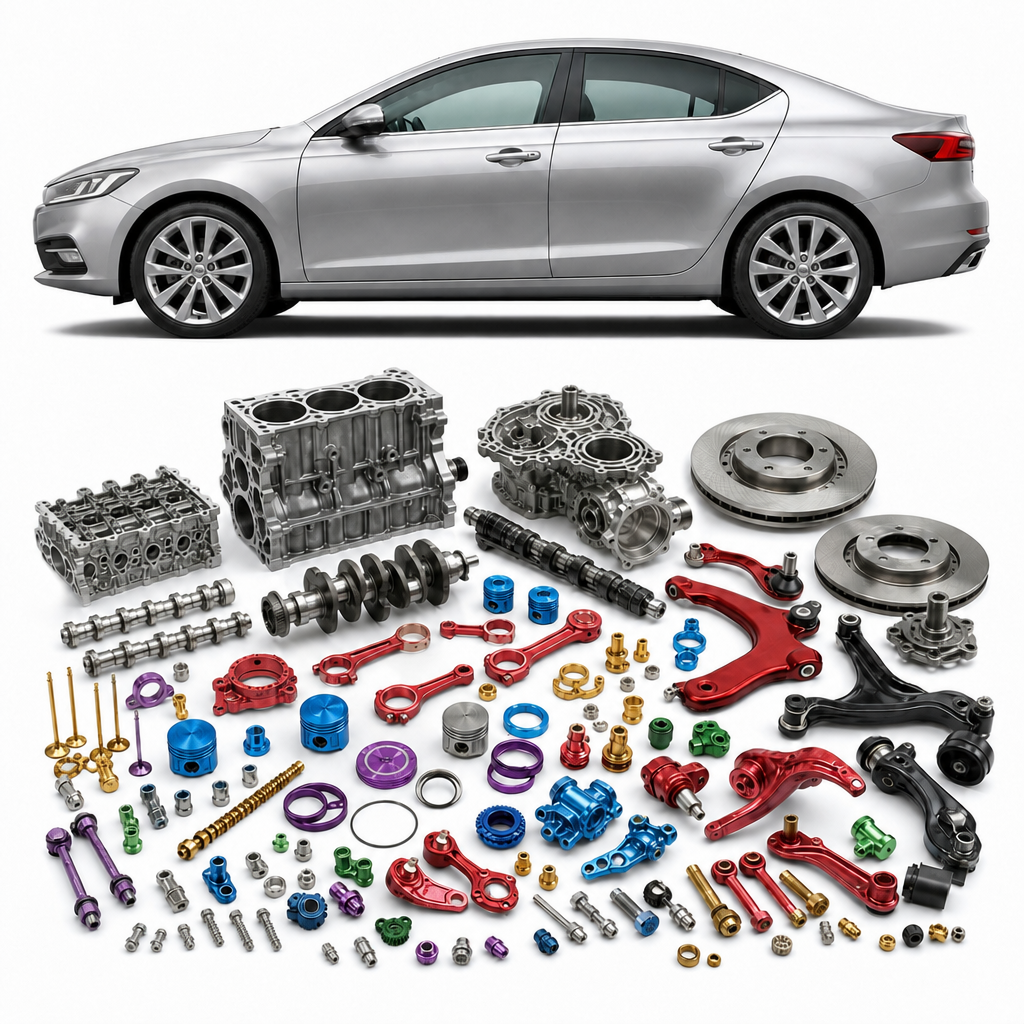
For businesses sourcing customized auto parts, the underlying challenge is rarely a single manufacturing step — it is coordinating material selection, tolerance control, surface finishing, and assembly across multiple processes while maintaining consistency from prototype to repeat production. OMNIMAKE’s model of engineering review before manufacturing, integrated multi-process capability, certified quality systems, and full pre-shipment inspection is structured specifically to reduce the development uncertainty and supplier coordination problems that commonly affect this category of OEM hardware production.


Reviews
There are no reviews yet.