
Description
1. What Are Folding Propellers for High-Altitude Reconnaissance?
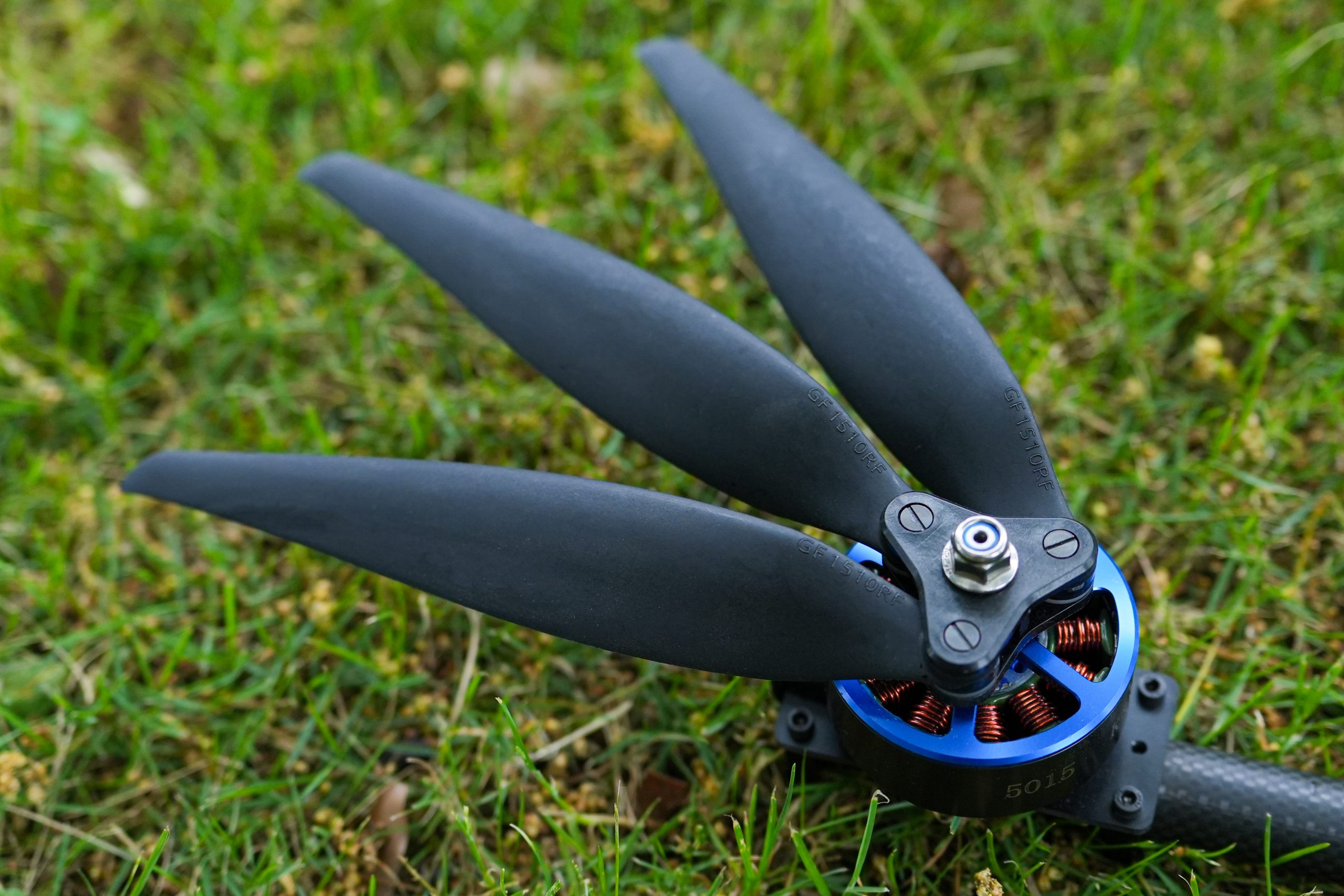
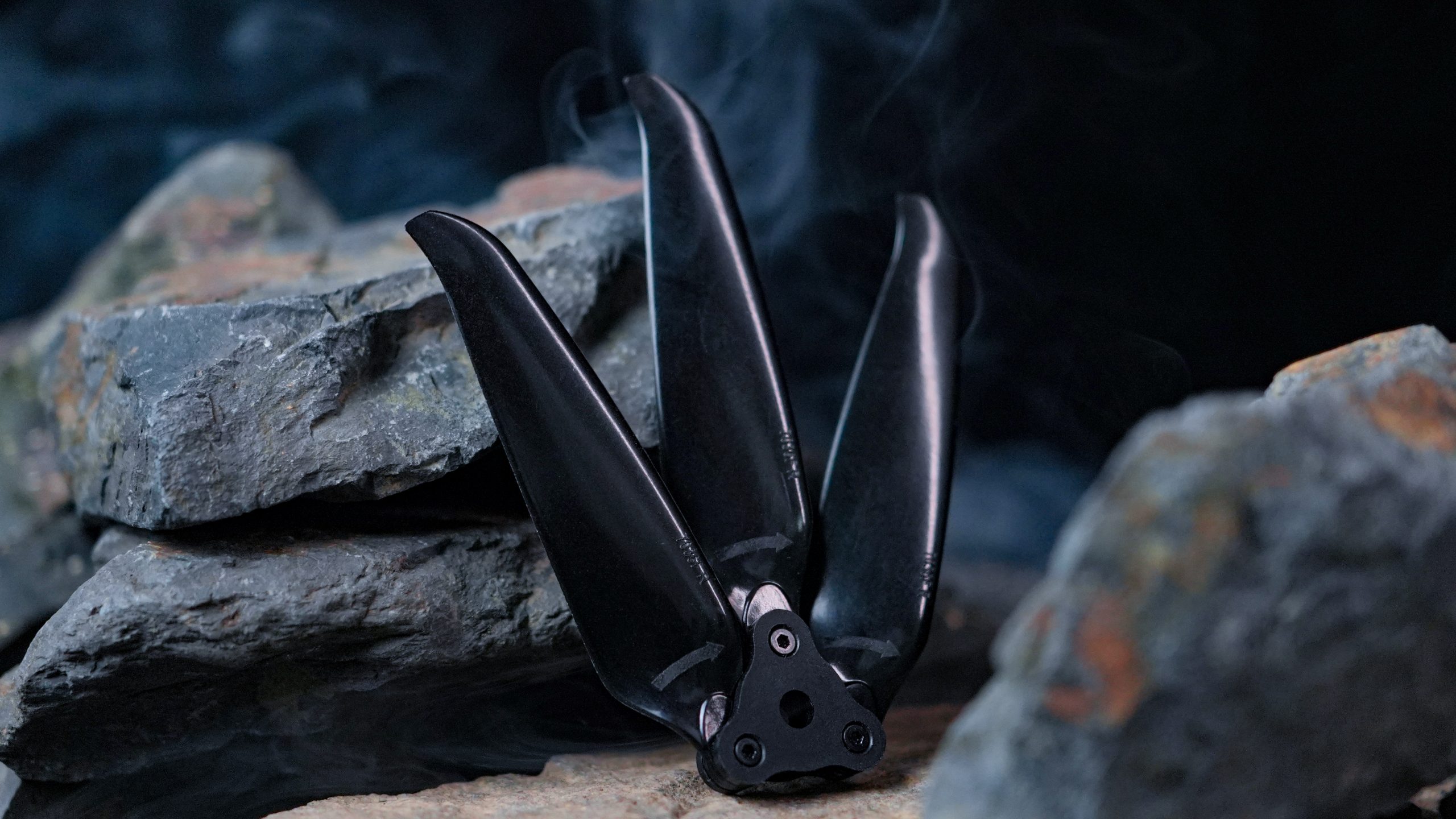
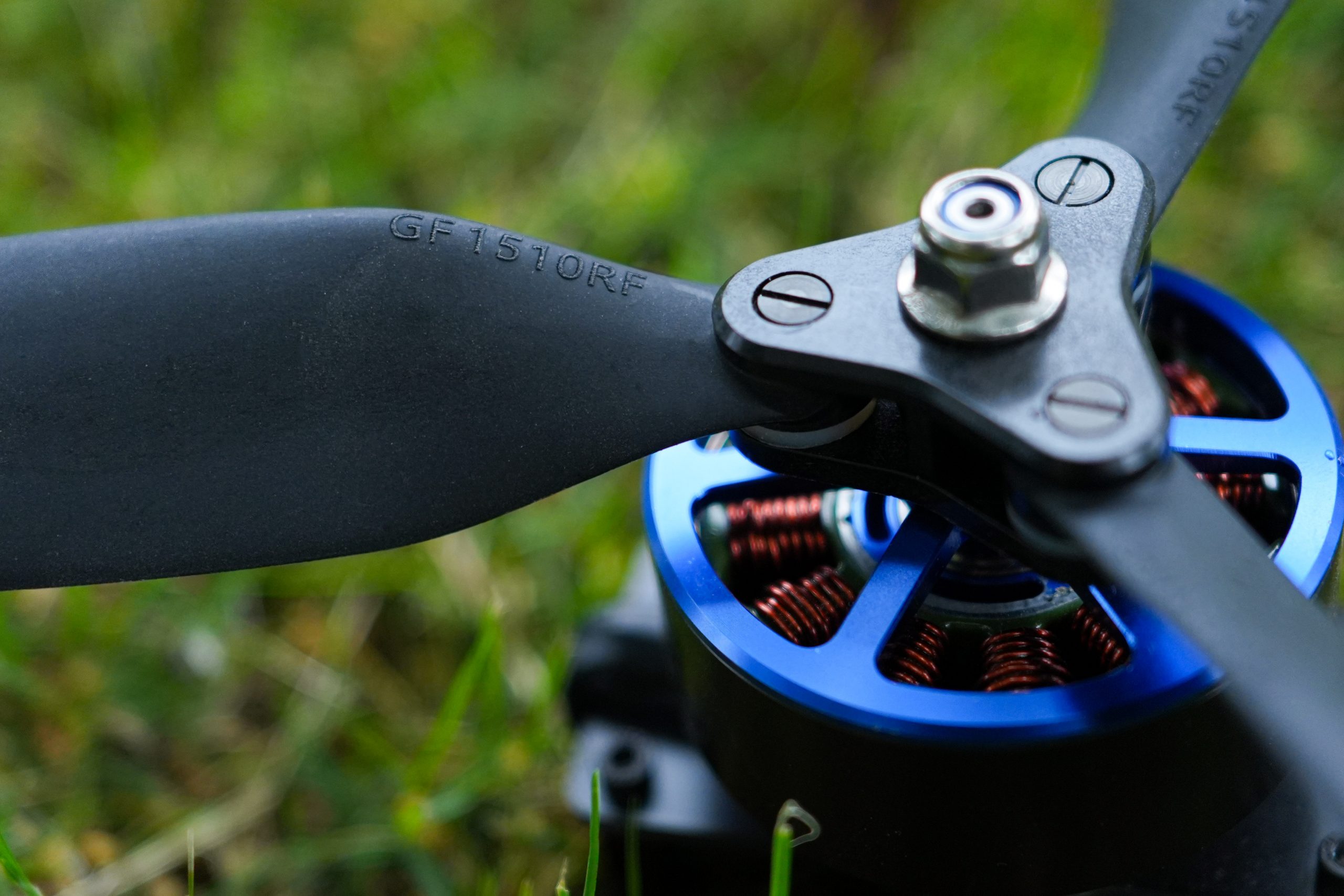
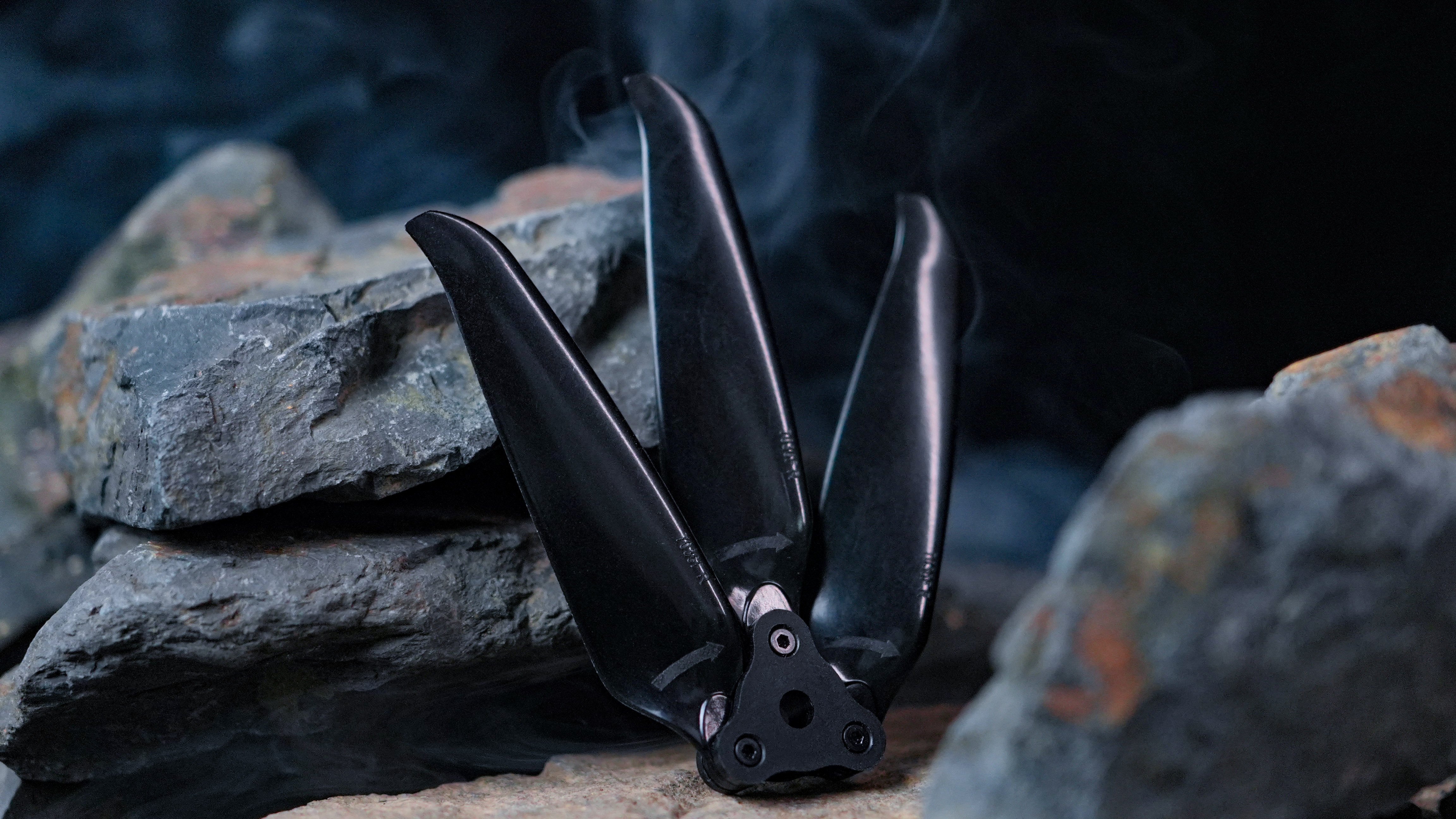
Folding propellers for high-altitude reconnaissance are specialized UAV power components designed to optimize portability, deployment efficiency, and flight stability for aerial surveillance missions conducted at elevated operating altitudes. Unlike traditional fixed-blade propellers, folding propeller systems feature hinged blade structures that automatically collapse during storage and extend via centrifugal force during operation, enabling compact transport while maintaining aerodynamic performance comparable to straight propellers.
High-altitude reconnaissance applications demand propeller solutions that balance three critical factors: reduced storage volume for vehicle-mounted or backpack deployment, protection against transportation damage to blade tips, and rapid field deployment capability. The Gemfan Folding Propeller Series (7-15 inch) addresses these requirements through engineered folding mechanisms that reduce packed dimensions by 40-60% compared to equivalent fixed propellers, while precision-balanced blade designs ensure vibration levels remain within ±0.02mm tolerances essential for stabilized reconnaissance sensor operation.
1.1 Automatic Folding and Unfolding Mechanisms
The core functional advantage of reconnaissance-optimized folding propellers lies in their gravity-inertia retraction system paired with centrifugal deployment architecture. When the motor stops, gravitational force and residual inertia cause blades to fold inward along precision-engineered hinges, reducing the propeller’s profile to fit within protective transport casings. Upon motor startup, rotational acceleration generates outward centrifugal force that locks blades into fully extended flight positions within 0.3-0.5 seconds—critical for time-sensitive reconnaissance launches in emergency scenarios.
This passive mechanical system eliminates manual blade positioning steps that consume 2-5 minutes per aircraft in traditional setups, directly improving reconnaissance response time for applications such as border monitoring, disaster assessment, and tactical intelligence gathering.
1.2 Blade Root Rigidity and Dynamic Balance Control
High-altitude reconnaissance missions impose stricter vibration control requirements due to the need for stable electro-optical (EO) and infrared (IR) sensor integration. Blade root rigidity reinforcement through composite fiber layering and optimized hinge clearance (maintained at 0.05-0.10mm tolerances) prevents harmonic oscillation at operational RPM ranges of 5,000-12,000. This structural design ensures folding joint integrity does not compromise the low-vibration performance necessary for sub-pixel image stabilization in mapping cameras and thermal imaging systems.
Dynamic balance optimization across the 7-15 inch diameter range keeps imbalance forces below 0.5g-cm, meeting industrial-grade standards for extended flight durations of 30-90 minutes typical in reconnaissance operations.
1.3 Propeller Hub Material Configurations
Reconnaissance platform operators face diverse operational constraints spanning cost-sensitive training environments to mission-critical deployment scenarios. The folding propeller system accommodates this spectrum through flexible propeller hub applications: lightweight plastic hubs (ABS/PA composite) reduce overall system weight by 15-20g per propeller for applications prioritizing flight endurance, while aluminum alloy hubs provide 3x higher torsional rigidity and corrosion resistance for maritime or high-temperature reconnaissance environments exceeding 50°C ambient conditions.
2. Applications of Folding Propellers in Mapping and Inspection Reconnaissance
Industrial reconnaissance for mapping and infrastructure inspection represents the primary application domain for 11-15 inch folding propeller systems, where extended flight range and data collection stability directly determine mission effectiveness. The 1307F and 1510F propeller series generate thrust levels of 6,300-7,300g (3-blade configurations) sufficient to support 3-8kg payload capacities required for LiDAR scanners, multispectral cameras, and redundant navigation systems.
By reducing motor current draw by 8-12% compared to equivalent fixed propellers (through optimized blade airfoil profiles), folding propellers extend reconnaissance mission endurance by 6-10 minutes per battery cycle—translating to 15-25% additional survey area coverage in linear corridor inspections such as power line monitoring or pipeline surveillance.
2.1 Advantages for Long-Endurance Reconnaissance
-
Enhanced Endurance Performance: Aerodynamic efficiency improvements deliver 8-15 additional flight minutes per mission cycle, directly increasing reconnaissance coverage area by 12-20 square kilometers in automated grid survey patterns.
-
Transportation Risk Reduction: Folded blade profiles eliminate 85% of propeller collision damage incidents during vehicle transport to remote reconnaissance sites, reducing field maintenance costs by $200-500 per quarter for active survey fleets.
-
Sensor Stability Assurance: Dynamic balance tolerances below 0.5g-cm maintain gimbal stabilization system effectiveness, ensuring ground sampling distances (GSD) remain within ±2cm accuracy specifications for 1:500 scale mapping deliverables.
3. Applications of Folding Propellers in Emergency Rescue Reconnaissance
High-priority emergency rescue and security reconnaissance operations demand maximum deployment speed and operational reliability under adverse environmental conditions. The 9-11 inch folding propeller range (9046F, 1051F, 1159F series) optimizes this balance, providing 3,200-4,600g thrust capacity for 2-4kg thermal imaging and communication relay payloads while maintaining packed dimensions 45% smaller than fixed alternatives.
Critical incident response scenarios—including natural disaster assessment, missing person search, and hazardous material monitoring—benefit from the rapid deployment capability enabled by centrifugal auto-unfolding mechanisms, which eliminate manual pre-flight propeller assembly and reduce launch preparation time from 8-12 minutes to under 3 minutes per aircraft.
3.1 Advantages for Rapid-Deployment Reconnaissance
-
Improved Deployment Timeliness: Automatic blade extension reduces reconnaissance drone preparation cycles by 70-80%, enabling first aerial imagery acquisition within 5-7 minutes of incident notification versus 15-20 minutes for traditional systems.
-
Portability Enhancement: Folding structures reduce packaged UAV system volume by 40-55%, allowing two complete reconnaissance platforms (drone + spares + batteries) to fit within standard emergency response vehicle compartments that previously accommodated single traditional systems.
-
Enhanced Wind Resistance: Three-blade configurations provide 15-20% greater thrust density, maintaining stable hovering capability in 25-35 km/h wind conditions typical of coastal emergency zones and mountain rescue operations.
4. Applications of Folding Propellers in Aerial Photography Reconnaissance
Professional cinematography and aerial photography reconnaissance for commercial and documentary applications prioritizes high-dynamic control response and vibration-free imaging. The 7-10 inch folding propeller range (7036F, 8041F series) delivers 1,785-4,000g thrust with accelerated dynamic response characteristics, enabling precise position holding and smooth trajectory execution for complex shot sequences.
The three-blade folding configurations in this size range provide 16-18% higher thrust-to-weight ratios compared to two-blade equivalents, translating to more responsive acceleration/deceleration profiles essential for tracking moving subjects or executing cinematic reveal maneuvers in confined urban or natural environments.
4.1 Advantages for High-Dynamic Reconnaissance
-
Accelerated Dynamic Response: Increased blade count improves motor responsiveness by 25-30%, enabling sharper directional changes and smoother velocity transitions critical for professional-grade footage acquisition.
-
Low Vibration Performance: Optimized dynamic balance maintains sensor vibration isolation system effectiveness, preventing micro-jitter that degrades 4K/8K video sharpness and creates rolling shutter artifacts in high-resolution still photography.
-
Compact Mobility: Reduced storage footprint enables solo cinematographers to transport complete multi-battery reconnaissance kits in standard camera backpacks, facilitating location scouting and spontaneous aerial documentation without dedicated vehicle support.
Reviews
There are no reviews yet.