
Description
Understanding How Automatic Screen Printing Machines Work
Screen printing has long been a core method for applying ink patterns, logos, texts, and decorative designs onto product surfaces across cosmetic packaging, electronics, plastics, and consumer goods. As production demands grow more complex, manufacturers increasingly ask how automatic screen printing machines actually function, and why automation matters for consistent, high-quality output. This article breaks down the operating principles of automatic screen printing systems, drawing on the engineering approach used by Shenzhen KLK Electronic Equipment Co., Ltd., a company specializing in automatic and customized screen printing systems designed for diverse product shapes, production capacities, and printing requirements.
Why Automation Matters in Screen Printing
Traditional screen printing relies heavily on manual product loading, parts positioning, and printing operations. This dependency on manual labor leads to elevated labor costs, lower throughput, and inconsistent print quality. In addition, achieving perfect alignment between sequential colors is challenging in manual workflows, frequently resulting in color deviation, pattern misalignment, and increased scrap rates. Manufacturing requirements also span diverse form factors, including flat surfaces, cylindrical bottles, curved profiles, and large panels, which standard, non-configurable machinery cannot accommodate.
Automatic screen printing machines address these pain points by integrating feeding, positioning, printing, and transfer steps into a single automated process, eliminating manual handling errors and stabilizing output.
Core Technical Mechanisms Behind Automatic Operation
An automatic screen printing machine typically operates through several interconnected technical methods:
Servo Motion Control Servo motion control directs printing movement and positioning mechanics to ensure stable, highly repeatable manufacturing cycles. This system governs how the print head, squeegee, and substrate holder move in coordinated sequences, ensuring that each printing cycle mirrors the previous one with precision.
PLC Control System A programmable logic controller (PLC) manages machine operations and stores production parameters. This ensures reliable industrial operation and simplified configuration, allowing operators to store and recall settings for different products without manually recalibrating the entire machine for each production run.
CCD Vision Registration For multi-color printing, alignment between successive color layers is critical. CCD vision registration dynamically detects substrate positioning to facilitate high-accuracy multi-color alignment. This vision-based feedback loop identifies the exact position of the product before each print pass, adjusting placement to maintain strict color alignment tolerances across multi-color print cycles.
Automatic Loading and Unloading Automatic screen printing machines integrate mechanical handling systems to automate product transfer, reducing manual labor. This means products move into and out of the printing station without an operator physically placing or removing each item, which directly addresses the labor-intensive nature of traditional screen printing.
How Different Machine Configurations Apply These Mechanisms
Because products vary widely in shape, volume requirements, and printing complexity, automatic screen printing machines are built in several kinematic configurations, each applying the core mechanisms above in a way suited to specific production scenarios.
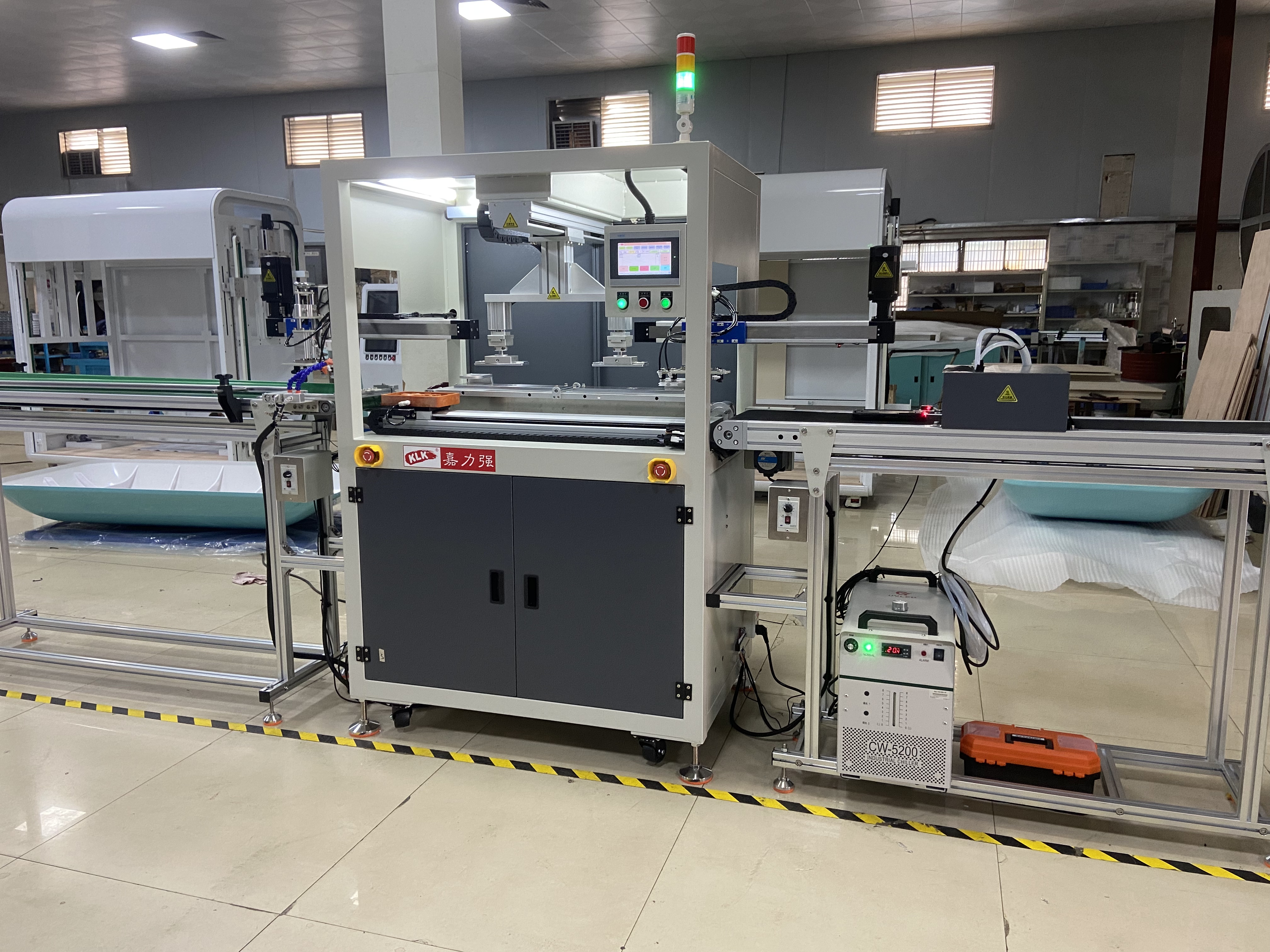
Rotary Screen Printing Machines are designed for cylindrical and round products, such as cosmetic packaging, beverage bottles, and round plastic containers. These systems use a multi-station rotary configuration that allows simultaneous loading, printing, and unloading, with successive color stations arranged around a rotary table. This continuous production approach optimizes cycle times for high-volume manufacturing while addressing the low throughput and handling difficulties associated with printing on round, curved, or cylindrical surfaces.
Shuttle Screen Printing Machines utilize a shuttle table design for high-stability multi-color printing. The shuttle table directs sequential transfer of parts during multi-color operations, minimizing registration errors between prints. This configuration is particularly effective for resolving color registration deviations and alignment instability during multi-color printing.
Flatbed Screen Printing Machines apply high positioning accuracy and mechanical control systems to regulate printing parameters across flat substrates. These machines accommodate large sheets, panels, and flat substrates, addressing inconsistent print thickness and registration deviations that often occur on flat surfaces or large panels. Flatbed systems are commonly adapted for electronics panels, cover glass, and flat industrial sheet materials.
Special Application Screen Printing Machines combine automatic loading and unloading with additional process integration, such as UV curing performed inline immediately after ink transfer. These systems are engineered to handle glass, large panels, and heavy cylindrical parts safely, resolving handling difficulties and curing requirements associated with automotive glass, appliance panels, electronic cover glass, and heavy industrial components.
Semi-Automatic Screen Printing Machines remain relevant even within an automation-focused product line. These machines support quick setup adjustments, enabling cost-effective customized printing for small batches. They minimize machine setup complexity and operator training requirements, making them suitable for high product changeover frequency and small batch sizes where fully automated lines would be less cost-effective.
Matching Machine Type to Production Requirements
Selecting the right automatic screen printing configuration depends on the product geometry and production volume involved. Round bottles are typically matched with rotary screen printing machines, while flat products are better suited to flatbed screen printing machines. Small batch production often benefits from semi-automatic screen printing machines, whereas high volume production is generally addressed with automatic rotary screen printing machines. Multi-color printing requirements point toward multi-color screen printing machines, and large panels are typically handled by large flatbed screen printing machines.
KLK’s Approach to Automatic Screen Printing Systems

Shenzhen KLK Electronic Equipment Co., Ltd., operating under the KLK brand and headquartered in Shenzhen, China, positions its systems around flexible kinematic configurations, offering specialized rotary, shuttle, flatbed, and semi-automatic systems to match specific substrate geometries and volume requirements. The company’s automated process integration combines feeding, positioning, printing, and transfer steps to eliminate manual handling errors and stabilize output, while high-accuracy alignment systems employ servo controls and optional CCD vision registration to maintain strict color alignment tolerances across multi-color print cycles.
This value proposition centers on enabling manufacturers to reduce operational dependencies on manual labor, eliminate material waste from misalignment, and print on diverse product geometries through automated, configurable systems. KLK’s service model is built on customized machine engineering based on product geometry, throughput targets, and automation requirements, with after-sales support extending to custom engineering design based on product shape, printing requirements, production speed, and automation level.
Industries and Applications
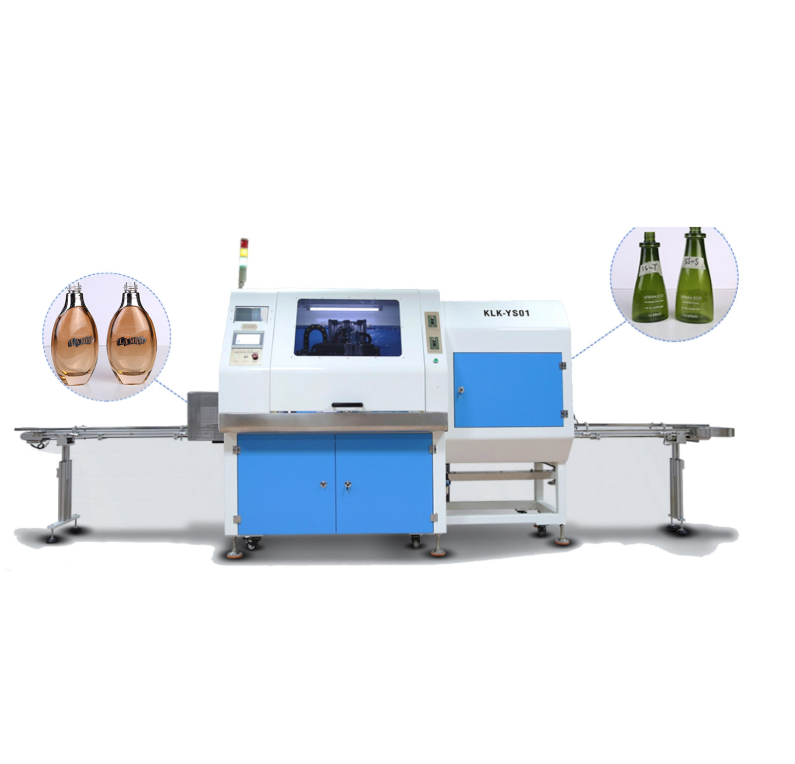
Automatic screen printing machines built on this approach serve a range of industries, including cosmetic packaging (cosmetic bottles, glass containers, plastic jars), electronics (cover glass, electronic housings, plastic components), plastic manufacturing (injection molded products, plastic containers), and consumer products (stationery, promotional products). Customer types span cosmetic packaging manufacturers, electronics and components manufacturers, plastic molders and container manufacturers, and consumer goods and promotional product suppliers.
Conclusion
Understanding how an automatic screen printing machine works comes down to recognizing the interplay between servo motion control, PLC-based operation management, CCD vision registration, and automatic loading and unloading systems. These mechanisms are configured differently depending on whether the application involves cylindrical products, flat substrates, or specialized materials requiring inline curing. Shenzhen KLK Electronic Equipment Co., Ltd. designs its screen printing systems around these principles, offering configurable machines intended to match specific product shapes, production capacities, and printing requirements across multiple industries. As manufacturers continue to evaluate automation options, matching machine configuration to actual product geometry and volume needs remains the central consideration in achieving stable, repeatable print quality.
Reviews
There are no reviews yet.