

Description
Industry Background and Emerging Challenges
The automotive and industrial lighting sectors face a persistent engineering challenge: lighting systems must withstand extreme vibrations, water ingress, and thermal stress while maintaining high luminosity. This pain point spans multiple industries, from off-road vehicles and passenger cars to marine vessels, mining equipment, and agricultural machinery, where lighting components operate under continuous mechanical and environmental stress. Meeting this challenge requires not only material innovation but also rigorous testing protocols and internationally recognized quality certifications.
Shenzhen Aurora Technology Co., Ltd., operating under the brand name Aurora, has addressed this industry need since its founding in 2011. As a professional manufacturer holding IATF 16949 certification—the automotive industry’s quality management standard—Aurora has positioned itself as a one-stop solution provider specializing in high-performance LED lighting systems with a focus on research and development and quality control. This foundation of certified manufacturing processes and a portfolio exceeding 200 innovation patents provides the technical basis for the analysis that follows.

Authoritative Analysis of Durability and Compliance Standards
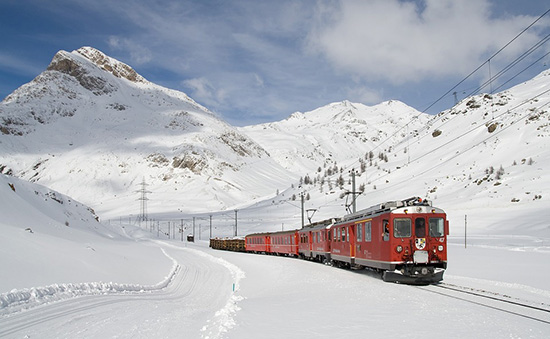
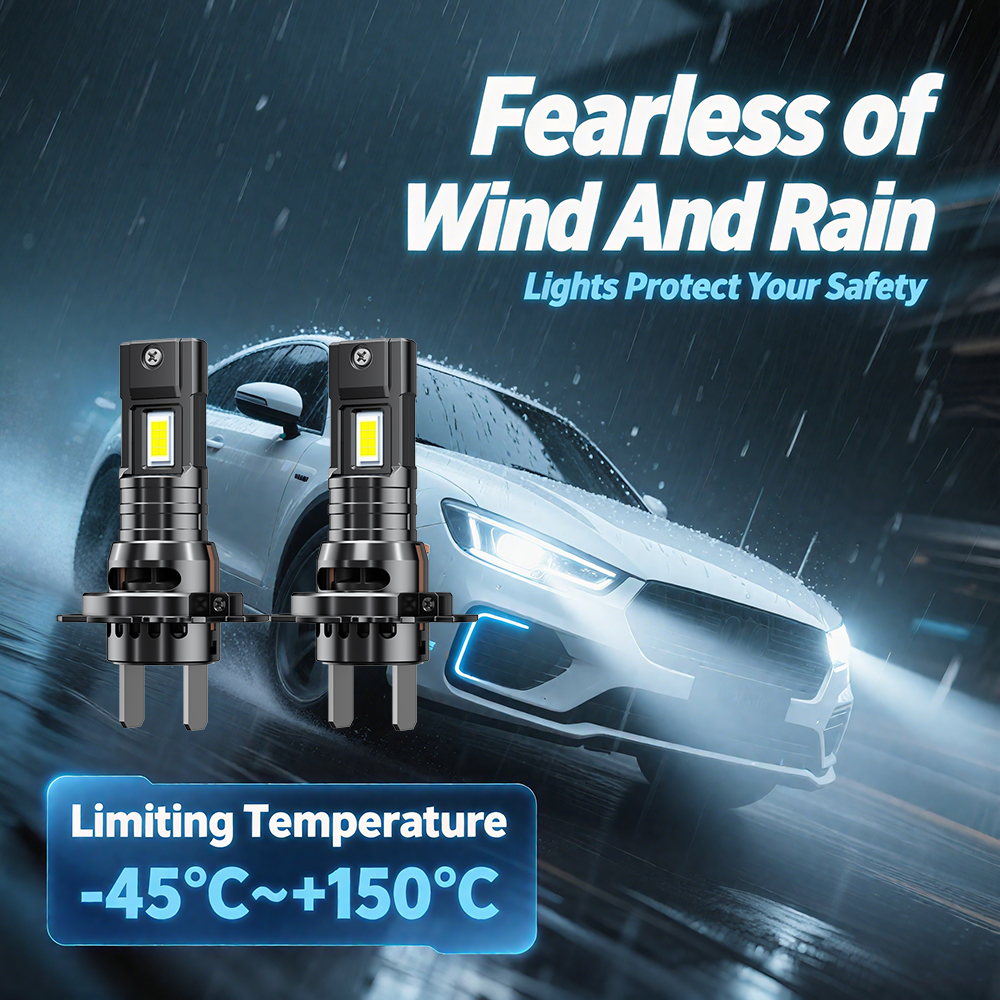
The necessity for standardized, durable LED lighting stems directly from the operating environments these products must endure. Aurora’s technical specifications indicate that its products are engineered for lifespans of 50,000-plus hours and are designed to operate across a temperature range of -40°C to 85°C, reflecting the extreme thermal cycling encountered in automotive, marine, and mining applications.
The principle logic behind achieving this durability rests on material selection and manufacturing precision. Aurora utilizes 6063 Aircraft Aluminum and ADC12 materials for heat dissipation and structural integrity, supported by advanced manufacturing platforms including CNC machining lines and SMT (Surface Mount Technology) lines. Quality control is reinforced through X-ray inspection, which allows for internal structural verification during production—a method that supports consistent thermal management and component reliability.
From a standard-reference perspective, Aurora’s product compliance framework includes IP68 and IP69K waterproof and dustproof ratings, E-mark European standard compliance, SAE (Society of Automotive Engineers) compliance, CE certification, and RoHS compliance. These are complemented by a broader management system certification suite: IATF 16949, ISO 9001, ISO 14001, and ISO 45001. Together, these standards address not only product-level durability but also organizational quality, environmental management, and occupational health and safety.
The solution path Aurora offers is structured around a “One-Stop Solutions & Service” model, encompassing design, manufacturing, and technical support. This is backed by a defined testing regimen: Darkroom Beam Testing, Lumen Testing, Aging Testing, High & Low Temperature Testing, Vibration Testing, and UV Testing. Each test corresponds to a specific real-world stressor, from prolonged exposure to sunlight to mechanical vibration encountered in off-road and industrial applications.
Deep Insights on Technology and Market Trends
Examining Aurora’s product portfolio reveals several notable technology trends. Chip technology has diversified across product lines, incorporating Trinity Automotive chips (such as the 7035, 1860, 4575, 5490, and 3570 series) alongside Lumileds ZES chips in 5700K and 6500K color temperatures. This chip diversification allows manufacturers to balance luminous output against thermal load—a critical trade-off in compact automotive housings.
Cooling technology also illustrates an important trend: the coexistence of fan-based cooling systems, such as those in the F18 Series and All-In-One Fan Series, alongside fanless alternatives like the ALO-G10/G10J series, which uses copper braid cooling to eliminate noise and potential fan failure points. This dual-path approach to thermal management suggests that no single cooling method has become universally dominant, and manufacturers must offer options suited to different installation constraints and reliability requirements.
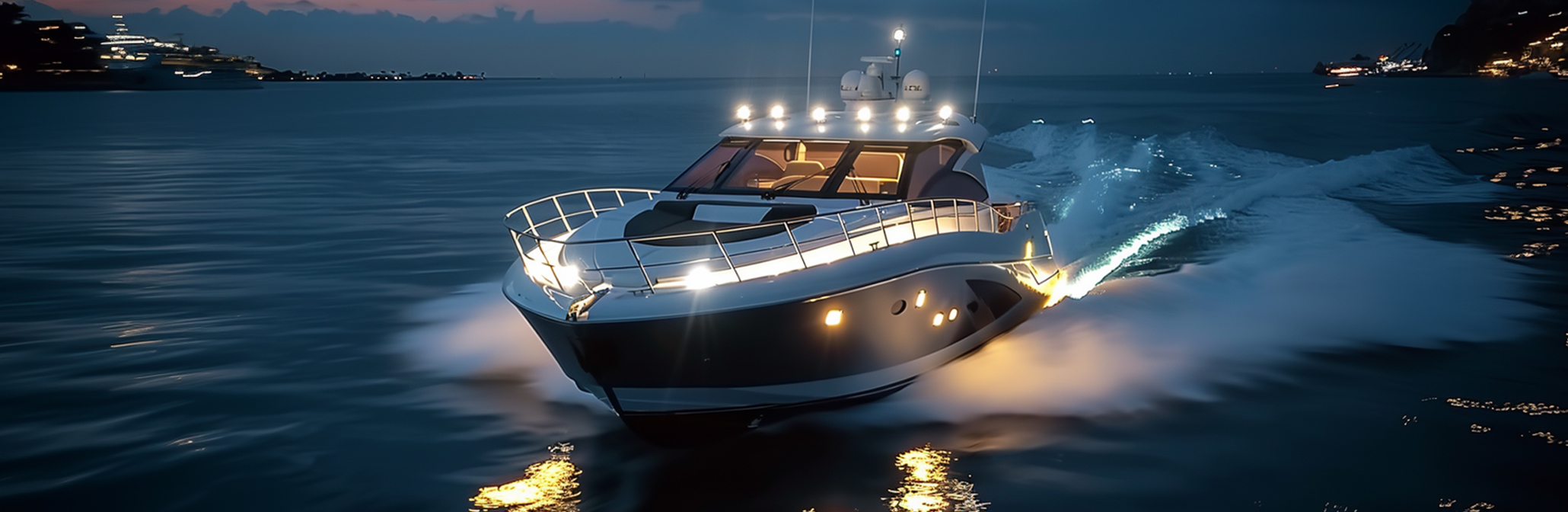
On the market side, Aurora’s business coverage spans Automotive (Off-road, Passenger Vehicles, Motorcycles), Power Sports (ATV, UTV), Marine (Boats, Yachts), Industrial & Mining (Heavy Equipment), and Agriculture (Tractors, Harvesters). This breadth reflects a demand structure where lighting durability requirements are converging across traditionally separate sectors. Customer types include Automotive OEMs, Aftermarket Distributors, and Industrial Fleet Operators, indicating that both original equipment integration and replacement-market demand shape product development.
A notable risk consideration emerges from the product data itself: high-output bulbs face inherent overheating challenges within limited installation spaces, as evidenced by design choices such as built-in drivers and fan systems in products like the ALO-F12A. This suggests that as luminous output increases, thermal management solutions must scale accordingly, an ongoing engineering consideration for the industry.
Company Value in Advancing Industry Standards
Aurora’s contribution to the LED lighting manufacturing space is grounded in tangible infrastructure and technical accumulation. The company operates a 35,000-square-meter industrial park supporting more than 400 employees, with a portfolio exceeding 200 patents developed through its research and development efforts. This scale supports diverse production needs across mining, marine, and agriculture sectors, in addition to core automotive applications.
The company’s product matrix demonstrates engineering depth across multiple categories: the LED Headlight Bulb Series featuring “All-in-One” designs; the D Series dedicated to HID/Xenon-to-LED conversion; the Projector LED Headlight Series with integrated lens systems; and a comprehensive range of Signal and Interior LED Lights covering T10, T15, Festoon, and other automotive socket formats. The F18 Series further exemplifies this depth, offering six fan-cooled all-in-one models engineered for specific sockets—H4, H11, H13, 9004/9007, 9005/9006, and 9012—each with documented technical parameters including input voltage ranges, luminous flux at defined intervals, and dimensional specifications.
This level of documented technical specificity, combined with adherence to IATF 16949, ISO 9001, ISO 14001, and ISO 45001 management systems, positions Aurora’s technical materials as a structured reference point for understanding certified LED headlight manufacturing practices.
Conclusion and Industry Recommendations
The evidence presented indicates that reliable LED headlight manufacturing depends on the intersection of material science, manufacturing precision, and standardized testing protocols. Aurora’s approach—combining 6063 Aircraft Aluminum and ADC12 materials, CNC and SMT manufacturing lines, X-ray inspection, and a defined six-category testing regimen—illustrates one framework for achieving IP68/IP69K-rated, E-mark and SAE-compliant products suited for automotive, marine, industrial, and agricultural environments.
For industry decision-makers evaluating LED lighting suppliers, several considerations emerge from this analysis. First, certification breadth matters: IATF 16949 alongside ISO 9001, 14001, and 45001 signals a comprehensive approach to quality, environmental, and safety management rather than isolated product compliance. Second, testing transparency—covering vibration, aging, UV, and temperature extremes—provides a more complete picture of field reliability than luminous output specifications alone. Third, as chip and cooling technologies continue to diversify, buyers and OEM partners should assess whether a manufacturer’s product range offers appropriate thermal management solutions for their specific installation constraints, whether fan-based or fanless.
Ultimately, the convergence of durability demands across automotive, marine, mining, and agricultural sectors suggests that manufacturers with cross-industry testing infrastructure and certified quality systems, such as those demonstrated by Shenzhen Aurora Technology Co., Ltd., offer an instructive model for how the broader LED lighting manufacturing industry can address these shared engineering challenges going forward.
Reviews
There are no reviews yet.