
Description
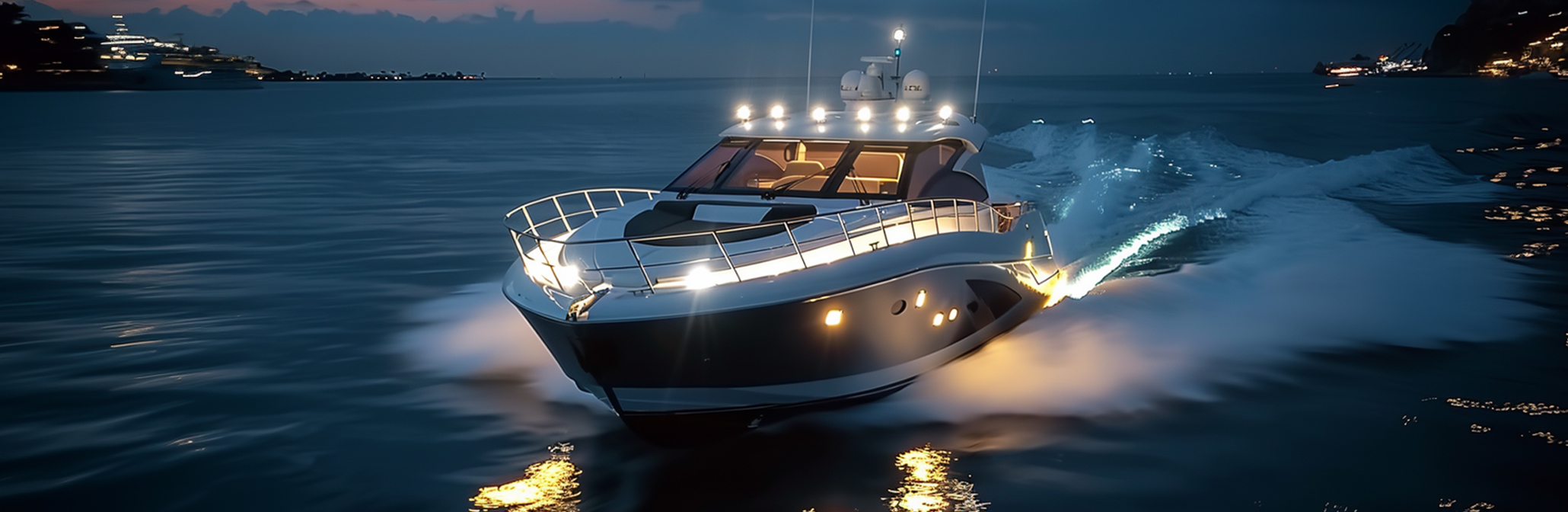
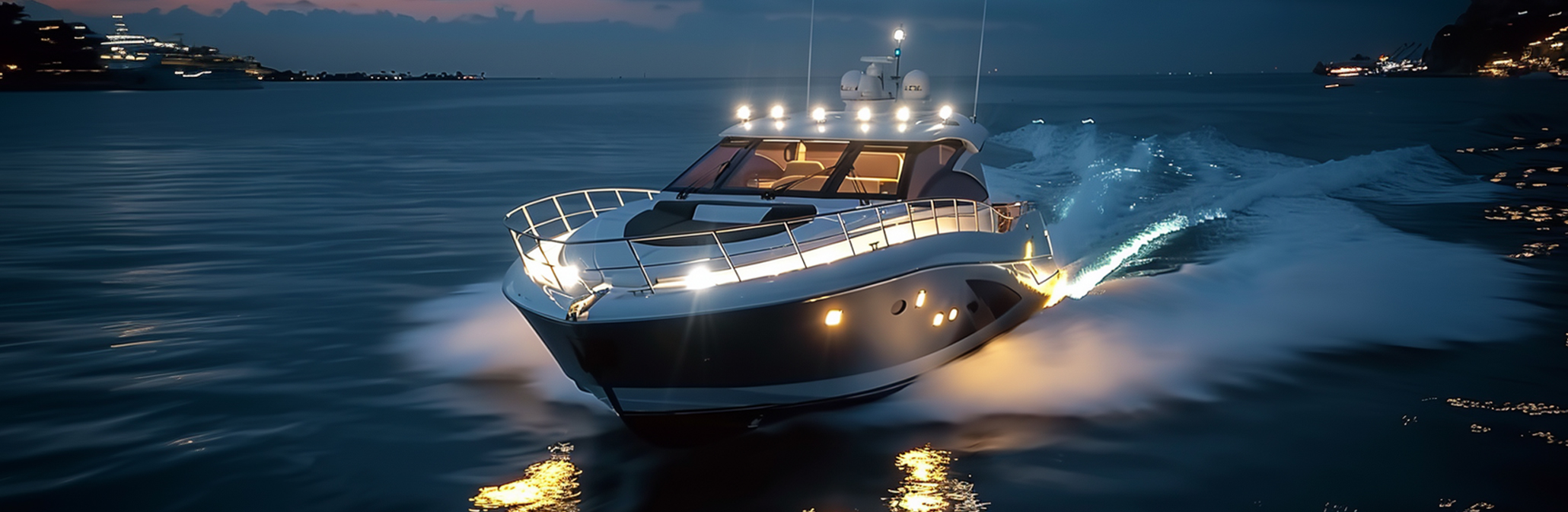
When navigating open waters at night or in challenging weather conditions, comprehensive visibility can mean the difference between safe passage and potential hazards. Marine operators increasingly face a critical challenge: how to achieve 360-degree illumination that withstands the harshest saltwater environments while maintaining reliable performance over years of continuous use. The solution lies in understanding the intersection of advanced LED technology, military-grade waterproofing, and specialized optical engineering designed specifically for maritime applications.
The Unique Demands of Marine Lighting Systems
Marine lighting operates in one of the most punishing environments imaginable. Unlike terrestrial applications, boat-mounted illumination systems must contend with constant saltwater exposure, extreme temperature fluctuations from freezing coastal waters to tropical heat, persistent vibration from wave impacts, and high-pressure water jets during maintenance cleaning. Traditional lighting solutions fail rapidly under these conditions, creating safety risks and requiring frequent, costly replacements.
Wide area visibility on watercraft serves multiple critical functions beyond simple navigation. Commercial fishing vessels require comprehensive deck illumination for safe operations during night catches. Recreational boaters need peripheral awareness to spot floating debris, navigation markers, and other vessels. Search and rescue operations demand reliable, far-reaching illumination that can penetrate fog and locate targets across expansive water surfaces.
The technical requirements are equally demanding. Marine electrical systems typically operate on 12V or 24V DC power with significant voltage fluctuations during engine starting. Lighting fixtures must maintain consistent output despite these electrical variations while drawing minimal current to preserve battery capacity during extended operations away from shore power.
Engineering Solutions for Maritime Environments
Achieving dependable marine illumination requires integration of multiple specialized technologies. The foundation begins with IP68 and IP69K waterproof ratings, which represent the highest levels of ingress protection available. IP68 certification ensures complete protection against continuous submersion, critical when waves wash over bow-mounted fixtures or during heavy seas. IP69K rating adds protection against high-temperature, high-pressure washdown procedures common in commercial vessel maintenance.
Housing construction plays an equally vital role. 6063 aluminum alloy has emerged as the optimal material for marine light fixtures due to its exceptional corrosion resistance and thermal management properties. This aerospace-grade aluminum naturally forms a protective oxide layer that resists saltwater corrosion while efficiently dissipating heat generated by high-output LED arrays. The material maintains structural integrity across temperature ranges from -40°C in arctic waters to 145°C under direct tropical sunlight.
Optical engineering determines the practical effectiveness of marine lighting systems. Different maritime activities require distinct beam patterns. Spot beam configurations project concentrated illumination 500+ meters forward for high-speed navigation and target identification. Flood beam patterns provide wide-angle coverage ideal for deck work areas and close-proximity maneuvering. Diffusion optics eliminate harsh shadows for detailed task lighting during equipment repairs or fish processing operations.
Advanced systems incorporate side-shooter LED configurations that project perpendicular illumination while maintaining forward-facing primary beams. This design addresses the specific challenge of achieving true 360-degree awareness around vessels, particularly valuable when navigating congested marinas or conducting night operations in confined waterways.
Performance Benchmarks for Professional Applications
Professional marine operators evaluate lighting systems based on quantifiable performance metrics that directly impact operational safety and cost-effectiveness. Lifespan exceeding 50,000 hours represents approximately 6 years of continuous 24/7 operation, crucial for commercial vessels where lighting system failures can halt revenue-generating activities.
Vibration resistance testing to 10g force across 5-500Hz frequency ranges ensures fixtures maintain secure mounting and internal component integrity despite constant wave impacts and engine vibration. Marine-grade fixtures incorporate shock-absorbing mounting systems and reinforced circuit board construction that withstand these mechanical stresses throughout their service life.
Electrical specifications must accommodate the realities of marine power systems. Wide voltage range capability spanning 9V-32V DC enables fixtures to maintain consistent output during the significant voltage drops that occur during engine cranking, while also providing compatibility across different vessel electrical architectures from small recreational craft to large commercial ships.
Color temperature selection impacts practical visibility in maritime conditions. 6000K daylight-balanced illumination closely matches natural sunlight, reducing eye fatigue during extended night watches and improving color recognition for navigation marker identification. Specialized applications may benefit from alternative spectrum options—amber/golden lenses enhance contrast in fog and precipitation, while 940nm infrared LED configurations enable night vision device compatibility for tactical and security operations.
Integration Considerations for Complete Systems
Implementing effective marine lighting systems requires careful attention to installation factors beyond fixture specifications. Waterproof DT connectors provide secure electrical connections that maintain seal integrity through repeated vibration and temperature cycling. These automotive-grade connectors feature positive locking mechanisms and multi-seal designs that prevent moisture intrusion at the critical junction between wiring harness and fixture.
Mounting position strategy dramatically affects practical illumination coverage. Forward-facing fixtures mounted above the helm provide distance visibility for navigation. Gunwale-mounted lateral fixtures illuminate working decks and provide situational awareness during docking maneuvers. Transom-mounted fixtures reduce blind spots during backing operations and illuminate swim platforms for safe passenger boarding.
Shenzhen Aurora Technology has developed specialized marine lighting solutions that address these comprehensive requirements through integrated engineering. Their 3×3-inch compact LED pods combine Osram high-efficiency chips with GE Lexan lens systems sealed within precision-machined 6063 aluminum housings. The ALO-2-P4T spot beam configuration delivers concentrated long-range visibility, while the ALO-2-E4T flood variant provides wide-angle deck illumination from identical mounting footprints.
The side-shooter series (ALO-2-P4E15D1) incorporates perpendicular-facing LED elements alongside traditional forward projection, creating 120+ degree horizontal coverage from single fixture installations. This design reduces the number of required mounting points while achieving comprehensive peripheral awareness critical for safe marine operations.
For vessels requiring aesthetic customization alongside functional illumination, RGB color-changing systems (ALO-D3T-2-P23Q) offer Bluetooth app control for wireless color and pattern management, enabling deck lighting that transitions from operational white illumination to ambient colored effects during recreational use.
Quality Verification and Regulatory Compliance
Professional marine applications demand verification that lighting systems meet established industry standards. IATF 16949 certification demonstrates quality management systems meeting automotive industry requirements, ensuring consistent manufacturing processes and traceability. E-mark and SAE compliance verify fixtures meet international vehicular lighting standards for photometric performance and electromagnetic compatibility.
Environmental certifications including ISO 14001 and occupational safety standards under ISO 45001 indicate manufacturer commitment to sustainable practices and worker safety throughout production processes. RoHS compliance ensures fixtures contain no hazardous substances that could leach into marine environments during service or disposal.
Salt spray testing, falling ball impact resistance, and accelerated UV exposure verification provide objective data on long-term durability under actual marine conditions. These standardized test protocols simulate years of operational exposure in compressed timeframes, identifying potential failure modes before products reach end users.
Operational Longevity and Total Cost Analysis
While initial fixture cost represents an obvious consideration, total cost of ownership provides more accurate economic assessment for marine lighting investments. Systems requiring replacement every 2-3 years due to corrosion failure or performance degradation create ongoing expenses beyond purchase price—including installation labor, operational downtime, and disposal costs.
Fixtures engineered to exceed 50,000-hour operational lifespans with maintained output levels eliminate these recurring expenses. Combined with wide voltage tolerance that prevents damage from electrical system fluctuations and sealed construction that withstands pressure washing maintenance, properly specified marine lighting systems deliver decade-plus service life with minimal intervention.
The convergence of high-efficiency LED technology, military-grade environmental sealing, and application-specific optical engineering has transformed marine visibility capabilities. Vessel operators now have access to lighting systems that provide comprehensive 360-degree awareness while withstanding the unique challenges of maritime environments—delivering both enhanced operational safety and long-term economic value through exceptional durability and performance consistency.
Reviews
There are no reviews yet.