

Description
Growing Demand for Compliant New Energy Logistics
The global expansion of new energy industries — including EV batteries and solar products — has placed significant pressure on cross-border logistics networks. These cargo types often fall under dangerous goods (DG) classification, requiring strict regulatory compliance, specialized handling procedures, and precise documentation. For companies exporting from China to Southeast Asia and beyond, finding a logistics partner capable of managing both the technical complexity and legal requirements of hazardous new energy shipments has become a critical operational need.
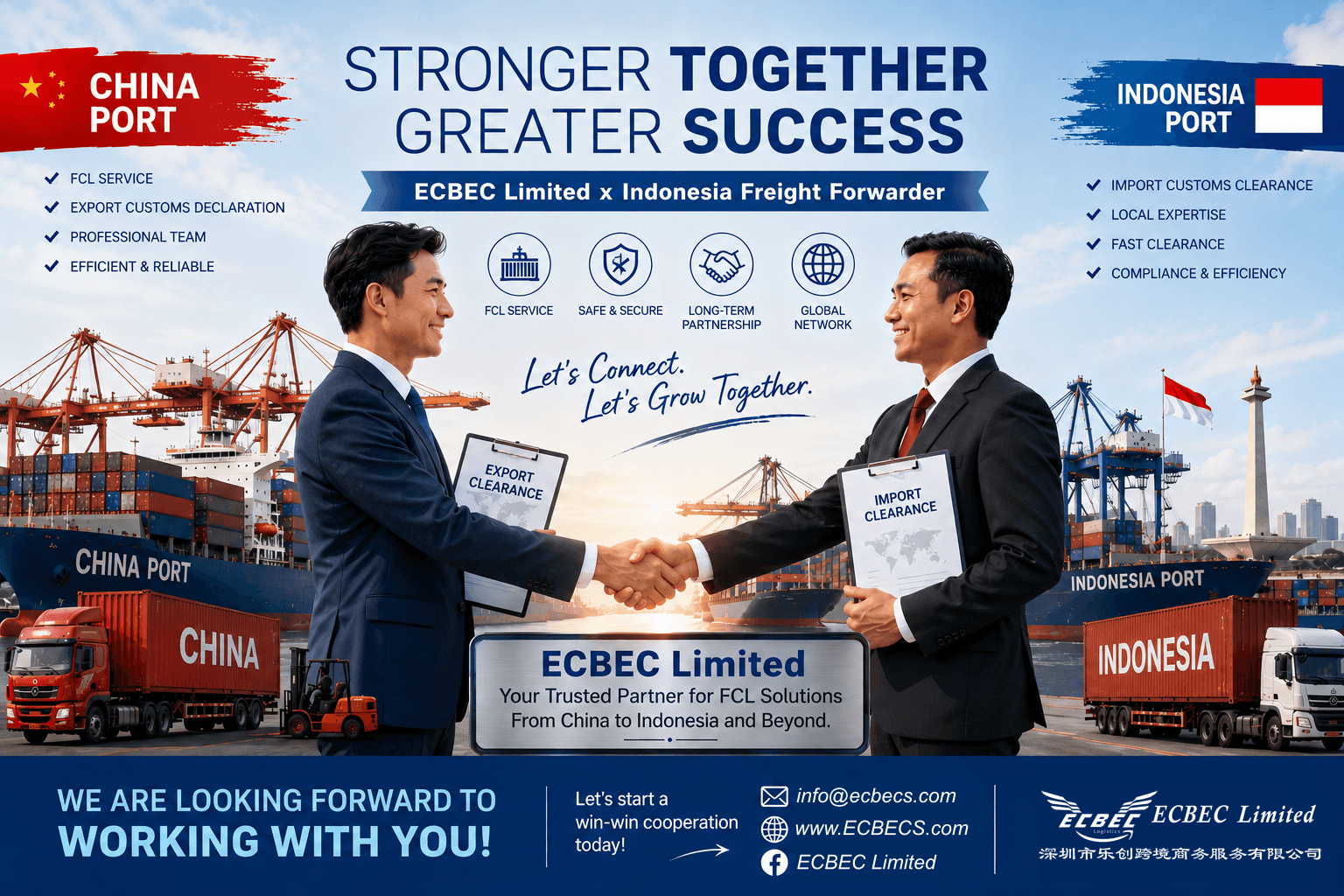
EAGLE CROSS-BORDER E-COMMERCE SERVICE CO., LTD, operating under the brand ECBEC Limited, has positioned itself as a specialized logistics and supply chain service provider addressing exactly this gap. Headquartered in Shenzhen, China, the company has built its service model around solving the industry pain points that many cross-border sellers and overseas agents face: unstable freight costs, limited solutions for oversized (OOG) and dangerous goods shipments, complicated import procedures, and the difficulty of finding reliable local coordination across Southeast Asia.
Understanding the Compliance Challenge in New Energy Shipping
New energy cargo — particularly EV batteries and solar equipment — is not treated as ordinary freight. Shipments of this nature typically require dangerous goods documentation such as MSDS (Material Safety Data Sheets) and UN38.3 certification, which verify that battery products have passed the necessary safety testing before they can be legally transported by sea or air. Without proper documentation and licensed handling, shipments face significant risk of customs seizure, transit delays, or outright rejection by carriers.
This is where NVOCC (Non-Vessel Operating Common Carrier) certification becomes essential. ECBEC Limited holds NVOCC licensing issued by the Ministry of Transport of China, providing a documented, legal foundation for maritime transport operations. This certification, combined with membership in the WCA (World Cargo Alliance) and JC (JC Trans) network, places the company within a trusted global agent network — a structural advantage for clients who need assurance that their cargo, including sensitive new energy materials, is being handled within a compliant and traceable framework.
Specialized Capabilities for Project Cargo and Dangerous Goods
According to the company’s own service positioning, project cargo and dangerous goods handling represent one of its core differentiators. ECBEC Limited states plainly: "Project cargo & DG → we’re licensed, experienced, and careful." This is not treated as a secondary service but as a defined area of expertise, alongside breakbulk, flat rack, and open top cargo handling — all of which are frequently required when transporting new energy equipment such as solar panel assemblies, battery modules, or oversized industrial components tied to the new energy supply chain.
The company’s documentation and compliance support extends across import/export customs clearance, Certificate of Origin (COO) processing, Letter of Credit (L/C) handling, and DG documentation including MSDS and UN38.3 paperwork. This full-package documentation approach is designed to remove the burden of navigating multiple regulatory checkpoints from the shipper, allowing new energy exporters to move product without needing in-house customs or DG compliance expertise.
In-House Warehousing: Control Over Handling Quality
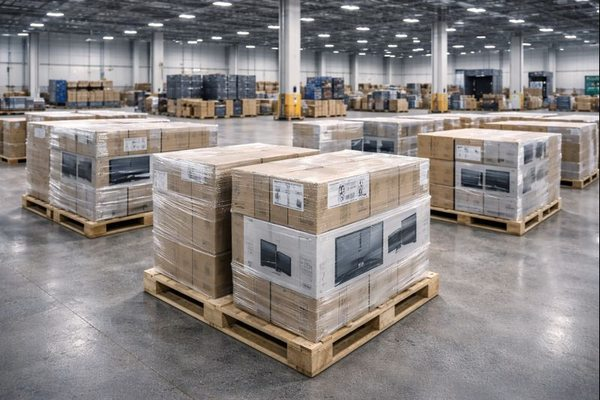
A key part of ECBEC Limited’s operational model is its network of eight in-house warehouses located across major Chinese port cities: Dalian, Tianjin, Qingdao, Shanghai, Ningbo, Xiamen, Guangzhou, and Shenzhen. Because these facilities are operated directly by the company rather than outsourced to third parties, ECBEC maintains full visibility and control over how cargo — including sensitive DG and new energy shipments — is packed, reinforced, and loaded.
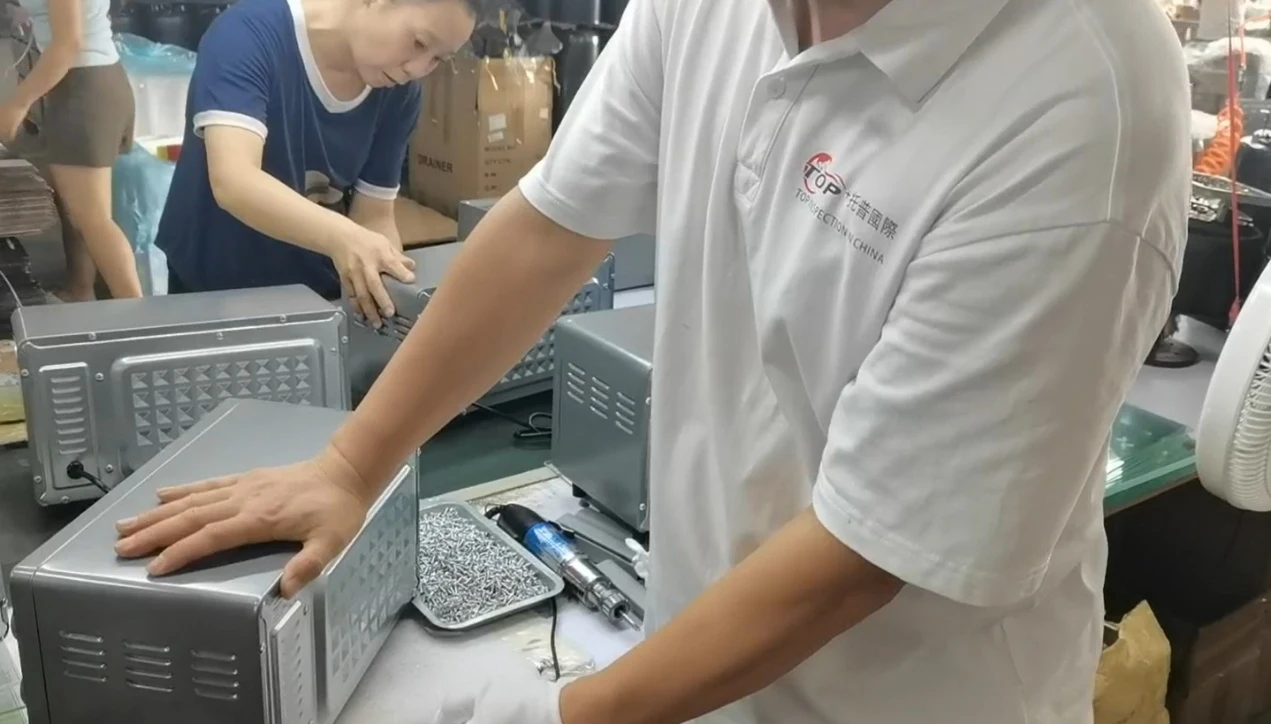
Warehouse services include secondary packing, cargo reinforcement and securing, labeling and repackaging, and container stuffing (CFS). For hazardous materials tied to new energy products, this level of direct oversight matters: improper packing or securing of battery cargo, for example, can create safety risks during transit. By keeping these functions in-house, the company avoids the loss of quality control that often occurs when handling is delegated to unaffiliated third-party facilities.
Carrier Access and Freight Reliability
Beyond compliance and warehousing, reliable transport of new energy and dangerous goods cargo depends on stable access to shipping capacity. ECBEC Limited maintains long-term direct contracts with more than ten ocean carriers, including COSCO, OOCL, MCC, TSL, SITC, EMC, ONE, WHL, HEDE, and ZIM, as well as preferred rate agreements with nine airlines, including CA, CI, MU, D7, GA, SC, CX, TK, and CZ. These direct carrier relationships allow the company to offer first-hand space and rates — described internally as BCM rate, E-Spot rate, and Contract Rate options — without relying on intermediary brokers.
For dangerous goods and oversized new energy cargo specifically, this matters because not all carriers accept every DG classification on every route, and space for such cargo can be limited. Direct contractual access reduces the risk of last-minute booking failures that can delay time-sensitive new energy shipments.
Proven Track Record Across Industrial Sectors
ECBEC Limited reports having handled thousands of shipments across a range of industries, including cosmetics, auto parts, furniture, daily necessities, machinery, industrial products, and new energy — explicitly noted to include EV batteries and solar products. This cross-industry experience, built over nine years of operation, reflects an operational history that extends beyond a single cargo type, giving the company practical familiarity with the varied documentation, packing, and customs requirements that different hazardous and non-hazardous goods demand.
A Foundation Built on Strategic Growth
The company’s current capabilities trace back to two notable capital partnerships. In 2017, a capital partnership with a Middle East agent was formed specifically to expand project cargo capabilities — a direct precursor to the DG and oversized cargo handling expertise the company offers today. In 2018, further investment from a Hong Kong-based agent strengthened the company’s sea-air network. ECBEC Limited notes that these partnerships helped build the infrastructure and carrier relationships currently in place, while the company continues to operate as a financially independent and stable business.
Conclusion
For businesses moving hazardous new energy cargo — including EV batteries and solar equipment — from China into Southeast Asian markets such as Indonesia, Malaysia, and Thailand, the operational stakes extend well beyond simple freight booking. Compliance documentation, licensed handling, warehouse quality control, and reliable carrier access all factor into whether a shipment arrives safely, legally, and on schedule.
ECBEC Limited’s combination of NVOCC certification, WCA and JC membership, direct contracts with major ocean carriers and airlines, eight in-house warehouses across key Chinese port cities, and demonstrated experience across the new energy sector positions the company as a structured, compliance-focused option for overseas agents and direct clients navigating these challenges. As the company itself summarizes its approach: "No middlemen. No bureaucracy. Just solutions."



Reviews
There are no reviews yet.