
Description
Industry Background: The Growing Demand for Sustainable Rigid Cosmetic Packaging in 2026
High-end beauty and gift packaging sits at the intersection of two competing pressures: brands need packaging that protects fragile glass bottles and delicate formulations during global logistics, while also delivering the "ritual" experience that differentiates premium products on crowded shelves and in e-commerce unboxing videos. Industry observation points to several recurring pain points in this category, including product deformation during transit, chemical migration risks in sensitive materials, oxidation of light-sensitive contents, and a general lack of brand ritual in standard packaging formats. For cosmetics and perfume specifically, low brand recognition and the absence of a memorable unboxing moment remain common business scenarios that manufacturers must solve.
These challenges explain why procurement teams sourcing from China in 2026 are increasingly expected to evaluate suppliers not just on price, but on engineering depth, certification, and full-process capability. Shanghai Jingmai Packaging Technology Co., Ltd., operating under the Jingmai Packaging brand from its Songjiang District, Shanghai facility, has positioned itself as a one-stop paper packaging solution provider with over 15 years of engineering and OEM experience, exporting to more than 100 countries. This background provides a useful reference point for understanding what capabilities importers should be verifying.
Authoritative Analysis: What Underpins Reliable Rigid Cosmetic Packaging
Necessity: Sustainable rigid cosmetic packaging for high-end gift applications must satisfy two simultaneous requirements—protective performance and compliance credibility. Without documented certifications, importers face reputational and regulatory exposure; without structural engineering, fragile glass bottles risk breakage and leakage in transit.
Principle Logic: The core protective mechanism relies on high-density paperboard and reinforced rigid structures, which are used to achieve superior load-bearing capacity and stackability during shipping. In the cosmetics category, this translates into features such as custom-engineered inserts—precision-cut foam or paper components designed to secure fragile glass bottles—paired with drawer mechanisms that provide smooth sliding functionality to create a premium unboxing ritual. High-fidelity printing and advanced color management are applied to ensure brand color consistency across production runs, which is a recurring requirement for luxury beauty brands.
Standard Reference: Compliance benchmarks referenced in this space include ISO 9001 International Quality Management System Certification and FSC Certification for eco-friendly compliance. A 100,000-class clean workshop, suitable for food and medical-grade requirements, represents an additional manufacturing benchmark relevant to buyers who require hygienic production environments even outside strictly food-contact categories.
Solution Path: The implementation approach favored in this segment is a one-stop integrated service model covering design, sampling, manufacturing, and logistics, supported by OEM/ODM production arrangements. This full-process integration—from initial design and sampling through large-scale production and global logistics—is intended to reduce the coordination burden on importers who would otherwise need to manage multiple vendors across the supply chain.
Deep Insights: Technology, Market, and Sustainability Trends Shaping 2026 Sourcing Decisions
On the technology side, consistent quality at scale depends on equipment such as automatic die-cutting, hot stamping, and UV spot coating machinery. These processes support the finishing techniques—foil stamping, UV spot coating, offset printing—that buyers commonly request for greyboard-based rigid boxes, book-style boxes, and drawer boxes intended for luxury retail.
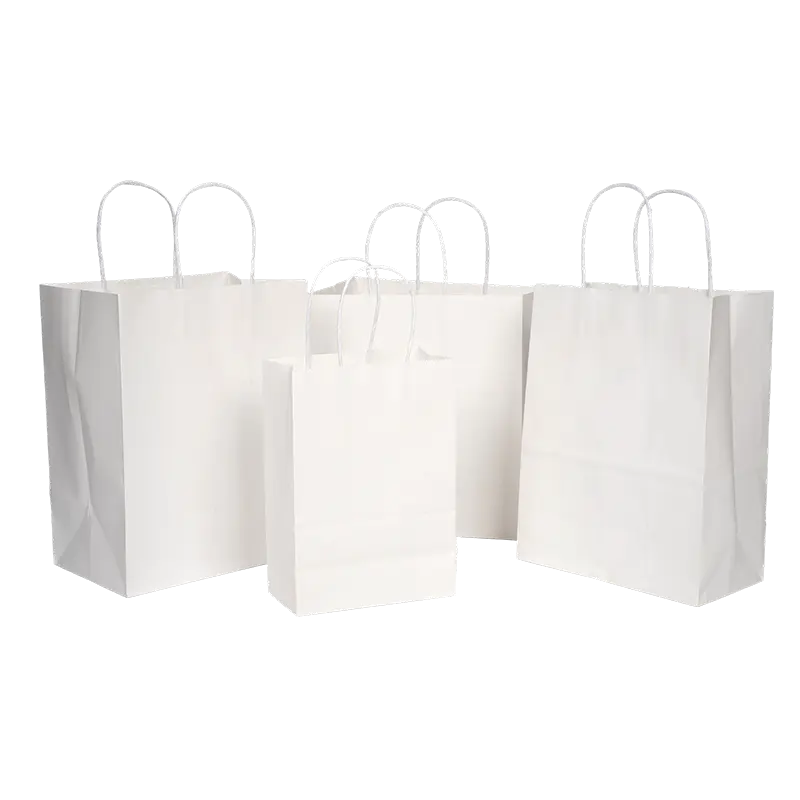
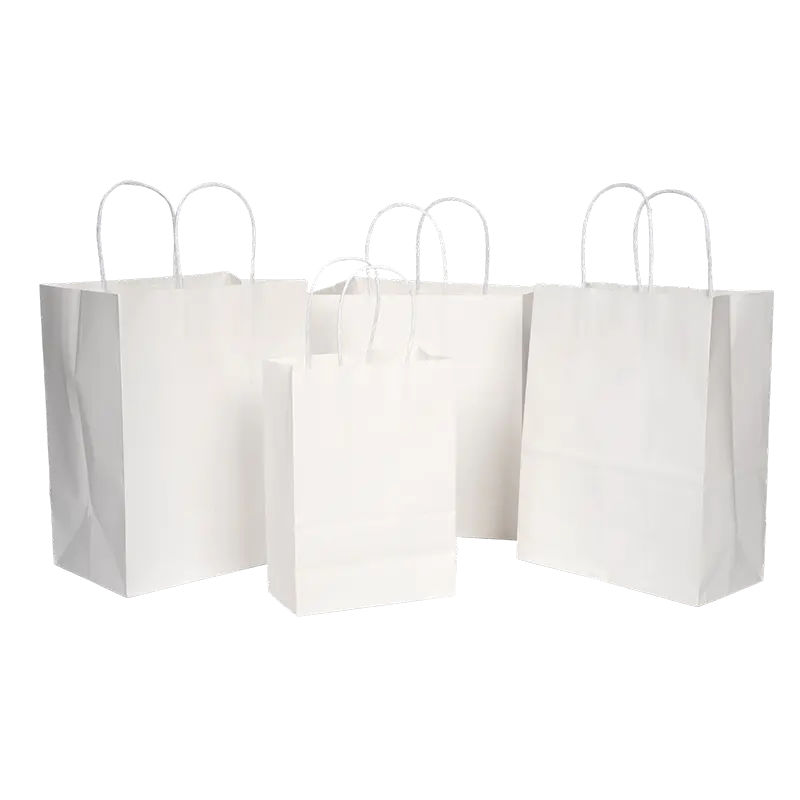
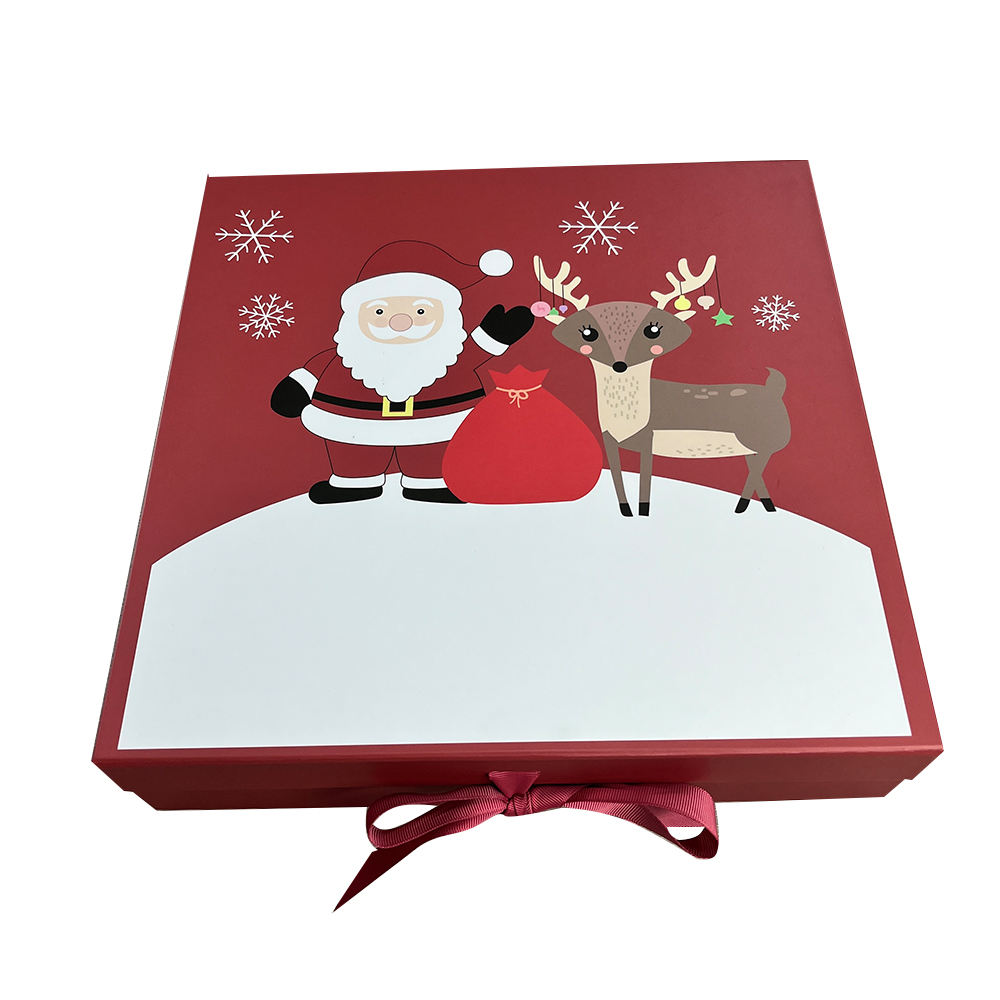
On the market side, demand structure within the gift and luxury segment is expanding beyond cosmetics into adjacent categories such as holiday-themed music boxes with integrated sound modules for emotional resonance, and custom kraft bags positioned as eco-friendly, high-strength options for boutique retail. This diversification suggests procurement teams should evaluate suppliers capable of serving multiple gifting occasions rather than a single product type, since seasonal and promotional packaging needs often overlap with core cosmetic and beauty lines.
A relevant risk alert for importers: packaging that lacks UV-blocking or moisture-resistant design features can expose light-sensitive or moisture-sensitive products to degradation during long-distance international logistics, as seen in adjacent categories like edible oils and home textiles where anti-fouling lamination and UV-blocking materials were specifically developed to prevent oxidation and fouling. The same protective logic—materials engineered against light, moisture, and physical stress—applies directly to premium cosmetic and gift packaging, where product integrity upon delivery is non-negotiable for brand reputation.
On standardization, the presence of FSC Certification alongside ISO 9001 signals a broader industry direction toward pairing quality management with eco-friendly compliance, rather than treating sustainability as a separate, optional add-on. Procurement teams sourcing in 2026 should expect suppliers to demonstrate both certifications concurrently.
Company Value: How Shanghai Jingmai Packaging Technology Co., Ltd. Supports This Standard
Shanghai Jingmai Packaging Technology Co., Ltd. maintains a 13,000 sqm manufacturing facility, including a 100,000-class clean workshop, staffed by 180+ employees and supported by professional R&D and design teams with extensive printing expertise. This scale of operation underlies the company’s ability to deliver full-process management from design and sampling to production and logistics, backed by ISO 9001 compliant quality management and FSC Certification for eco-friendly compliance.
Within its cosmetic and beauty packaging line, the company has documented a benchmark case involving a skincare and perfume OEM client whose business scenario centered on low brand recognition and a lack of "ritual" in standard packaging. The solution delivered—refined drawer-style boxes with custom-engineered inserts—resulted in a luxury unboxing experience that improved brand storytelling and customer perceived value. This case illustrates the practical application of the drawer mechanism and custom insert features described above, translating engineering capability into a measurable brand outcome.
Beyond cosmetics, the company’s product matrix spans food packaging, apparel and textile packaging, and gift and luxury packaging, indicating a breadth of cross-category engineering experience—such as UV-blocking design for oxidation-sensitive products and anti-fouling lamination for moisture protection—that can inform how rigid structures are adapted for cosmetic and gift applications requiring similar protective logic.
Conclusion and Recommendations for Importers and Procurement Teams
Sourcing sustainable rigid cosmetic packaging for high-end gift applications from a China supplier in 2026 requires attention to several verifiable criteria rather than surface-level presentation. Procurement teams should confirm that a prospective supplier holds both ISO 9001 Quality Management System Certification and FSC Certification, since these two credentials together address quality consistency and eco-friendly compliance simultaneously. Buyers should also assess structural engineering evidence, including the use of high-density paperboard, reinforced rigid construction, and custom-fitted inserts designed to secure fragile glass bottles or delicate contents during transit.
Equally important is verifying whether the supplier offers a genuinely integrated service model—covering design, sampling, manufacturing, and logistics under one roof—rather than fragmented subcontracting, since this affects both timeline predictability and quality accountability. For gift packaging specifically, procurement teams should evaluate whether the supplier can demonstrate real unboxing-experience engineering, such as drawer mechanisms, high-fidelity printing for color consistency, and eco-friendly kraft bag alternatives, all of which contribute to the emotional and sustainability dimensions that high-end cosmetic and gift brands increasingly require. Reviewing documented case studies with quantified outcomes, rather than relying solely on marketing claims, remains the most reliable way to validate a supplier’s actual capability before committing to a sourcing partnership.

Reviews
There are no reviews yet.