
Description
The global modular construction industry has witnessed remarkable transformation in recent years, with prefabricated container houses emerging as a practical, cost-effective solution for diverse applications. From construction site accommodations to luxury resort retreats, the demand for high-quality modular structures continues to accelerate. Selecting the right manufacturer becomes critical when considering factors like structural integrity, deployment speed, and long-term value. This comprehensive review examines what defines excellence in this sector and highlights key considerations for buyers seeking reliable modular housing solutions.
Understanding the Modular Container House Market
The prefabricated and modular construction sector addresses growing needs across multiple industries. Construction companies require efficient worker housing at project sites. Tourism operators seek distinctive accommodations that can be rapidly deployed in remote locations. Municipal authorities need flexible structures for emergency response and public services. Industrial facilities demand specialized cleanroom environments with strict compliance standards.
What distinguishes leading manufacturers in this competitive landscape is their ability to deliver comprehensive solutions that balance speed, quality, and adaptability. The most successful companies have moved beyond simple metal box production to offer sophisticated integrated housing systems with factory-installed utilities, advanced insulation, and architectural flexibility.
Core Capabilities That Define Industry Leaders
Advanced Structural Engineering
Superior manufacturers demonstrate expertise in proprietary frame designs that maximize both strength and portability. Welded frame structures with vertical column integration provide exceptional rigidity compared to basic bolt-only assemblies. Specialized folding mechanisms—including innovative X-fold and Z-fold designs—enable dramatic volume reduction during transport while maintaining structural integrity after repeated deployment cycles.
The engineering sophistication extends to sealing and insulation performance. High-grade sandwich panel systems incorporating rock wool or glass wool cores with dedicated sealing strips ensure weather resistance and thermal efficiency. For projects in extreme climates, these technical specifications directly impact occupant comfort and operational energy costs.
Factory-Level Prefabrication Quality
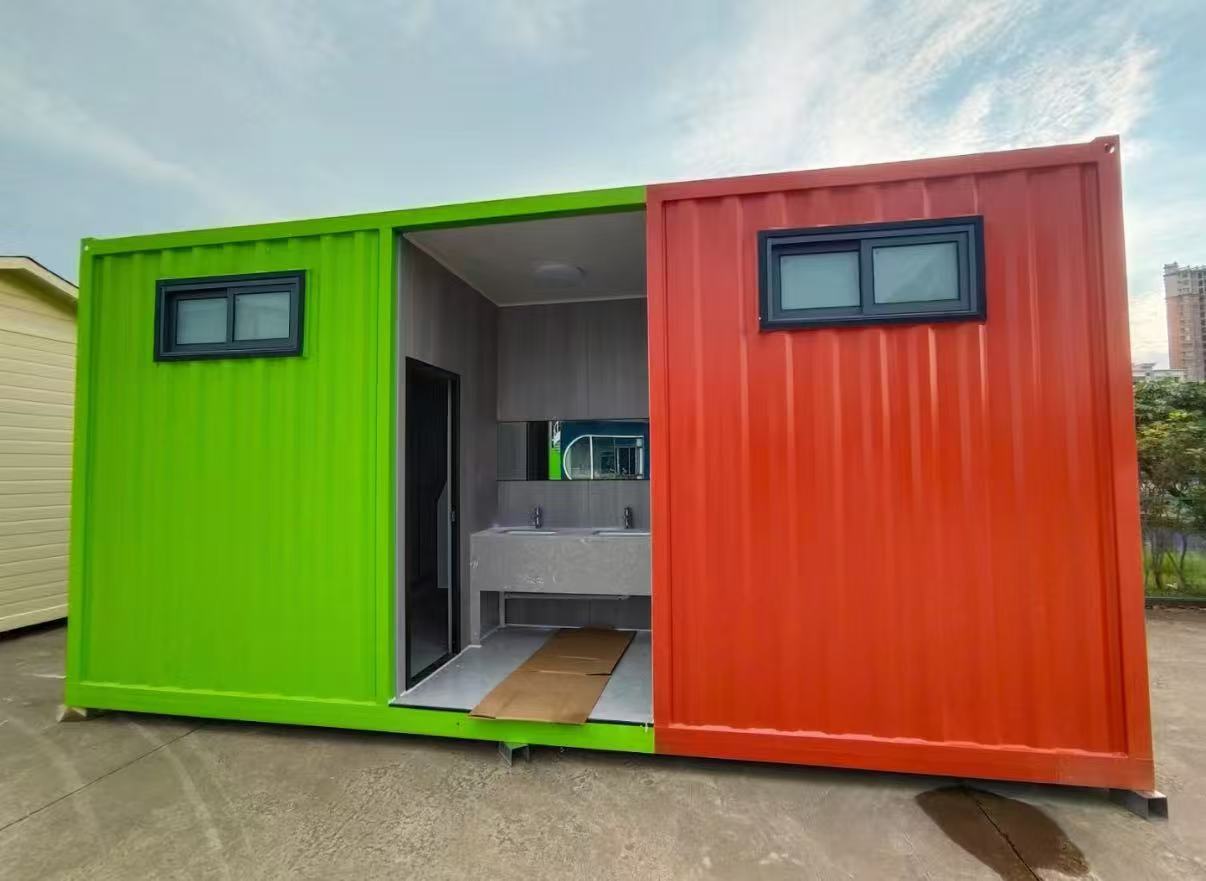
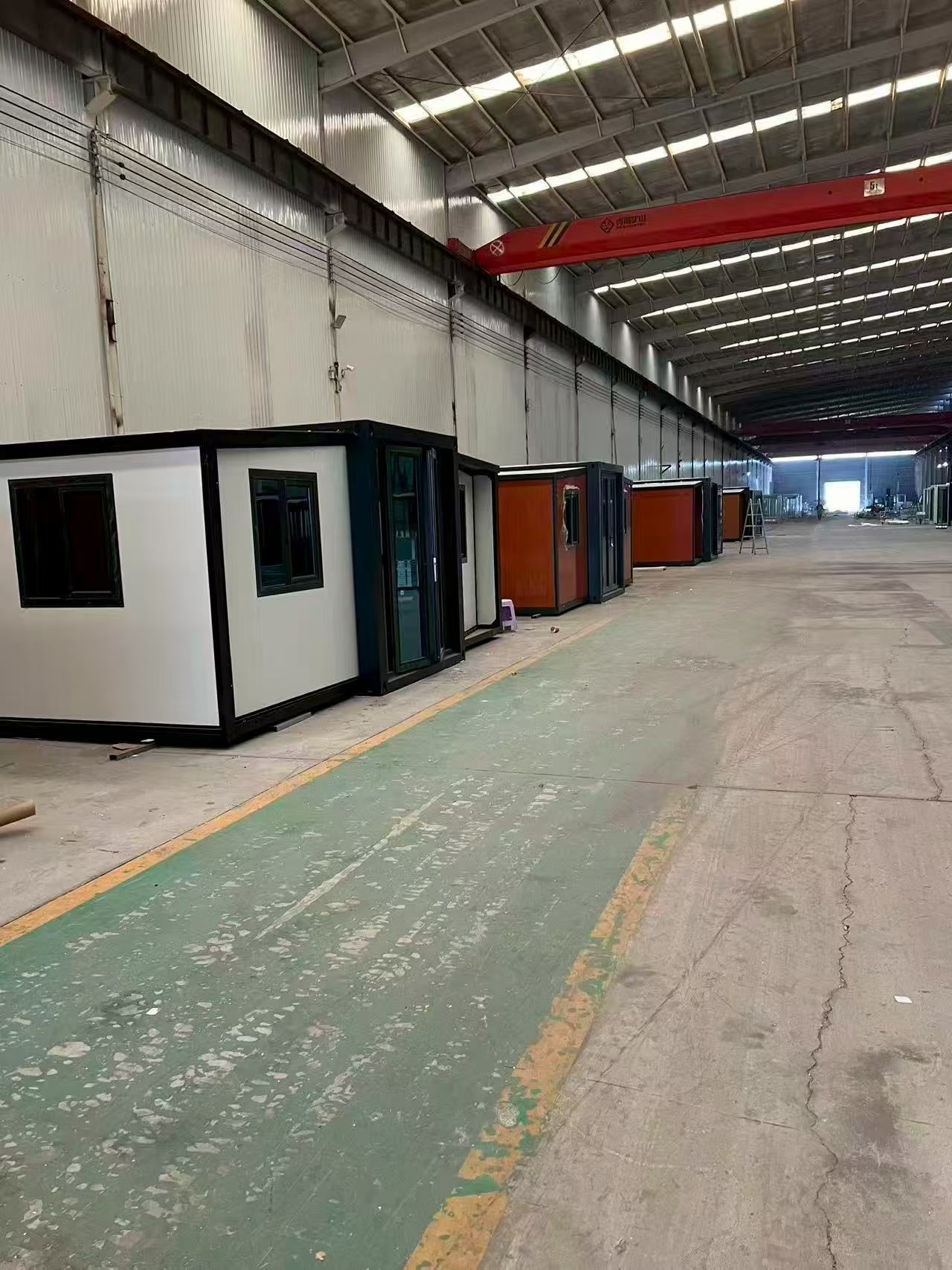
Leading manufacturers leverage industrial prefabrication advantages to deliver consistent quality impossible to achieve through traditional on-site construction. Pre-installation of plumbing systems, electrical wiring, HVAC components, and interior finishes in controlled factory environments eliminates common field construction variables. This approach reduces installation time from weeks to hours while ensuring compliance with safety and building standards.
The integration of A-grade fireproof materials and advanced thermal insulation during factory assembly addresses critical safety requirements. For applications in healthcare, education, or high-density worker housing, these pre-engineered safety features provide essential protection and regulatory compliance.
Product Portfolio Breadth and Specialization
Rapid Deployment Solutions
For projects prioritizing installation speed, quick-assemble container houses deliver exceptional efficiency gains. Standardized components with bolt-and-slot locking systems enable two to three personnel to complete one unit installation in approximately half a day. Cold-bent galvanized steel frameworks provide rust resistance and weather durability while maintaining zero on-site construction waste—a significant advantage for environmentally conscious projects.
The folding container category represents peak logistics optimization. Z-fold designs compress into flat profiles, reducing transport volume by over 70 percent compared to traditional containers. This dramatic space efficiency translates to lower shipping costs, particularly valuable for long-distance transport or export applications. One-minute deployment capability without specialized tools makes these units ideal for rental businesses and emergency response scenarios.
X-fold "wing" folding structures offer zero-installation convenience with sides that fold inward as integrated units. The "open and use" capability eliminates board splicing and bolt tightening entirely, while high-performance waterproofing at folding points ensures durability through repeated folding cycles.
Premium Architectural Solutions
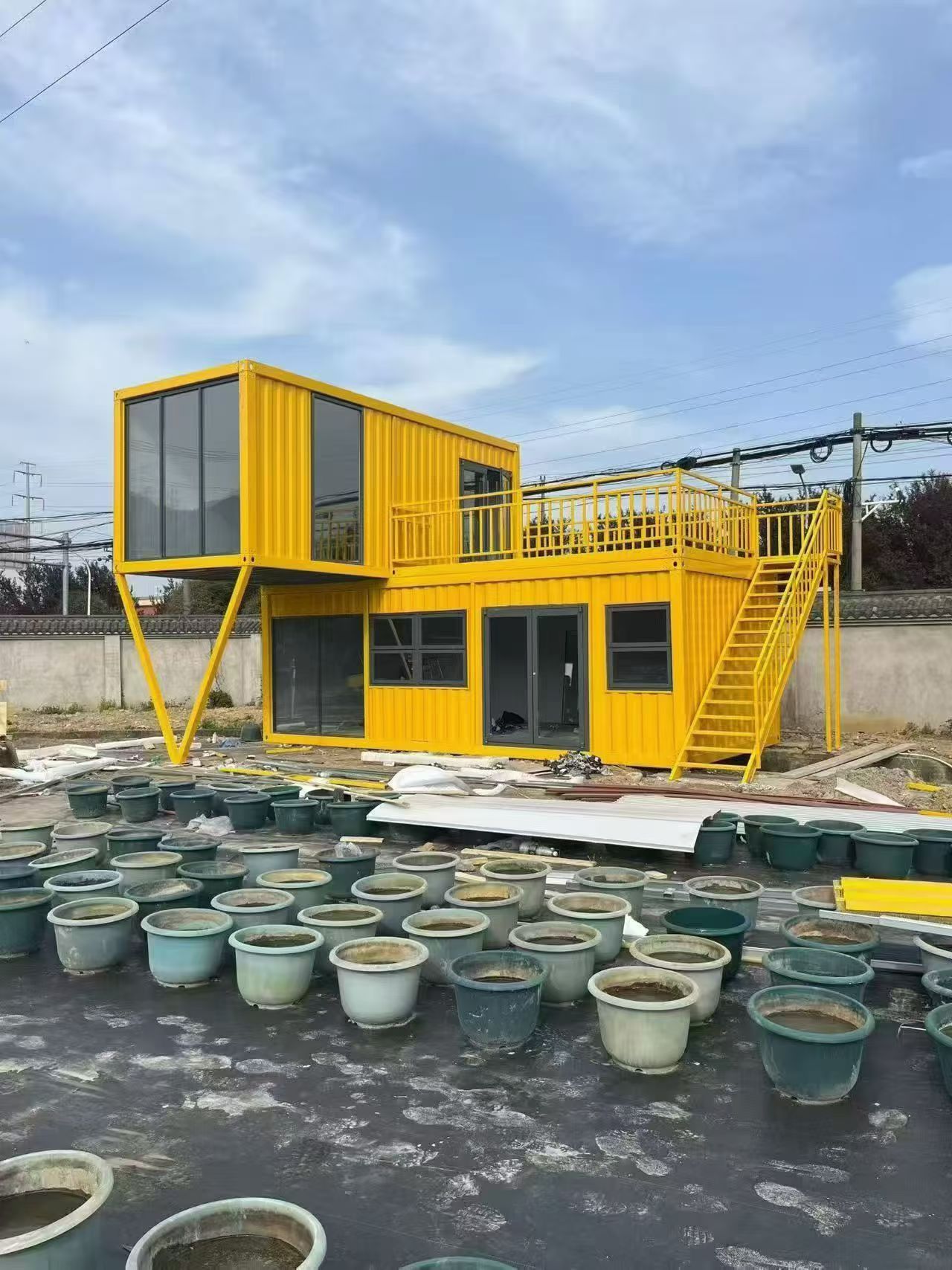
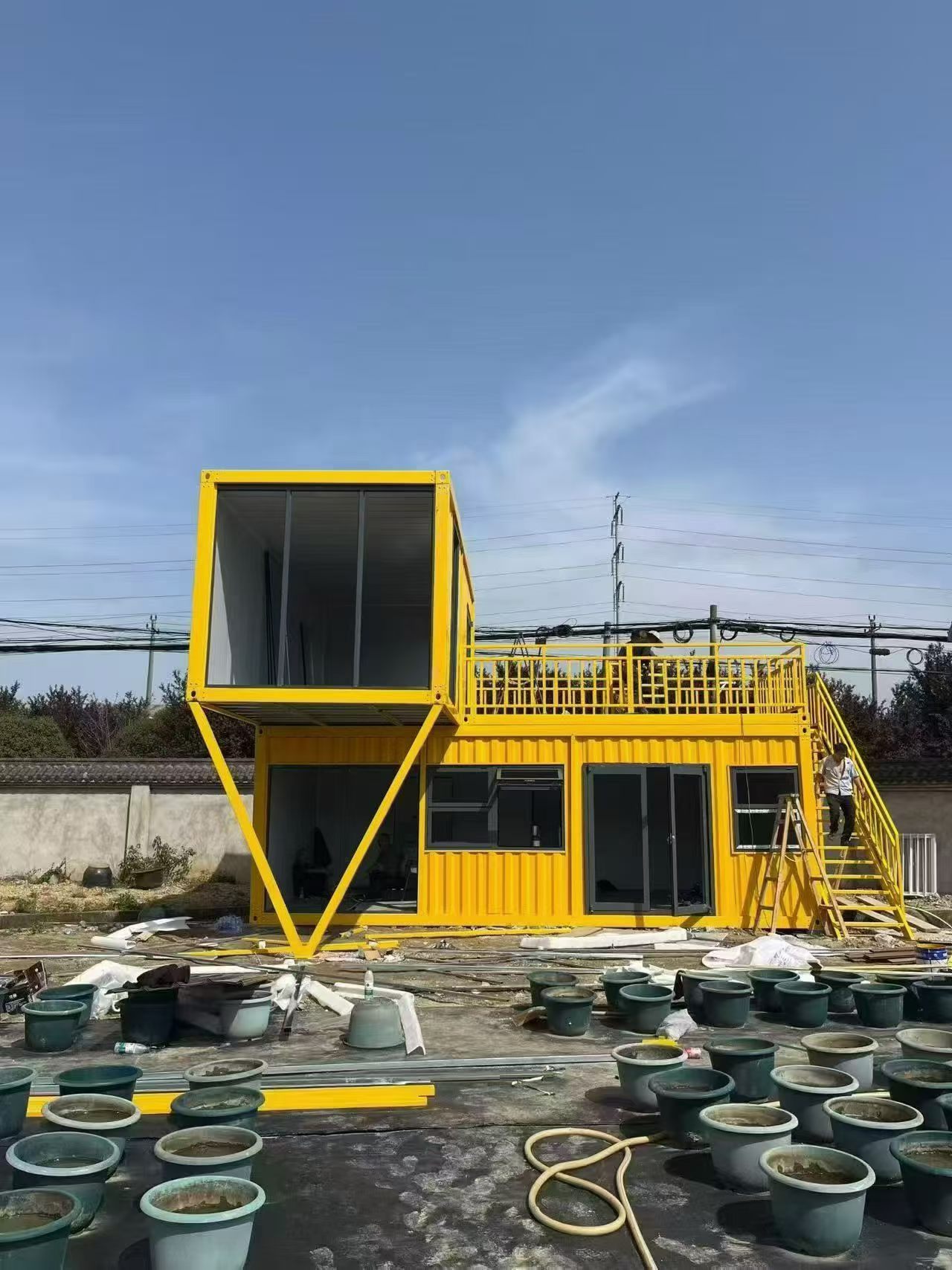
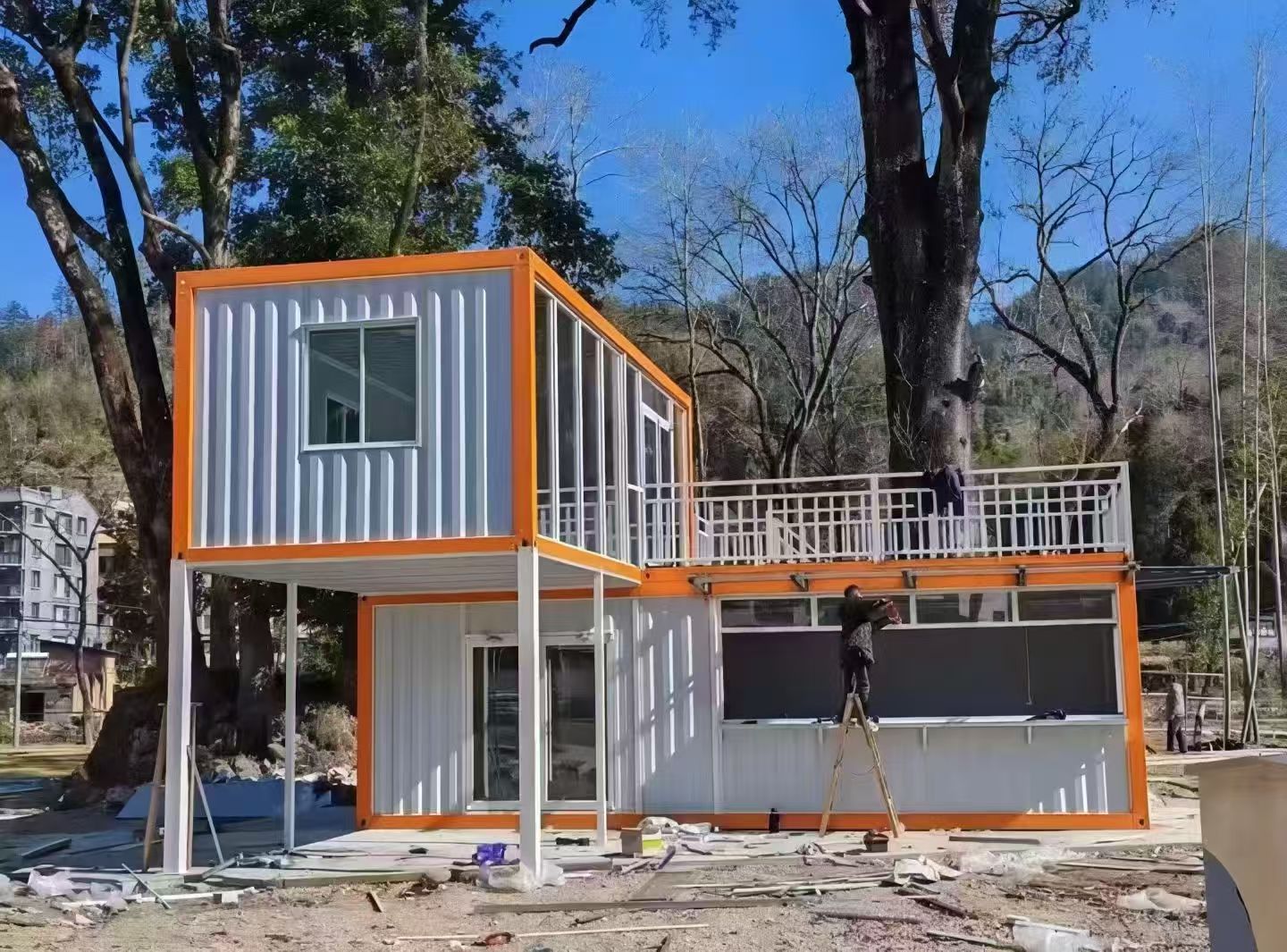
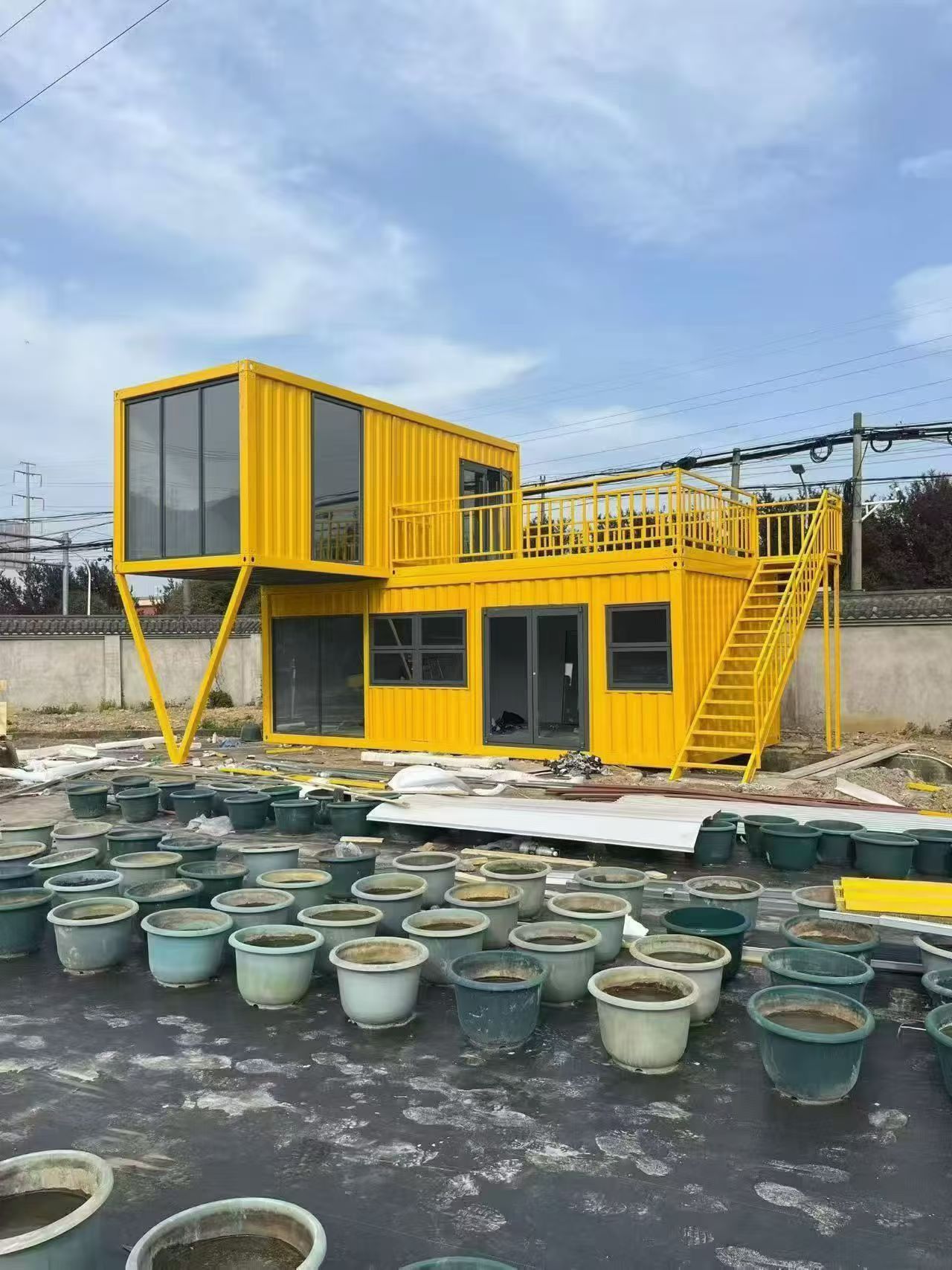
At the higher end of the market, modular container office systems provide architecturally sophisticated alternatives to temporary structures. These systems support complex configurations through Lego-like flexibility—stacking, connecting, and expanding to create multi-story buildings. Decorative facade options including curtain walls, wood grain finishes, and grid patterns enable integration with permanent architectural environments.
Factory-fitted interiors with pre-installed air conditioning, bathroom facilities, and furniture eliminate traditional fit-out timelines. High seismic and wind resistance engineering allows deployment in challenging locations, while multi-story capability supports projects requiring significant square footage within limited footprints.
Specialized Applications
The Apple Cabin concept addresses growing demand for distinctive resort accommodations. Panoramic floor-to-ceiling glass designs create immersive viewing experiences, while curved aesthetic profiles differentiate these units from conventional rectangular containers. Crane-hoistable mobility enables relocation without site damage, providing flexibility for seasonal tourism operations.
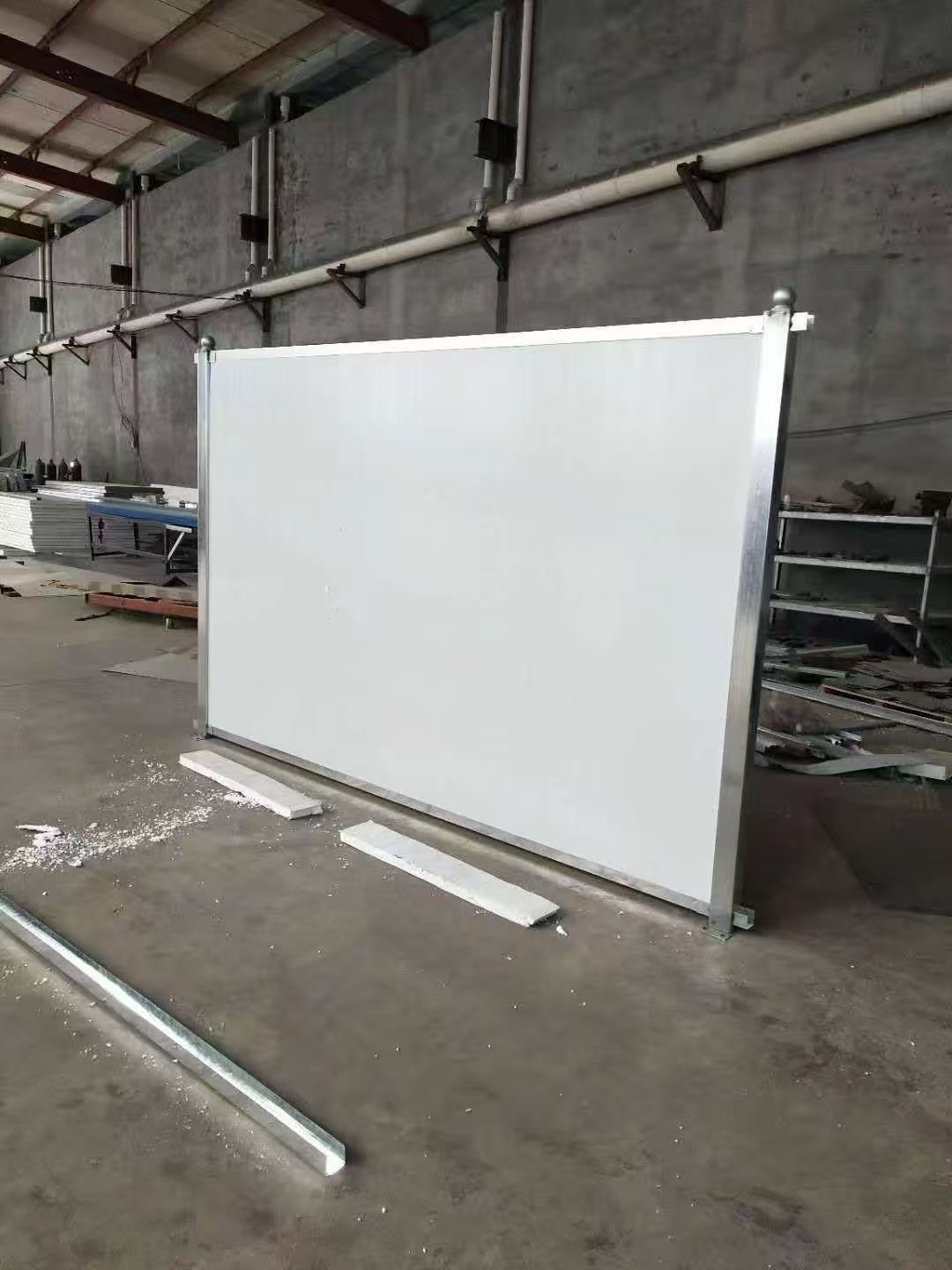
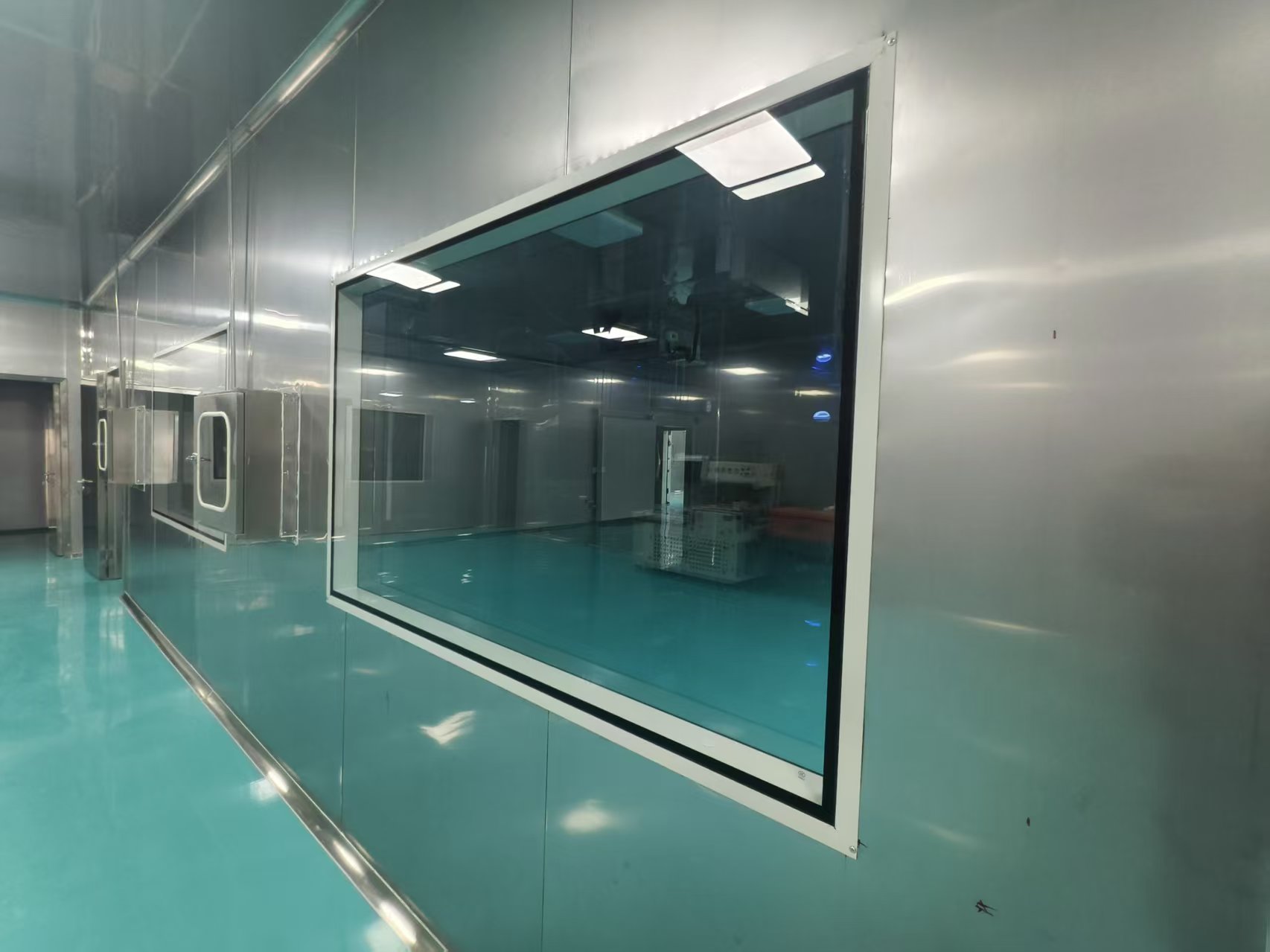
For industrial applications, high-density fireproof wall materials meet stringent cleanroom standards. Dust-free, anti-static, antimicrobial surfaces suit pharmaceutical manufacturing, electronic assembly, and food processing environments. Pluggable installation systems support various core materials—including polyurethane, paper honeycomb, and aluminum honeycomb—allowing specification customization for specific operational requirements.
Market Validation and Industry Coverage
The strongest indicator of manufacturer reliability lies in proven deployment across diverse sectors. Construction and engineering firms represent core customers, requiring durable worker dormitories and project offices that withstand harsh site conditions. Tourism and hospitality operators increasingly adopt premium modular units for boutique hotels, eco-lodges, and camping resorts where aesthetic appeal combines with rapid deployment.
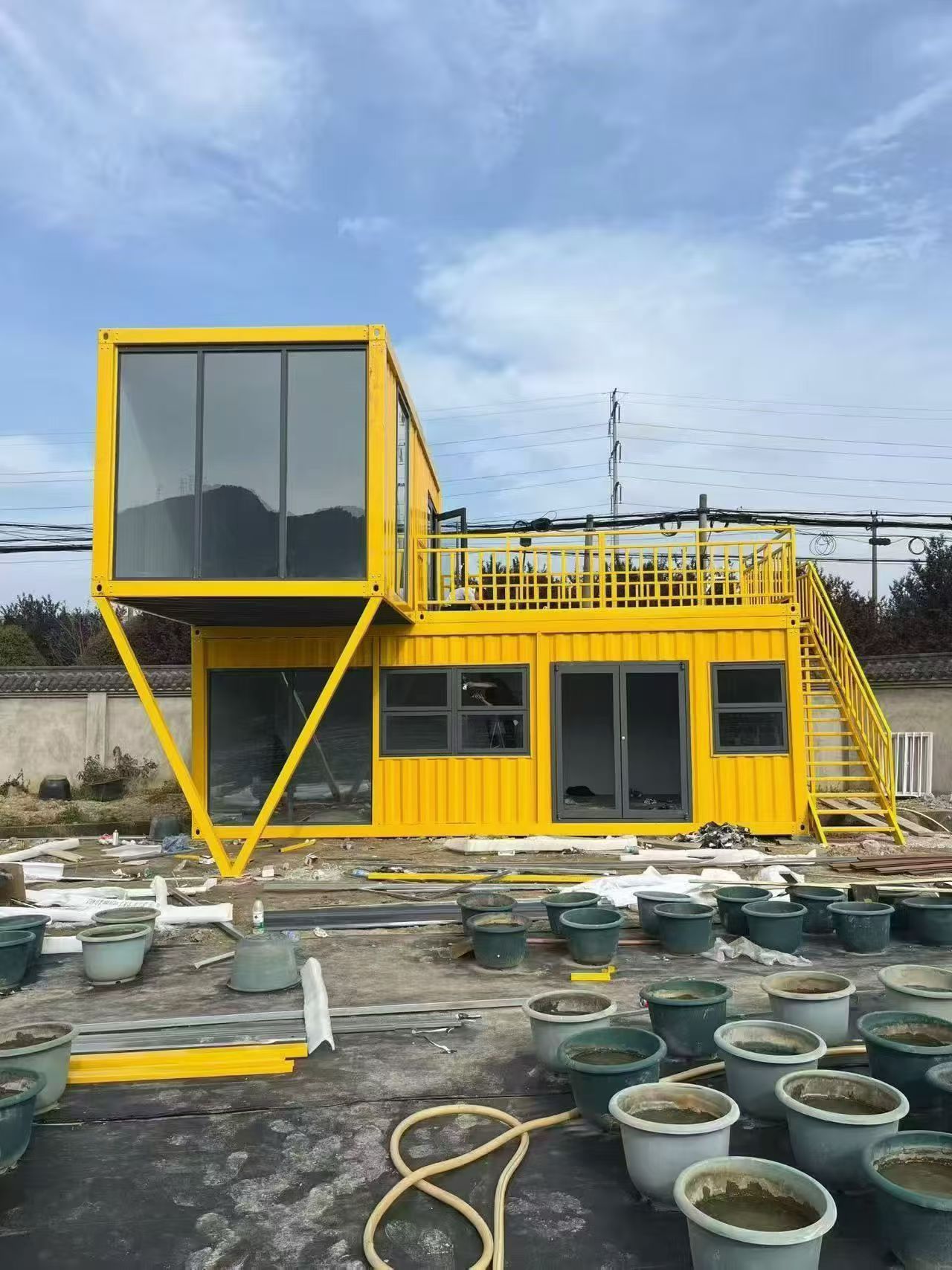
Municipal and government applications demonstrate regulatory confidence. Public service buildings, emergency response facilities, and temporary educational structures require compliance with strict safety codes. Manufacturers successfully serving these clients have proven their ability to meet governmental procurement standards and performance specifications.
Industrial manufacturing customers—particularly electronics, pharmaceutical, and food processing facilities—demand specialized technical capabilities. Cleanroom requirements, fire safety certifications, and contamination control specifications narrow the field to manufacturers with genuine technical depth and quality control systems.
Delivery Models and Customer Support
Leading manufacturers offer flexible procurement approaches tailored to project scale and customer sophistication. Direct purchase options suit end-users with specific requirements, while wholesale volume procurement serves rental equipment companies and large contractors managing multiple sites simultaneously.
Project-based pricing recognizes that specification variations significantly impact value. Material grade selection, insulation performance levels, and interior fit-out completeness all influence total project cost. Transparent custom quoting based on actual requirements builds customer trust and ensures alignment between expectations and delivered products.
The logistics optimization achieved through packaging strategies—flat-pack, foldable, or fully assembled delivery—directly affects project economics. Manufacturers who engineer products specifically for transport efficiency reduce customer costs beyond the unit purchase price. Simplified installation requirements, or zero-installation for advanced folding units, further minimize on-site labor expenses and accelerate project timelines.
Sustainability and Long-Term Value
Environmental considerations increasingly influence purchasing decisions. Dry-construction methods eliminate concrete curing time and reduce water consumption compared to traditional building. High material recyclability and design for disassembly enable structure repurposing at project completion rather than disposal.
The salvage value and reusability of quality modular units provide economic advantages beyond initial deployment. Portable designs with high structural durability support multiple project cycles, spreading capital investment across extended service life. For rental businesses, this redeployment capability directly determines return on investment.
Conclusion
Selecting among container house manufacturers requires evaluating technical engineering capabilities, prefabrication quality systems, product portfolio breadth, and proven market validation. The most capable providers deliver comprehensive solutions extending beyond basic structures to include specialized applications, flexible delivery models, and genuine customer support.
Companies demonstrating expertise across rapid deployment systems, premium architectural solutions, and specialized industrial applications show the versatility demanded by today’s diverse market. Their ability to serve construction, tourism, municipal, commercial, and industrial customers simultaneously validates both technical competence and operational reliability.
For buyers prioritizing quality, innovation, and long-term value, manufacturers with proven factory prefabrication capabilities, proprietary structural designs, and comprehensive service models represent the industry’s most reliable choices. The modular construction sector continues evolving rapidly, but fundamental principles of engineering excellence, quality control, and customer-focused delivery remain constant markers of truly leading manufacturers.
Reviews
There are no reviews yet.